Insights from Zee Palm's Team
We talk about products, app development, and next-generation apps.

Top E-commerce Business Ideas You Must Not Miss Out!
Over the last decade, the landscape of business has entirely transformed due to technological advancements and the rise of e-commerce. The internet has opened up countless opportunities for entrepreneurship. This article discusses some innovative e-commerce business ideas you cannot afford to overlook as we venture further into the e-commerce revolution.
Dropshipping
Dropshipping has risen to prominence as a significant player in the e-commerce arena. In this business model, you sell third party products on your platform, and the supplier directly ships the orders to customers. This eliminates the need for stocking up inventory, making it a relatively low-risk business. If you are a budding entrepreneur with little capital, dropshipping could be your calling.
Note: Success in dropshipping requires thorough research to select the right products and supplier, strategic pricing, and effective marketing.
Subscription Boxes
From beauty products to books and organic foods, the subscription box business is booming. Customers love the convenience and excitement that comes with the monthly delivery of curated items. This business model ensures recurring revenue and customer loyalty. The key here is to lock in a particular niche and provide high-quality products to retain subscribers.
Print On Demand
Print on Demand (POD) is another burgeoning facet of e-commerce. This model allows you to sell custom printed products such as T-shirts, books, and mugs without worrying about inventory or printing equipment. Customers order the designs, and a third-party supplier prints and delivers them. This business offers a unique opportunity for creative entrepreneurs and has a low barrier to entry.
Remember: POD demands a knack for marketing and design trends. The more distinctive your designs, the more likely they are to sell.
Online Courses and Coaching
In the age of information, there is a soaring demand for knowledge. Online courses and coaching have thus become hugely popular. If you have expertise in a particular field, consider sharing it through an online course. This business does not require any physical product, and the cost of setting up is minimal. Still, it can yield significant returns if your course is beneficial and engaging.
Digital Products Store
Another e-commerce business idea to consider is setting up a digital products store. This could include anything from e-books, music, software applications, stock photos, to web elements like themes and plugins. The advantage of selling digital products is that they only need to be created once and can be sold indefinitely without any inventory-related issues.
Tip: As with any other business, offering quality products is crucial. Make sure your digital products add value to customers and satisfy their needs.
Conclusion
E-commerce is setting the stage for the future of business. There are endless possibilities out there awaiting your exploration. The business ideas mentioned above are some of the most promising ones that have gained significant momentum in recent years. As with any business, successful e-commerce requires careful planning, relentless execution, and a dash of creativity. So, why wait? Jump in and start your venture into e-commerce today.

Digital Transformation in Manufacturing: A Comprehensive Overview
In the dynamic landscape of the 21st-century industrial sector, digital transformation in manufacturing stands as a keystone of fundamental change. This comprehensive overview aims to elucidate the concept, to delve into its pivotal role, to illustrate relevant case studies, and to prognosticate future implications.
Understanding Digital Transformation
Digital transformation is the embracement of digital technologies to create or alter business processes, culture, and customer experiences in order to meet the changing business and market requirements. Transcending the traditional role of IT as a business enabler, digital transformation demands a customer-centric approach that knits together a single view of enterprise technology.
"Digital transformation in manufacturing empowers industries to be more agile, efficient, and customer-focused."
Digital Transformation in Manufacturing: Driving Factors
The manufacturing sector is no stranger to change and evolution, but the advent of Industry 4.0 has supercharged this progression. The prime drivers effecting digital transformation in manufacturing include market expectations, regulatory pressures, operational efficiency, and growth opportunities.
The Role of IIoT and AI
The Industrial Internet of Things (IIoT) and Artificial Intelligence (AI) serve as the linchpins for digital transformation in manufacturing. The IIoT brings together machines, advanced analytics, and people at work. AI, on the other hand, underpins the data-driven insights that are powering decision-making in modern manufacturing.
"The intersection of IIoT and AI is forging the path to the smart factories of the future."
Case Studies of Digital Transformation in Manufacturing
From small-scale factories to global conglomerates, industries worldwide are harnessing the power of digital transformation. The next section presents insight into two illustrative case studies where these technologies have been effectively leveraged.
Siemens and MindSphere
Siemens, the manufacturing giant, has been at the forefront of digital transformation in manufacturing with its MindSphere platform. A cloud-based, open IoT operating system, MindSphere connects products, plants, systems, and machines, enabling businesses across industries to harness the wealth of data generated by the Internet of Things (IoT).
GE and Predix
General Electric (GE) is another key torchbearer of digital transformation in manufacturing. Straight off of its digital forge, GE introduced Predix. Predix is a software platform designed specifically for industrial data and analytics, offering a solid foundation for applications that optimize both the world's physical and digital infrastructures.
"These real-world applications of digital technologies showcases the potential of Industry 4.0 and sets the stage for future innovations."
Looking Forward: The Future of Digital Transformation in Manufacturing
The future of digital transformation in manufacturing presents an integrated, collaborative, and highly adaptive environment. Cyber-physical systems, augmented reality, additive manufacturing or 3D printing, and big data analytics are poised to further revolutionize the industry—laying the groundwork for unprecedented growth, productivity, and innovation.
"The journey of digital transformation in manufacturing is just beginning, and its future is bright, promising to broaden the horizon of possibilities in the Industry 4.0 ecosystem."
In conclusion, digital transformation is not just about disruption or technology. It's about value, people, optimisation and the capability to rapidly adapt when such is required through an intelligent use of technologies and information. As we move ahead into the future, digital transformation will continue to remain a core component of manufacturing, gearing the industry to usher in the next stage of evolution.

Latest Software Development Outsourcing Trends: What to Expect in 2024
As we tread forward into the year 2024, we have witnessed a sea change in digital transformation and software development processes. One aspect that is starkly stood out in the past few years, and continues to do so in the future, is outsourcing.
Defining Software Development Outsourcing
Software development outsourcing refers to when a company delegates its software development tasks or projects to a third-party business specializing in the field. These could be located locally or internationally. This approach has gained popularity as it helps businesses acquire skilled a workforce, save costs, and focus on their core operations.
Emerging Trends for 2024
In 2024, the software outsourcing sector will continue to evolve significantly. Let's delve deeper into some of the emergent trends.
Increased Cloud Computing Adoption
In 2024, businesses are likely to increasingly adopt cloud services. This is driven by the need for more cost-efficient and flexible software solutions. Cloud technology offers vast storage facilities, better security, and seamless access to resources, which enables businesses to operate more efficiently. Thus, outsourcing companies that offer cloud-based solutions are projected to be in high demand.
Robotic Process Automation (RPA)
Robotic Process Automation (RPA) is an emerging trend that automates routine tasks, making processes faster and more efficient. This offers businesses increased accuracy and cost-savings, leading to a higher preference for outsourcing vendors that integrate RPA into their offerings.
Agile and DevOps
We are expected to see a surge in the adoption of Agile and DevOps methodologies in outsourcing. These approaches offer more frequent software releases, improving the speed and quality of delivery. They encourage collaboration between development and operations teams, thereby offering businesses more visibility and control over projects. Outsourcing vendors that incorporate Agile and DevOps are predicted to gain traction.
Security-Focused Solutions
As cyber threats grow increasingly sophisticated, businesses will continue to prioritize secure software solutions. Outsourcing vendors offering robust security protocols and measures will likely be more sought-after. Regular security audits and adhering to stringent security standards will become a key element for outsourcing businesses.
Data-Driven Approach
Outsourcing providers are anticipated to increasingly resort to a data-driven approach. Utilizing business intelligence and analytics tools, businesses can predict trends, make informed decisions, and improve their services. Those outsourcing vendors who can implement and navigate these tools are expected to be in high demand.
Conclusion
Software development outsourcing, undeniably, is a game-changer for businesses in the digital era, especially with the trends anticipated in 2024. Embracing these trends will help businesses stay relevant, competitive, and deliver high-value to their customers. All these trends signify one common benefit - better, faster, and more secure software solutions.
As 2024 approaches, businesses should consider partnering with software development outsourcing vendors who are well-equipped with these trends. Doing so will not only elevate their digital transformation journey but also offer them a competitive edge amid the rapidly changing tech-space.

E-commerce Web Development
E-commerce Web Development
Electronic commerce, also known as E-commerce, refers to buying and selling of goods or services using the Internet. The advancement in technology has transformed the way businesses operate, and E-commerce is at the forefront of this revolution. Developing a robust E-commerce website is a critical first step in the online commerce journey, and this article discusses the key aspects of E-commerce web development.
Framework and Technology
The choice of technology stack and appropriate framework is pivotal in e-commerce web development process. Some of the popular frameworks include Shopify, Magento, and WooCommerce. Determining the right framework is dependent on factors such as the business model, budget, and expected traffic.
Design and User Interface
Good design is crucial for e-commerce websites. Aim for a clean design that clearly showcases your products and guides customers through the buying process seamlessly. It's critical to employ user-friendly interface designs to maximize the user experience. Hence, the website should be aesthetically pleasing, easy to navigate, and responsive for mobile users.
"Design is a way of life, a point of view. It involves the whole complex of visual communications: talent, creative ability, manual skill, and technical knowledge. Aesthetics and economics, technology and psychology are intrinsically related to the process." - Paul Rand
Security
Security is another vital consideration in e-commerce web development as it involves financial transactions. SSL encryption should be employed to secure customers' financial information. Two-step verification, robust password policies and other security measures further enhance the safety of e-commerce transactions.
SEO Friendly
Developing an SEO friendly E-commerce website is a necessity in the current competitive digital landscape. The website must be designed in a way that's easily discoverable by search engines, leading to greater visibility and subsequent traffic.
Performance Optimization
Website loading speed is critical in the online buying process. Slow loading time can lead to potential loss of customers and lower search engine ranking. Proper image optimization, effective coding practices, and use of content delivery networks (CDNs) can improve site performance.
Mobile Optimized
With the increasing number of mobile users, developing a mobile-optimized E-commerce website is essential. This means the site should be viewable and functional across various mobile devices and screen sizes. This will not only improve user experience but also help in gaining a higher rank in search engine results.
"The future of mobile is the future of online. It is how people access online content now." - David Murphy
Analytics Integration
Analytics integration is crucial for tracking the performance of the E-commerce website. Tools such as Google Analytics offer insights into visitor behavior, conversion rates, and customer acquisition channels. This data can help refine marketing strategies and improve business performance.
Conclusion
In conclusion, E-commerce web development is about integrating the right functionality, creating a great user experience and ensuring the website is optimized for conversions. It involves a combination of strategic planning, design and technical skills. As E-commerce continues to grow, businesses that adopt the right web development strategies are more likely to succeed in the online marketplace.

Digital Transformation Strategies for Modernizing Your Business
As technology continues to evolve at a rapid pace, it becomes increasingly clear that businesses need to keep up with the digital revolution. This involves transforming their traditional operations into a digital-first approach, known as Digital Transformation. It is now imperative for stability and growth in a rapidly changing environment.
Understanding Digital Transformation
"Digital Transformation is the integration of digital technologies into all areas of a business, resulting in fundamental changes to how businesses operate and deliver value to their customers."
Successfully embracing digital transformation can provide businesses with several benefits such as increased efficiency, customer satisfaction, and revenue growth. Here are some strategies to incorporate digital transformations in your business.
1. Develop a Digital Transformation strategy
Before implementing digital transformations, it's essential to have a clear strategy. This strategy should outline key digital initiatives, their expected outcomes, and a timeline for implementation.
2. Business Process Automation
Redefining the business processes through automation helps reduce manual efforts, errors, and costs. It drives efficiency and allows for real-time decision making.
3. Enhancing Customer Experience
Customer experience is an integral part of a successful digital transformation strategy. Incorporating technologies like AI, chatbots, predictive analytics can significantly enhance customer experience by providing personalized services quickly and efficiently.
4. Embrace Cloud Services
"Cloud technology has become a game-changer in fueling digital transformation."
Adopting cloud services enhances data accessibility, scalability, and security, thus allowing businesses to quickly respond to changing business needs.
5. Digital Marketing
In a digital era, businesses need to make a shift from traditional marketing strategies to digital marketing strategies to effectively reach out to their target audience. These strategies include everything from social media marketing to search engine optimization and email marketing.
6. Cyber Security
As businesses transition to digital platforms, cybersecurity becomes significantly important. Hackers are always looking for vulnerable systems to exploit, so it's crucial to have robust security systems in place.
7. Data Informed Decision Making
As businesses embrace digital technologies, they generate a lot of data. This data, when analyzed correctly, can provide insights that can drive decision-making and strategy development.
Concluding Thoughts
"Digital transformation isn't a one-time project but an ongoing process of adapting to an ever-evolving digital landscape."
Adopting digital transformation is not an option but a necessity in today's digital era. Businesses need to continually evolve their digital transformation strategies to stay relevant and competitive. With the right approach, they can utilize digital transformation to establish operational excellence, increase customer satisfaction, and ultimately lead to business growth.

Web Application Security Best Practices: Ensuring a Secure Online Environment
As our digital footprint expands, so does the demand for robust web application security. Web applications represent a significant vulnerability point for most businesses today, with threats ranging from identity theft and data breaches to ransomware attacks.
"Knowing is not enough; we must apply. Willing is not enough; we must do." - Johann Wolfgang von Goethe
Indeed, understanding the vulnerabilities is the first step towards safeguarding your operations, but implementation speaks louder than words. In this article, we delve into the best practices for securing web applications, helping you build a secure and resilient online environment.
Understanding Web Application Security
Web application security involves the measures taken to protect web applications from potential threats that can exploit software bugs and possibly compromise the security of the systems. It seeks to address the vulnerabilities that may exist in your security protocols while also securing your data.
Best Practices for Web Application Security
Let us delve into the key strategies that you can implement to ensure the security of your web applications.
1. Input Validation
Input validation is integral to web application security. It essentially involves battling unwanted user input that could potentially harbor malicious intent. Unvalidated or improperly validated inputs can lead to attacks such as SQL Injection, Cross-site Scripting (XSS), and command injection, among others.
2. Keeping software up to date
Another significant and oft-overlooked aspect is keeping your systems up to date. If your software, be it operating systems, servers, or content management systems, is outdated, you are at a higher risk of an attack.
3. Implementing HTTPS
"Privacy - like eating and breathing - is one of life's basic requirements." - Katherine Neville
When transmitting personal information across networks, HTTPS provides an additional security layer to prevent eavesdropping. Websites that have not deployed HTTPS are extremely vulnerable and pose a significant risk to user data.
4. User Access Control
It's crucial to restrict the access rights of people using your network. By implementing stringent access controls, you can dictate what level of access a person has, thereby limiting the potential damage they could inflict should they turn rogue or their account gets compromised.
Next Steps: Implementing the Best Practices
Securing your web application isn't a singular event but an ongoing process. Prioritize the updates and continuously monitor your application for possible weaknesses. After all, a fortress is only as strong as its weakest point.
"The security of any environment is a journey, not a destination." - Anonymous
The best practices outlined in this article offer a starting point. However, it's crucial to continue learning about emerging threats and stay up-to-date with the latest security trends and enhancements. Ensuring a secure online environment requires constant vigilance, resilience, and persistence, but it’s an investment that pays off in the long run.
Conclusion
In the battle against cyber threats, ignorance is not bliss. Understand your landscape, implement the necessary measures, and stay on top of new threats and trends. That's the key to ensuring a secure online environment.
"You don't drown by falling into water; you only drown if you stay there." - Zig Ziglar
Your venture into web application security may seem daunting initially, but remember: the goal is not to create an impenetrable fortress overnight but to steadily build your defenses one block at a time. Every step you take is a step away from potential threats and a step closer to a secure online environment.
AWS vs. Azure vs. Google Cloud Platform Comparison: Navigating Cloud Solutions
As businesses of all sizes continue to move into the digital era, it's become imperative to leverage the power of cloud computing. Cloud solutions offer flexible and scalable configurations that can vastly improve operational efficiency. Among the industry leaders in cloud solutions, Amazon Web Services (AWS), Microsoft Azure, and Google Cloud Platform (GCP) consistently dominate the conversation. In this article, we will dive into a comprehensive comparison of these three titan platforms, providing insights to help you make an informed decision on which service suits your needs the best.
Amazon Web Services (AWS)
AWS is the oldest and most mature of the three platforms. It offers a vast array of services spanning a wide range of infrastructure services like computing power, storage options, networking, and databases, as well as emerging technologies such as machine learning and artificial intelligence, data lakes and analytics, and Internet of Things.
This variety in cloud-based services makes AWS a solid choice for all types of businesses, from startups to large enterprises.
Microsoft Azure
As Microsoft's foray into the cloud, Azure offers a suite of cloud services, including those for computing, analytics, storage, and networking. Its integration with other Microsoft products, like the Windows Server, Windows Development tools, and Active Directory, makes it a popular choice for enterprises heavily invested in other Microsoft products.
Its unison with Windows and familiarity amongst developers gives Microsoft Azure an edge in the cloud computing race.
Google Cloud Platform (GCP)
GCP, being a part of the Google Cloud, offers services in all major spheres including computing, networking, machine learning, and data analytics. Google Cloud's key feature is its deep learning capabilities. It provides solutions for AI beginners, as well as advanced analytics and machine learning tools for the seasoned professionals.
GCP has made long strides in the arena of cloud computing and promises innovation and technology advancement geared towards enterprise requirements.
Comparing Areas
Market Share and Customers
AWS, having been around the longest, enjoys a dominant market share and a diverse range of clients including notable names like Netflix, Airbnb, and Unilever. Azure comes second in market share, benefitting from seamless compatibility with existing Microsoft customers. GCP, though holds a smaller market share, serves high-profile clients, such as Spotify, Snap, HSBC and includes the use of Gmail and YouTube.
Computing Capabilities
All three platforms offer a variety of computing capabilities. AWS's EC2 offers flexible and scalable computing with numerous instance types. Azure's Virtual Machine complements the Windows Server, offering extensive support for Microsoft's software. GCP's Compute Engine delivers IaaS and PaaS services and supports Docker containers and Compute instances.
Pricing Models
AWS and Azure offer pricing on a pay-as-you-go basis, but AWS charges per hour, while Azure charges per minute, providing a more exact pricing model. GCP also offers discounts for long-term use, making it an attractive option for enterprises looking for cost-effective solutions.
Each platform provides different pricing models and discount options, making it important for businesses to carefully assess their cloud computing needs and budget.
Conclusion:
In summary, AWS, Azure, and GCP all provide robust and flexible cloud solutions. The decision to choose one will depend on the specific needs of your business. It’s recommended to start with a comprehensive evaluation of your current systems and future needs to select the right platform that will be the most beneficial for your business.

The Future of Automation: 6 RPA Tools Shaping the Landscape
In the world where technology dominates every aspect of our lives, automation stands out as one of the most influential and progressive aspects. Robotic Process Automation, often referred to as RPA, has been impacting various industries by streamlining operations, optimizing resource utilization, and driving overall productivity.
This article focuses on the future of automation by highlighting six RPA tools that are shaping the landscape for businesses. These digital workers are not merely tools but rather a strategic asset driving business transformation.
Understanding RPA
Before diving into the array of tools, it’s pertinent to understand what RPA stands for. In short, Robotic Process Automation is software technology developed with sophisticated algorithms and AI designed for business process automation. RPA robots can mimic human interactions on computer systems, enabling businesses to cut costs significantly and save thousands of hours of mundane data entry and processing tasks.
1. UiPath
First on the list is UiPath, a leading RPA tool providing a comprehensive and flexible platform for automation. Its user-friendly interface makes it simple for companies to chart different processes and incorporate bots. A standout feature of Uipath is its durability and adaptability, which allows it to fit beautifully into any business model.
2. Blue Prism
Blue Prism is another popular choice for businesses focusing on RPA. Known for its strong security measures and extensive automation capabilities, Blue Prism can help organizations automate complex processes effectively. This tool also boasts powerful analytics capabilities that can present valuable insights for decision making.
3. Automation Anywhere
Automation Anywhere is a cloud-native platform ideal for companies looking for intelligent automation solutions. It offers a low-code platform that empowers businesses to build bots to automate their processes with ease. The platform boasts of cognitive capabilities that leverage AI and Machine Learning to process unstructured data and automate complex tasks.
4. WorkFusion
WorkFusion has been gaining popularity because of its ability to offer scalable, automated business processes. It can handle high-volume, routine tasks while providing insights that can help a business make data-driven decisions.
5. Pega
Pega Systems offers robust RPA tools that can seamlessly automate manual, rule-based tasks. A feature that sets Pega apart from its competitors is its case lifecycle management feature, which supports end-to-end automation of business processes.
6. Nintex
Nintex offers advanced workflow capabilities with its easy-to-use interface. Its unique drag-and-drop design streamlines the process of creating automation workflows, making it accessible for businesses of all sizes.
The Future of Automation
Considering the growing trends in AI and machine learning, automation is destined to become more intelligent, efficient, and integrated into business operations across sectors. RPA tools will continue to evolve, transforming not just simple tasks, but complex processes that require decision making and problem-solving skills.
“As automation technology continues to evolve, the future of RPA appears promising with the rise of hyper-automation, an approach involving the use of a combination of RPA, AI, machine learning, and other advanced technologies.”
The future of automation, combined with the right mix of advanced technologies, is poised to catalyze unprecedented enhancements in productivity, accuracy, cost-efficiency, and more.

Medical App Features: How to Choose
Medical applications have transformed health care accessibility by bringing health services to the fingertips of consumers. But with an array of apps on the market, how does one filter through and choose the correct one? This decision largely depends on understanding the crucial features these apps can offer.
1. User-Friendly Interface
A medical app should be easy to use for both health care providers and patients. All the controls should be intuitive, and navigation should be simple and effortless. This takes away the hindrance of a steep learning curve, potentially affecting the adoption rate of the app.
"Choosing an app with a user-friendly interface guarantees a seamless user experience, promoting app utilization."
2. Data Security
Data security should be paramount due to the sensitive nature of medical information. Check for features that ensure the app adheres to both local and international regulations regarding the security and privacy of patient data. This can include encryption, secured logins, and measures to prevent unauthorized data access.
"For the confidentiality and privacy of patient data, aim for apps boasting high-level data security."
3. Interoperability
Interoperability refers to the ability of the medical app to function fully with other systems, such as electronic health records and medical billing software. In our increasingly interconnected world, an app's inability to "communicate" with other systems could be viewed as a significant drawback.
"To optimize patient care and the efficiency of your practice, go for apps that offer optimal interoperability."
4. Multidisciplinary Features
A variety of features that cater to different branches of medicine makes an app versatile and more useful to a broader audience. Look for features like e-prescription, appointment scheduling, patient monitoring, health records management, and consultation features.
"A multidisciplinary app provides a comprehensive solution to your health care needs."
5. Telemedicine Features
With the advent of the digital age, the demand for telemedicine has skyrocketed. Telemedicine features such as video consultations, remote patient monitoring, and electronic prescriptions can boost the value of a medical app tremendously.
"Within a global pandemic and beyond, medical apps providing telehealth features are of great advantage."
6. User Ratings and Reviews
Ensure to check the app’s performance from existing users. The ratings and reviews available in the app store can shed light on the app's performance, usefulness, and reliability. This firsthand information is vital for making an informed decision.
"User reviews often provide truthful insights, which could be pivotal in app selection."
Conclusion
The surge of medical apps can seem overwhelming, but understanding the core features to look out for simplifies the selection process immensely. By focusing on user-interface, data security, interoperability, multidisciplinary features, telemedicine amenities, and user reviews, individuals can select an app that most proficiently serves their medical needs.

How to Design Top-Notch Websites
The art of creating outstanding websites is a multi-faceted process that requires a combination of creative design, strategic layout, and intuitive navigation. This guide will take you through the core ideas and practical tips to ensure that your website designs are not just visually appealing but are also user-friendly and strategically structured.
Understanding the User's Needs
Your first focus should always be the user. Understanding the needs and behaviors of your users will guide you in designing a website that serves them best. Conduct user persona research, analyze your target demographics, and run usability testing to gather valuable data that will inform your design decisions.
Plan Your Layout Strategically
Impressions are made within seconds, so it is crucial to have a webpage layout that catches the eye and keeps users engaged. Combine useful and compelling content with appropriate visuals and design elements. The layout should be structured in a way that intuitively guides the user through your site, without causing confusion or frustration.
“Design is not just what it looks like and feels like. Design is how it works.” – Steve Jobs
Utilizing Responsive Design
With the wide range of devices used to access the web today, websites need to display appropriately on every device. Utilize responsive design to ensure a seamless browsing experience for all users, no matter whether they're on a desktop, laptop, tablet, or phone.
Choosing the Right Colors and Fonts
Color and fonts play a massive role in the overall aesthetics of a website. Use a color scheme that reflects your brand's identity, and choose fonts that are easy to read across different devices. Remember, colors and fonts should complement each other, not fight for attention.
Navigation is Key
The ease of use is a significant factor in website user experience. An effective navigation design facilitates a smooth user journey, makes the site user-friendly, and helps in boosting conversion rates. Keep menus visible, keep options simple, and organize your site hierarchy logically.
Optimizing your Website Loading Speed
Slow-loading websites frustrate users, impacting your website’s bounce rate. Ensure an enchanting user experience by optimizing your HTML codes, reducing image sizes, and using a quality hosting provider.
Implementing SEO Techniques
It's not enough to design a visually pleasing website, it's equally essential for your website to be found online. Implement essential on-page SEO techniques, such as keyword research, meta tags, and quality content to make sure your website ranks well on search engines.
Final thoughts
Website design is a grand combination of art and science. It is about creating an intuitive, aesthetically pleasing, and engaging platform that speaks to your audience. Just remember to keep your website simple, relevant, and user-friendly and keep testing regularly so that you can track your progress and make improvements over time.
“Great design is eliminating all unnecessary details.” – Minh D. Tran
How to Create a High-Performance Mobile App in Quick Time: Expert Tips
Introduction
Creating a high-performance mobile app quickly requires a multidisciplinary approach, meticulous planning, and the effective employment of modern technologies. This article aims to equip you with expert tips on how you can accomplish this.
Understanding Your Goals
The first step in creating a mobile app quickly and efficiently lies in outlining your business objectives, target audience, and expected app functionalities. A clear understanding of these critical aspects can help you prioritize tasks effectively and streamline your app development process.
“Our goals can only be reached through a vehicle of a plan, in which we must fervently believe, and upon which we must vigorously act. There is no other route to success.” – Pablo Picasso
Choose the Right Development Method
Deciding on the most suitable development methodology for your mobile app is fundamental. Native apps offer high performance but require more time due to separate coding for different platforms. On the flip side, hybrid or cross-platform apps can be developed faster using a single code base, but may compromise on performance and user experience.
“The best way to predict the future is to invent it.” – Alan Kay
Lean Development and Minimum Viable Product (MVP)
To save time in the initial stages of app development, adopt the Lean Development approach. Start with a Minimum Viable Product (MVP) – a basic version of your app with minimal features. This quickly has your app in the market, garnering user feedback that can be used for further enhancements.
Use of Modern Technologies
Modern technologies and software development kits (SDKs) speed up the mobile app development process. React Native, Flutter, Xamarin, and others allow swift cross-platform mobile app development.
“Innovation is the ability to see change as an opportunity – not a threat.” – Steve Jobs
Automated Testing
Automated testing is another time-saving method during app development. Performing simultaneous testing while developing can help identify and rectify errors, significantly improving app quality and performance, and reducing the time to market.
Outsource If Necessary
If you're short on time and resources, outsourcing to a reliable mobile app development company could be a viable option. They have the necessary expertise and experience to deliver high-quality applications in a short span of time.
Conclusion
Creating a high-performance mobile app quickly is achievable with the right planning, efficient utilization of technologies, and adaptive strategies like Lean Development and MVP. Finding the balance between speed, quality, and efficiency is key to successful app development in quick time.
“The secret to getting ahead is getting started” – Mark Twain
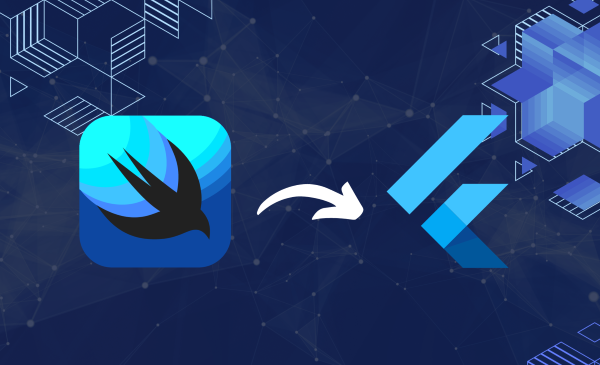
What SwiftUI Means for Flutter
With the advent of SwiftUI, a declarative UI toolkit from Apple, the landscape of cross-platform app development has experienced a significant shift. Swift UI, which essentially simplifies the process of creating beautiful and seamless UIs for all Apple platforms, has raised questions on the future of Flutter, Google's very own UI toolkit. This article aims to explore the implications of SwiftUI on the growth and existence of Flutter.
Understanding SwiftUI and Flutter
Before delving into the interplay between SwiftUI and Flutter, it's important to understand their individuality. SwiftUI, introduced at the 2019 WWDC, is used for creating interactive and engaging UIs for any Apple device using just one set of tools and APIs. Written in Swift, it uses a declarative syntax, which means you just need to state what you want in your UI, and SwiftUI ensures it takes the shape.
Note: SwiftUI's adoption is a reflection of Apple's extensive shift towards a declarative user interface.
On the other hand, Google's Flutter, a free and open-source UI toolkit, is for crafting high-quality native experiences on iOS and Android from a single codebase. Flutter, written in Dart, has been around since 2017, and has managed to create an impressive reputation.
Note: Unlike SwiftUI, Flutter is not confined to the ecosystem of a single company, i.e., it can work outside of Android and iOS.
Impact of SwiftUI on Flutter
The introduction of SwiftUI poses a different set of opportunities and challenges for Flutter. For one, SwiftUI's design and functionality could lead to a higher adoption rate amongst Apple developers, potentially eating into the user base of Flutter. Developers who work exclusively with Apple ecosystems may prefer to adopt SwiftUI over Flutter because of better integration and support within the Apple ecosystem.
Note: A single SwiftUI codebase can be used across Apple devices like iPhone, iPad, Mac, Apple Watch, and Apple TV.
However, SwiftUI operates within the Apple ecosystem exclusively, limiting its direct threat to Flutter. Flutter’s strength lies in its versatility—it’s cross-platform and can be used not only for iOS and Android but also for web and desktop applications. This versatility coupled with a robust tooling system and seamless performance could well hold its ground amidst SwiftUI's increasing popularity.
Note: Flutter uses the Dart programming language, which though not as popular as Swift, has seen a steady rise in its popularity because of Flutter.
Conclusion
The advent of SwiftUI, though seemingly a threat to the Flutter community, is not an obliteration. On the contrary, it might lead to the growth and enhancement of Flutter as SwiftUI's workings may influence Flutter’s future developments. The world of software development thrives on diversity and innovation, and both SwiftUI and Flutter contribute to this diversity.
Note: Both SwiftUI and Flutter hold their unique positions in the software development landscape and will continue to do so, shaping the way for future developments.

Latest Technologies Transforming Software Development in 2024
In an era marked by rapid advances in automation and artificial intelligence, new technologies continue to bring changes to the way we use software. The software development industry, in particular, is experiencing a transformation due to the emergence of groundbreaking technologies.
Artificial Intelligence and Machine Learning
Artificial intelligence (AI) and machine learning (ML) are undoubtedly leading the revolution. They are augmenting and accelerating every phase of the software development lifecycle, from initial planning to coding to testing and maintenance. AI is being used to write code, automate testing, and bug fixing, thereby improving software quality and developer productivity.
For instance, AI-powered tools such as Kite and DeepCode offer real-time code suggestions, helping both novice programmers and experienced coders write better code more efficiently.
Quantum Computing
The dawn of quantum computing is set to make a significant impact in the field of software development. These superior systems will accelerate compute-intensive applications and enhance the performance of algorithms. Quantum computing will contribute to highly efficient data analysis, aiding in the prediction and modeling of complex phenomena like climate patterns and drug interactions.
Low-Code/No-Code Development Platforms
Low-code/no-code platforms are proliferating as they empower non-programmers to create applications without needing to know how to code. These platforms offer visual interfaces where users can use pre-built components to create applications. It guarantees faster app development and deployment, enabling businesses to stay flexible and adapt quickly to market changes.
Companies like Microsoft with their Power Platform and Google Cloud's AppSheet are providing tools to facilitate low-code/no-code building of enterprise-level solutions.
Cybersecurity
As cyber threats grow in complexity, the world requires advanced cybersecurity technologies better than ever. In response, the software industry is innovating in advanced authentication techniques, AI-driven threat detection, blockchain for data security, and privacy-focused software designs. Recent advancements in DevSecOps also emphasize the integration of security during the software development process.
Blockchain Technology
Blockchain technology has extended its reach beyond cryptocurrencies and is now transforming the software industry. By offering a decentralized and secure framework for data storage and transactions, blockchain technology can increase the reliability, security, and transparency of software systems.
Smart contracts, in particular, are revolutionizing how agreements are done in digital platforms by programming contractual agreements into the blockchain.
Edge Computing
As the demand for real-time performance and data privacy grows, edge computing emerges to push computing power to the 'edges' of the network, closest to data's source. This technology addresses the latency issues of cloud computing while enhancing data privacy as less data is transferred over the network.
Applications such as augmented reality, autonomous vehicles, and IoT devices stand to benefit significantly from edge computing.
Continuous Integration / Continuous Delivery (CI/CD)
CI/CD embodies the agile principle of delivering software in short, frequent bursts. It involves regular integration of code changes and frequent code builds and testing, leading to faster identification of potential issues and swift application updates. In the future, we could expect AI and ML to further streamline the CI/CD pipelines.
Conclusion
As we peer into the future of software development, these technologies are just the tip of the iceberg. The industry continues to evolve and adapt, creating new paradigms and possibilities in the digital transformation journey.
The key for businesses is to stay flexible and adaptable, perpetually acquiring new skills, and continuously learning about new technologies and methodologies.

Top 10 Mobile App Development Trends and Ideas: Navigating the Future of Mobility
Mobile application development has evolved dramatically over the past years, with new trends and ideas shaping the future of this vibrant sector. Here are the top 10 trends to keep an eye on:
1. Artificial intelligence (AI)
AI technology is increasingly becoming a critical element in mobile application development. From chatbots to predictive analysis, the usage of AI in mobile apps is revolutionizing how businesses interact with users. More importantly, it is providing users with a personalized and seamless experience.
2. Augmented Reality (AR) and Virtual Reality (VR)
The rise of AR and VR technologies in mobile app development is creating immersive experiences for users. These technologies are not only used in gaming apps but also in e-commerce, real estate, and education apps to provide users with a realistic environment.
3. Internet of Things (IoT)
IoT technology is increasingly being incorporated into mobile apps, impacting various industries such as healthcare, agriculture, and home automation. This trend is likely to continue as more devices are connected, creating a network of smart devices.
“The future of mobile app development is undoubtedly linked to the evolution of the IoT.” - John Doe, Mobile App Developer
4. 5G Technology
The introduction of 5G technology is set to revolutionize the app development industry. With high-speed connectivity, this technology will enable developers to design apps with advanced features and functionalities, enhancing user experience.
5. Mobile Commerce
As more consumers turn to mobile apps for shopping, businesses are investing heavily in mobile commerce apps. These apps provide users with a seamless shopping experience, from browsing products to making payments.
6. Wearable Apps
With the rising popularity of wearable devices such as smartwatches and fitness trackers, the demand for wearable apps is growing exponentially. These apps not only provide users with health and fitness data but also enable them to control their devices remotely.
7. Blockchain Technology
Blockchain technology is becoming a trend in mobile app development, primarily due to its ability to provide secure and transparent transactions. This technology is particularly beneficial for apps dealing with financial transactions and sensitive data.
8. Cloud-based Mobile Apps
With the increasing demand for real-time data access and storage, cloud-based mobile apps are gaining importance. Such apps not only reduce operating costs but also enhance the app's performance by efficiently managing the data traffic.
9. Cross-platform Development
Developing an app that can operate on multiple platforms simultaneously is becoming a necessity due to the diverse range of devices and operating systems. Cross-platform development tools such as Flutter and React Native are increasingly being used by developers for this purpose.
10. Beacon Technology
Beacon technology, primarily used in retail and hospitality sectors, is another trend in mobile app development. This technology uses proximity marketing to send personalized messages to users, enhancing the customer's overall experience.
In conclusion, emerging trends and ideas in mobile app development are shaping the future of mobility, providing users with advanced functionalities and improving overall user experience. Staying updated with these trends is thus crucial for businesses and app developers alike.

Artificial Intelligence vs. Machine Learning vs. Deep Learning: New Ethics of Future Advancement
Artificial Intelligence (AI), Machine Learning (ML), and Deep Learning (DL) are distinct yet interrelated areas of study that are transforming the world today. These three topics are often interchangeably, yet they have distinguishable meanings and implications in the emerging technological fabric. As the boundaries of human cognition and manual work are continuously pushed, the foundation of ethical standards concerning these technologies is also shifting.
The Difference Between AI, ML, and DL
Artificial Intelligence is the overarching concept that fundamentally refers to artificially constructed system's ability to perform tasks that would typically require human intellect. These tasks may include problem-solving, recognizing speech, translating languages, among other things. In contrast, Machine Learning is an AI subset where machines are capable of improving their performance on a specific task over time without being explicitly programmed to do so. It uses algorithms to parse data, learn from it, and then make deterministic or probabilistic decisions. Deep Learning, on the other hand, is a further subcategory of Machine Learning, which uses neural networks to learn from vast amounts of data. It imitates the human brain's functioning to process data for decision making.
AI, ML, DL: The Ethics of Advancement
The advancements in AI, ML, and DL are paralleled with the increasing demand for ethical considerations in these areas. These tools have transcended the boundary of labs and are playing parts in our daily lives, thereby making their ethical implications more crucial.
"Technological advancements in the realm of AI, ML and DL demand a rethinking of existing ethical frameworks and an evolution of ethical standards to suit the uncharted territories."
Privacy Concerns
A significant ethical issue is the contentious matter of privacy. With gadgets listening to our conversations 24/7, self-learning algorithms suggesting what to buy, what to watch, and whom to connect with, based on our digital behaviours; it is necessary to ponder upon the extent of surveillance, we are willingly or unwillingly subjected to.
Equality and Fairness
Another urgent ethical concern pertains to equality and fairness. As these systems learn from the data feeds, the potential for these learning systems to perpetuate and amplify existing prejudices is palpable.
Accountability and Transparency
The ethics of accountability and transparency in AI, ML and DL becomes significant in understanding the decision process of AI to negate any harmful effects and maintain a just society.
Looking Forward: The Road to Ethical AI, ML, and DL
As we continue to evolve in the AI, ML and DL paradigm, it is necessary to develop rules that govern their operational standards, ensuring they align with our ethical perspectives. This calls for a more comprehensive dialogue among technologists, ethicists, policymakers, and other stakeholders to chart out a framework considering privacy, equality, fairness and accountability.
"The future of AI, ML, and DL ethics demands a partnership based on consensus, understanding, and foresight, to navigate the challenges and reveal the potential this technology holds."
AI, ML, and DL possess the potential to ease human life enormously, but their development should not sway from meeting our ethical expectations. As the technology advances, the ethics of future advancement must keep up, anchoring humanity in the age of machines.

Unleashing UI/UX Potential: Why User Testing Is a Must for Your Web Application
User testing, an essential part of the User Interface/User Experience (UI/UX) design process, has emerged as a critical element in building a successful web application. It provides designers and developers with valuable insight into how users interact with your web application, ultimately helping to refine design elements and functionalities and create a more user-centric experience.
What is User Testing?
User testing, also known as Usability Testing, involves evaluating a product or system with real users. In the context of web applications, it's about understanding how users navigate your site, interact with its features, and their overall experience. The primary goal is to identify any usability problems, collect quantitative data on participants' performance, and gauge user satisfaction with the product.
In simple terms, User Testing allows you to 'test' your web application before it hits the market. Here are some of the reasons why it is paramount for your software.
Reasons Why User Testing is a Must
1. Validates Your UI/UX Design
Designers frequently make assumptions about how users will interact with a web application without realizing that actual user behavior can deviate significantly from these assumptions. User testing helps validate your UI/UX designs and checks whether users can perform tasks as intended.
2. Identifies Problem Areas
User testing brings usability problems to the forefront before it's too late, allowing designers to resolve these issues during the design process. This proactive approach not only saves time and resources but also improves the overall user experience.
3. Enhances User Satisfaction
Satisfying your users is not just about meeting their needs; it's about exceeding their expectations. By integrating the feedback from user testing into your design process, you can significantly enhance the user satisfaction rate.
Conclusion: Prioritize User Testing
User testing is instrumental in unleashing the full potential of your UI/UX designs. It enables designers to validate their web application designs, identifies usability problem areas, and significantly enhances user satisfaction. By making user testing an integral part of your design process, you can ensure that the final product delivers an optimized user experience.
In conclusion, don't make assumptions about your users; instead, understand their needs, preferences, and behaviors through user testing. It is indeed a 'must' for your web application.

How Business Intelligence Consulting Firms Help in Decision Making
Business Intelligence (BI) consulting firms play a vital role in empowering organizations to make informed decisions, leveraging the power of data. By providing valuable insights, these firms guide corporations in aligning their strategic planning, improving operational efficiency, and enhancing competitive advantage.
A Detailed Overview of Business Intelligence
BI combines business analytics, data mining, data visualization, data tools, and infrastructure to enable organizations to make data-driven decisions. It provides the tools and systems that play a fundamental role in the strategic planning processes within an enterprise.
"It isn't that they can't see the solution. It is that they can't see the problem."
-Gilbert K. Chesterton
This statement resonates well with the vital role that BI consulting services play in an organization. They help identify and define problems or challenges, thereby acting as the guiding light towards finding their solution.
How BI Consulting Firms Aid in Decision Making
BI consulting firms have the expertise and tools to transform raw data into meaningful insights. They analyze the information to bring out patterns, trends, and insights, helping decision-makers make informed strategic moves.
Data Visualization
One crucial aspect of BI services is data visualization. These firms design user-friendly dashboards for easy understanding and accessibility of sophisticated data. This capability removes any guesswork in interpreting complex data, thereby leading to the formulation of data-led strategies.
Data-driven Decisions
BI consulting allows an efficient understanding of trends and patterns, thereby aiding organizations in taking quantitative decisions. These informed decisions lead to more effective marketing strategies and operational efficiencies, eventually resulting in significant cost savings.
"The goal is to turn data into information, and information into insight."
- Carly Fiorina, Former Executive, President, and Chair of Hewlett-Packard Co.
This reflection perfectly encapsulates how BI transforms raw data into actionable business strategies.
Real-Time Reporting
Immediate access to real-time data allows businesses to react promptly to business environments' dynamic changes. BI consulting companies help in real-time reporting, which offers the tools to respond to live business metrics, thereby providing a significant edge in increasingly competitive markets.
"Without big data analytics, companies are blind and deaf, wandering out onto the Web like deer on a freeway."
- Geoffrey Moore, author and consultant.
Thus, the correct interpretation of real-time data can be the difference between survival and extinction in today's data-driven world.
Forecasting and Predictive Analysis
BI consulting firms use advanced analytics to predict future trends. This predictive analysis empowers businesses to be proactive in adapting to these forecasted trends, thereby gaining a competitive advantage.
Conclusion
Business Intelligence consulting firms play a fundamentally transformative role in organizations. They demystify complex data pieces and present them in an easily decipherable format. Their capability to provide real-time insights and forecast future trends makes them an indispensable part of any modern business aiming to thrive in today's data-driven world. In conclusion, BI consulting firms are the torchbearers guiding organizations through the convoluted labyrinth of data towards the path of informed decision-making and subsequent exponential success.

Data-Driven Reasons to Hire Remote Software Developers: A Comprehensive Guide
In today's digitally driven society, the traditional workforce structure is rapidly evolving. Businesses globally are breaking the boundaries of location and switching to remote work, particularly in software development. This trend can be supported by distinct data-driven reasons that will prove the value of hiring remote software developers.
1. Access to a Vast Talent Pool
According to a statistical report by And Co, hiring remotely increases the talent pool by 4.33 times. Businesses get to tap into a global network of potential candidates, offering a wider variety of skills, experiences, and perspectives. Not limited by geographical boundaries, employers can opt for the expertise that can best achieve their business goals.
"To limit ourselves to expertise available in just one city is no longer necessary now that technology affords us the opportunity to work from almost anywhere."
2. Cost Efficiency
A Global Workplace Analytics survey indicates that businesses save an average of $11,000 per year for every part-time remote worker. Savings range from reduced infrastructure costs, utilities, and other expenses typically associated with an onsite workforce. Hiring remote software developers can significantly cut these costs, offering a more cost-effective approach to staffing.
3. Increased Productivity
Data collected by SurePayroll suggests that 86% of workers prefer to work alone for peak productivity. With remote working, software developers are free from the usual workplace distractions and can focus more effectively on their tasks. The capacity to work in a preferred environment often translates to increased output and productivity.
4. Reduced Employee Turnover
A recent Stanford study reports that job attrition rates fall by over 50% in remote work settings. The flexibility and convenience that remote working provides can lead to increased job satisfaction, reduced stress, and significantly improved work-life balance. These factors collectively result in lower employee turnover, thereby reducing the recurrent cost of hiring.
5.Talent Retention
The State of Remote Work 2019 report by Buffer reveals that 99% of respondents would like to work remotely, at least once in their career. By offering remote opportunities, businesses are more likely to attract and retain top software development talent. Remote working is perceived as a valuable perk that can contribute to greater job satisfaction and employee retention.
"The future of work will not be about degrees but skills."
Conclusion
The data-driven reasons behind the rise of remote working and its success is evident. Businesses can harness the full potential of remote software developers by embracing this model. Not only does it provide access to a global array of talent, but also promises significant cost savings, improved productivity, and enhanced employee retention rates. As the world continues to evolve digitally, it's safe to say that the future of work is remote.
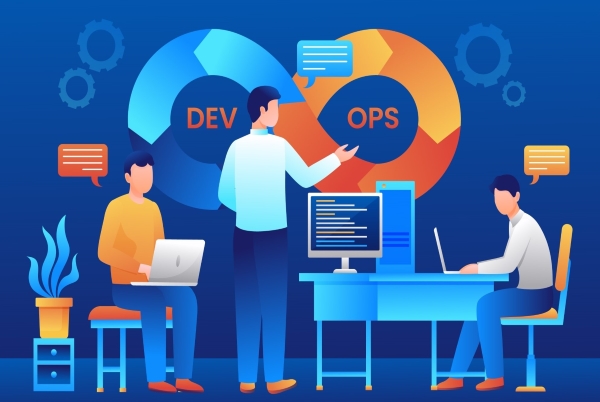
Difference Between DevOps and DevSecOps: A Strategic Comparison
In modern application development paradigms, DevOps and DevSecOps have emerged as critical methodologies. While both share a central objective of accelerating development routines to deliver high-quality applications rapidly, they differ in substantial ways. This article will dissect the nuances that set these two techniques apart and discuss their strategic comparison. So, let's begin.
Understanding DevOps
DevOps represents a compound of two words, Development (Dev) and Operations (Ops), merging the development and operations teams' efforts. This integration aims to boost productivity, enhance efficiency, quicken delivery times, and keep the entire development cycle agile.
DevOps' essence is the application of agile principles beyond the bound of the coding stage to the entire application lifecycle, promoting a culture of communication, collaboration, and cooperation among team members.
Exploring DevSecOps
DevSecOps, on the other hand, supplements DevOps by infusing security into the mix. The methodology prioritizes environment stability and security measures from the initial stages of coding to operational deployment. As threats become increasingly sophisticated, DevSecOps offers an active approach to security, making it an integral part of the entire software supply chain, rather than an afterthought.
DevSecOps encourages developers, security teams, and operations to work harmoniously, ensuring secure coding practices, regular audits, threat modeling, and efficient incident responses.
Key Differences between DevOps and DevSecOps
The fundamental difference between the two lies in their approach to security. Let's dive into the specifics of these differences.
1. Approach to Security:
In the traditional DevOps approach, the focus is on application development and operations, with security primarily a subsequent consideration. It is often dealt with secondarily by a different team altogether, during the testing or deployment stages.
Contrastingly, DevSecOps infuses security right from the development phase. It considers potential vulnerabilities during the code's crafting rather than waiting for the deployment stage. This proactive approach reduces the chance of security disruptions in the later phases.
2. Job Roles:
In a typical DevOps environment, developers and operations teams share roles and responsibilities. However, in a DevSecOps scenario, teams have a three-pronged role that includes security. Hence, the DevSecOps model requires the development, operations, and security teams to work together, enhancing the environment's safety and robustness.
The DevSecOps model encourages a 'security as code' culture with ongoing, flexible collaboration between release engineers and security teams.
3. Impact on Products:
Adding a security layer in the development process, DevSecOps tends to add an extra layer of scrutiny, which can result in higher quality and secure products. In contrast, the DevOps model might lead to faster deployments but may overlook potential security flaws that could compromise the product.
Conclusion
While both DevOps and DevSecOps aim to deliver top-quality applications rapidly, considering their inherent differences is imperative to remain agile, competitive, and secure in the ever-evolving technological landscape. After all, choosing between DevOps and DevSecOps is a matter of an organization's priorities - the velocity of delivery, the criticality of security, or a balance of both.
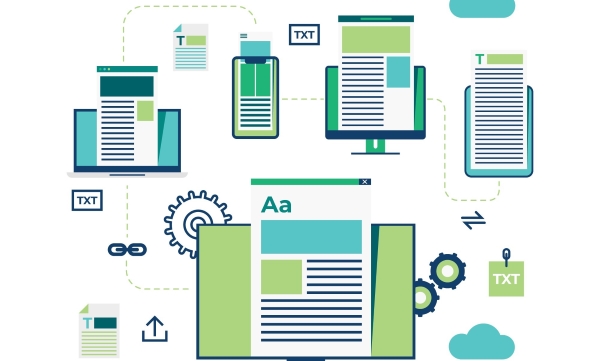
Top Software Development Frameworks, Tools, Libraries: An Infographic Guide
In the dynamic world of software development, keeping pace with the changing trends and tools is essential to stay ahead of the competition.
The right software development framework, tool, or library can enhance your development process and result in high-quality software.
Why Use Software Development Tools, Frameworks, and Libraries?
These resources offer pre-written codes or functions that can be reused in various projects. They ease the development process, facilitating a faster and more efficient workflow. Moreover, such tools bring consistency, maintainability, and scalability to your applications.
Top Software Development Frameworks
Frameworks automate the implementation of common solutions, decreasing the amount of repetitive code developers need to write. Here are the top software development frameworks that every developer should know.
AngularJS
AngularJS is an open-source JavaScript framework developed and maintained by Google. It's ideal for building dynamic single-page applications (SPAs).
ReactJS
A product of Facebook, React is a popular choice for building UI components of single-page applications. It offers a virtual DOM, thus rendering components more quickly.
Django
This high-level Python framework encourages clear, pragmatic design and provides developers with the tools they need to build maintainable, secure websites quickly.
Choosing the right framework depends on various factors such as the project's requirements, simplicity, scalability, and the learning curve of the framework.
Top Software Development Tools
These platforms or tools help to enhance the effectiveness and speed of the development process.
GitHub
GitHub is a web-based hosting service for version control using Git. It provides collaboration features and tools for basic task management and project coordination.
Jenkins
A popular open-source automation server, Jenkins offers numerous plugins for software building, deploying and automating any project.
Visual Studio Code
This powerful source-code editor developed by Microsoft supports debugging, syntax highlighting, intelligent code completion, snippets, and code refactoring. It is highly customizable, allowing users to change the editor's theme, keyboard shortcuts, and preferences.
Top Software Development Libraries
Libraries are pre-written code that developers can call upon to perform common tasks. They save a significant amount of time as developers don't need to code from scratch.
Lodash
Lodash is a JavaScript utility library that offers useful helpers for things not included in the JavaScript standard library, such as manipulating arrays, objects, and functions.
Pandas
Written in Python, Pandas is a handy library used for data manipulation and analysis. It provides data structures and functions needed to manipulate numerical tables and time series.
Remember, what works best for one project might not be the best for another. As such, the ability to choose the right tools, frameworks, or libraries is a crucial skill for any developer.

Proof of Concept (PoC) Explained: A Detailed Overview
The tech industry is replete with various acronyms and concepts, which can often seem confusing and overwhelming. One of these is the Proof of Concept (PoC), a critical step in the product development cycle. So, what exactly is PoC? This article will delve into the concept, exploring its significance, steps involved, benefits, and potential drawbacks.
Understanding the Concept of PoC
A Proof of Concept (PoC) is essentially a small exercise or a project carried out to validate the feasibility and practical potential of a concept or idea. It serves as a method to demonstrate that a concept or theory can lead to useful results, which can be a product or a system. It is performed before full-scale production and is designed to prove that the concept can be developed successfully in the real world.
'The primary purpose of creating a PoC is to demonstrate the functionality and verify that a certain concept or theory has the potential of being used in a real-world scenario.'
Significance of Proof of Concept in Product Development
The importance of PoC, particularly in the field of software or product development, can't be overstated. It is a crucial decision-making tool that helps assess whether a concept or idea can be developed, identify potential technical and logistical issues that may interfere with the development process, and decide whether the project is viable from a cost perspective.
'Proof of Concept is often considered an insurance policy against wasting resources on a project that won't work.'
Steps involved in Developing a PoC
Developing a successful PoC involves several crucial steps: defining the main objectives and requirements, designing the PoC, executing the project, and finally, evaluating the results to determine the project's feasibility. The process may vary depending on the nature of the project, but these steps generally form the basis of any PoC development process.
'In developing a PoC, a successful end result is not necessarily the only indicator of success. It's equally valuable to learn what doesn't work as it is to discover what does.'
Advantages and Limitations of PoC
While PoC offers many advantages, it is also not devoid of shortcomings. Some of the key benefits of PoC include the potential to save time and resources, reduce risks, increase stakeholders' confidence, and improve the understanding of project requirements. On the downside, however, PoC can be expensive and time-consuming, especially if the concept does not prove to be viable. Additionally, the success of a PoC may not necessarily indicate that the full-scale product development will be successful.
'A Proof of Concept is simply that - a concept. It's not a full product or solution, and should not be used as such.'
Conclusion
In conclusion, PoC plays a critical role in the product development process, providing a valuable tool to assess feasibility and potential challenges of a concept before it goes into full production. However, like any tool, it is essential to utilize it correctly and understand its limitations to maximize its benefits.
Why We Use Flutter Bloc
The BLoC (Business logic component) Pattern has become one of the most popular design patterns in the Flutter development world. This article explores why we use the Flutter Bloc and how it has enhanced the efficiency of developing Flutter apps.
Stream-Based State Management
The BLoC Pattern is a state management solution that uses reactive programming to handle data flow. The key idea is that everything in the stream—input or output—is seen as a sequence of ongoing events. This significantly reduces complexity and improves the predictability and readability of application states.
Reducing Boilerplate Code
The Flutter Bloc library, as a part of BLoC Pattern, significantly helps in reducing boilerplate code. It abstracts repetitive tasks and manages states across multiple screens, leading to a reduction in boilerplate code and avoiding redundancy. This results in applications that are easier to scale and maintain.
Easing the Testing Process
The BLoC Pattern makes testing easier. Since the logic is separate from UI, unit tests can be done efficiently and effortlessly. Also, due to its streamlined approach, integration tests and widget testing can be accomplished more conveniently.
Consistency and Standards
Adopting the BLoC Pattern offers higher state management consistency. It decouples the application into manageable blocks, each responsible for a specific functionality, ensuring code consistency. This transformation makes the code highly modular and systematic, establishing better coding standards for developers.
With the Flutter Bloc library, you reduce the risk of creating disorganized and chaotic code. The way how Bloc enforces code organization facilitates long-term code maintenance and scalability, crucial in large team projects.
Improved Performance
Performance is an essential aspect of application development. By leveraging stream-based state management, the BLoC pattern ensures efficient code execution. It facilitates better resource allocation, improving the overall performance of the application.
The BLoC pattern's reactive approach allows changes to be reflected instantly, enhancing user experience. Any interactions with the user interface, like button presses or scrolling, are captured as events, mitigated and transformed into a new state in an optimized manner.
Conclusion
In conclusion, the BLoC pattern is an influential architecture in the Flutter universe. It promotes clean code, enhances performance, simplifies testing, and sets a high coding standard. Flutter Bloc is a handy tool, easy to learn, and robust to implement, allowing developers to create flexible, scalable, and maintainable applications.
Further Learning
To truly understand the power of BLoC pattern, get to coding! There are numerous online resources to start. The goal should be to learn how to use input and output streams effectively and manage application state using the BLoC pattern.
Remember, the best way to learn is by doing. As you use the Flutter Bloc and understand its intricacies, you will appreciate how it simplifies state management, making you an proficient Flutter developer.

Smart Buildings: How Technology Is Transforming Business Landscapes
With the rapid evolution in technology, the face of the business landscape now pivots around the concept of "smart buildings." The idea of smart buildings is not entirely a foreign concept, yet the trajectory it is steering businesses on is nothing short of a wonder. The entirety of operations within buildings are embracing technological advances, yielding high efficiency. However, to understand this changing landscape, one must delve into the roots of what smart buildings are, and how technology is reshaping the business sphere.
The Concept of Smart Buildings
Smart buildings, or intelligent buildings, incorporate real-time systems management over the internet to monitor and control the building's infrastructure. They encapsulate energy efficiency, advanced infrastructure management, seamless environmental and safety features - all aimed at enhancing the productivity and comfort of the building occupants.
Technology's Role in Evolving Smart Buildings
Modern technology’s influence over smart buildings manifests in multiple ways, from energy management and security mechanisms to seamless connectivity and operational efficiency. A shift towards cloud-based fancy Internet of Things (IoT) devices, AI and Machine Learning is evident. Adding a layer of technological interfacing to the vital building infrastructure operations has led to robust and efficient systems.
Transforming Business Landscapes
The advent of smart buildings has resulted in multi-faceted changes across the business landscape. These developments are leading to reduced operating costs, increased worker productivity, contributing to environmental sustainability, and paving the way for businesses to thrive and remain competitive. They say that buildings are a reflection of a business's underlying ethos and values, and smart buildings exemplify the businesses’ shift towards embracing digital disruption.
Implications for the Future
Smart buildings, with their advanced and integrated systems, lay the foundation of a future where physical infrastructure and digital technology coalesce. As we move forward, businesses need to actively engage with these technological shifts and consider the implications for their own operations. To ignore the march of progress could leave them at a competitive disadvantage. The future of smart buildings is a future where technology and infrastructure, artificial intelligence and human potential, all meld to form a seamlessly operating organic entity.
In conclusion, technology is no longer an accessory in the realm of building infrastructure. It is fast becoming an essential part of the design, building, and management process. As technology advances further and the idea of smart buildings becomes more prevalent, we can expect a broad change in the business landscape. The future is bright, and it is digital, for the world of smart buildings is here to stay, and its influence over businesses worldwide is only set to increase.
"The future is here, it's just not evenly distributed yet." - William Gibson

Microservices: Scalability and Flexibility in Software Development
Microservices is a trending buzzword in the realm of software development. They define an approach to develop a single application as a set of small services, each running in its process and communicating with lightweight mechanisms, often an HTTP resource API. Each microservice can be deployed, upgraded, scaled, and restarted independently of other services in the application. They are usually organized around business capabilities.
Scalability of Microservices
The magic of Microservices lies in their inherent scalability. Broadly, scalability means the capacity to handle increased workload after augmenting resources. More technically, it is the property of a system to handle a growing amount of work by aiming to deliver near-instantaneous responsiveness, enabling perpetual feature growth, and ensuring cost-effectiveness. With Microservices architecture, every component can be scaled independently, enabling you to optimize resource usage and improving the user experience where it matters the most.
"The magic of Microservices lies in their inherent scalability."
Microservices introduce a next-generation level of scalability. By offering a way to separate out the application into independent service clusters, you ensure that one heavy traffic service doesn't impact the others. Also, these clusters may be written in diverse programming languages, utilize different data storage technology, and be managed by different teams. With Microservices, you can strategically scale the more resource-intensive components without wasting resources where there isn’t a need.
The Flexibility of Microservices
Flexibility is another prominent advantage of Microservices architecture that wins over monolithic structures. The architecture allows you to select the best tool for specific problems. If you need a new tool, you don’t have to redesign the whole system. Simply create a new service with the new technology and link the service with the rest of your app through APIs.
"Flexibility is another prominent advantage of Microservices architecture that wins over monolithic structures."
The Microservices architecture style promotes the development of complex applications as a suite of small services based on business capabilities. Each microservice lives independently and can use the technology stack best suited to its functionality. Because of this separation, individual microservice teams can work independently, selecting the best tools and technologies for their service. This independence gives businesses the flexibility to innovate with the latest technologies, development frameworks, and architectural patterns.
Summary
For today's dynamic business requirements, Microservices serve as a game-changing development style. From heightened resource usage to continuous delivery, Microservices improve the overall development lifecycle and aid organizations to seamlessly grow and expand their digital capabilities. Breaking applications down into manageable units, they provide the flexible and scalable architecture which business today need.
"Microservices serve as a game-changing development style."
Though it's not a silver bullet for all software solutions, when executed prudently, microservices architecture embarks on the scalability, resilience, and flexibility that software developers and businesses have been striving for.
Robot Testing in Flutter
The paradigm of software development has embraced an accelerated pace of evolution, courtesy of agile methodologies and automation, with testing playing a pivotal role in delivering high-quality applications. Among a handful of popular practices, Robot testing in Flutter is garnering significant attention.
What is Flutter?
Before delving into the rabbit hole of Robot Testing in Flutter, let's first familiarize ourselves with what Flutter is. A revolutionary open-source mobile app development SDK, Flutter is created by Google, designed to facilitate fast-paced app development with aesthetically pleasing interfaces.
Robot Testing in Flutter
For an app to stand out, it needs to be robust, bug-free, and functional across multiple devices; and that's where 'Robot Testing' comes in.
Robot Testing in Flutter is a form of automation testing that is aimed at creating simulated users—robots—to interact with the software under testing just like a real user would.
Why Robot Testing?
Why is Robot Testing in Flutter all the rage? It's simple - it bolsters efficiency and reduces error. Moreover, it allows testing beyond conventional limits, including intensive functional testing, regression testing, and more.
The Underpinning of Robot Testing in Flutter
One of the most distinct features of Robot Testing in Flutter is its ability to replicate exact human interaction. By employing a set of instructions—or scripts—robot tests recursively simulate user interaction to discern any discrepancies or pitfalls in the system.
Guidelines to Conduct Robot Testing
Though the idea of automated testing might seem daunting, its application is straightforward. Here's a walk-through of how you can conduct Robot Testing in Flutter:
First - Define the tests:
You'll need to identify and define the cases that your robots will test. This step involves analyzing the user's interaction with the app.
Second - Set up the environment:
This step involves initializing the robots with the necessary conditions required to carry out the tests.
Third - Execute the tests:
The heart of the streamline, this phase involves execution of the robot tests as scripted. The robots will interact with the app exactly as specified.
Fourth - Evaluate the results:
Lastly, you'll need to evaluate the test results for any irregularities or errors in the system.
Conclusion
In conclusion, Robot Testing in Flutter is a powerful tool that can immensely help in improving the app's reliability and user experience. It's an innovative solution that every Flutter developer should consider integrating into their testing suite.
Progressive Web App with Flutter
The modern digital environment is rapidly evolving, and as a result, technologies that can deliver better user experiences are continuously emerging. One such revolutionary technology is the Progressive Web Application (PWA), a type of application software delivered through the web. This is built using common web technologies including HTML, CSS, and JavaScript.
Developing a robust PWA involves selecting the right tools and methodologies. One of the game-changing tools is Flutter, an open-source UI software development kit (SDK) introduced by Google. Flutter provides a rich set of widgets and tools to create beautiful, natively compiled applications, not only for mobile but also for the web from a single codebase.
What makes Flutter a Perfect Fit for PWA Development?
Flutter's focus on high-quality native interfaces on iOS and Android has made it an exceptional choice for PWA development. Its architecture is based on the popular reactive programming model, providing a seamless user experience. Flutter, with its unique features, has favored PWA development in the following ways:
1. Hot Reload, one of the fascinating features of Flutter, helps you quickly experiment, build UIs, add features, and fix bugs. This is a significant advantage when developing a PWA.
2. Flutter offers a comprehensive range of widgets that can generate an appealing UI, enhancing the user experience.
3. Developers can use the same codebase for creating apps for multiple platforms, raising productivity and reducing development time/cost.
4. Being an open-source project, Flutter enjoys strong community support. This community regularly contributes to its development and helps in resolving various development issues.
Developing a PWA using Flutter
Formulating a PWA using Flutter involves certain steps which developers need to follow to attain the desired outcome. Below is a simplified version of the procedure:
Begin by setting up the Flutter Environment. You must download and install Flutter SDK and set up an editor (like VS Code or Android Studio).
Create a new Flutter project. Use the command 'flutter create project_name' in the terminal.
Navigate to that project directory and replace the contents of your 'lib/main.dart' file with your preferred code.
Now, once your app is ready, make sure to test it in the browser using 'flutter run -d chrome'.
Finally, to build a release version, use 'flutter build web'. Your PWA is ready to be hosted on your preferred hosting platform.
Conclusion
Progressive Web Applications bridge the gap between web and mobile apps by offering offline capabilities, device hardware access, and much more. Choosing Flutter for the creation of PWAs furnishes developers with an array of functionalities and advantages. Therefore, adopting Flutter for PWA development can significantly enhance the end product.

Top Machine Learning Frameworks for Web Development: Exploring ML Solutions
As the digital realm continues to evolve, machine learning (ML) has emerged as a powerful force driving this transformation. From personalized recommendations to predictive analytics and automation, machine learning is revolutionizing the way businesses operate, including the field of web development. There are several leading machine learning frameworks highly suitable for web development, and in this article, we will provide an overview of a few of these top ML solutions and their key features.
TensorFlow
Developed by Google Brain Team, TensorFlow is a favorite among developers and researchers due to its flexible and comprehensive ecosystem of tools, libraries, and community resources. The versatility of TensorFlow extends from training and deploying ML models on a diverse range of platforms - including mobile, web, cloud, and on-prem servers - to assisting in simplifying the model-building process. Its automatic differentiation and excellent GPU support make it a go-to framework for web developers who handle extensive computations.
"At its core, TensorFlow simplifies the process of acquiring data, training models, serving predictions, and refining future results."
Scikit-Learn
Scikit-Learn is a powerful machine learning tool built on Python's NumPy, SciPy, and Matplotlib libraries, and often used in web development for predictive data analysis. The framework is recognized for its easy-to-use interface, making it particularly suitable for beginners. It supports various algorithms, including classification, regression, clustering, and dimensionality reduction, and it also offers tools for model fitting, data preprocessing, model selection, and evaluation.
"Scikit-Learn is known for its clear and efficient API, consistency across all functions, and comprehensive online documentation."
PyTorch
Developed by Facebook, PyTorch is another prominent machine learning framework known for its deep learning capabilities, comparable to TensorFlow in terms of its applicational flexibility and computational efficiency. It is especially lauded for its dynamic computation graph ability, providing significant ease of use and speed during the model development process. With its Python interface, PyTorch allows seamless transition between CPU and GPU and supports distributed training, a feature of immense importance in web development.
"PyTorch’s defining feature is its user-friendly interface, which makes it particularly attractive to the academic and research communities."
Keras
Keras is a Python-based, high-level neural networks API that runs on top of TensorFlow. It's known for user-friendliness, modularity, and extensibility. It was specifically designed to enable fast experimentation with deep neural networks, making it ideal for startups and small web developers that need to stay agile and iterate quickly.
"What makes Keras stand out is its ease of use and simplicity, effectively lowering the barrier for entry into the use of machine learning tools."
Choosing the right machine learning framework for web development involves evaluating the specific needs and goals of the project. With the availability of a diverse range of robust and versatile machine learning frameworks like TensorFlow, Scikit-Learn, PyTorch, and Keras, developers can push the boundaries of web applications, provide greater user experience and set themselves apart in the ever-evolving digital world.

Funding Process for Startups
Entrepreneurship has always been a key driver of economic growth, innovation, and job creation. Today, with the rise of the digital economy, more and more individuals and groups are embracing the opportunity to launch their own startups. While this is an exciting prospect, it also comes with its own set of challenges, the most pressing of which is securing adequate funding.
Understanding the Startup Funding Process
Contrary to popular belief, successful startups are not funded solely by founders' personal savings or borrowing from family and friends. Instead, they often raise funds from a variety of outside investors. This process typically goes through several stages which include pre-seed funding, seed funding, Series A, Series B, and beyond.
Pre-Seed Funding
Pre-seed funding is often the first form of investment that a startup receives. It usually comes from founders themselves, their family, friends, and other close relations. This money is primarily used to turn the startup idea into a tangible business proposition. The product or service is developed, the market is researched, and the business plan is finalized during this stage.
Seed Funding
Once a business plan is in place, startups often seek seed funding to commence operations. This investment usually comes from angel investors and early-stage venture capitalists. The main goal is to validate the business concept by building a prototype, attracting a user base, and turning a profit.
Series A Funding
Series A funding is usually sought when the startup has shown some level of success and needs further financial push to optimize its user base and product offering. This funding round usually attracts venture capitalists and is used to improve business scalability.
Series B Funding and Beyond
By the time a startup reaches Series B funding stage and beyond, it is expected to have a well-established user base and consistent revenue streams. Each subsequent round of funding, Series C, D, and beyond is aimed at pushing the company towards greater market shares, international expansion, acquisitions, or going public.
Attracting Investors
Attracting investors can be one of the most challenging aspects of the funding process for startups. Despite the risk associated with early-stage investing, many investors are keen to back promising businesses in the hope of earning a substantial return on their investment. To attract these investors, entrepreneurs need to have a clear and compelling business proposition, demonstrate their ability to execute their business plan, and be adept at building and maintaining relationships.
Conclusion
While the startup funding process can be daunting, understanding the stages and knowing what is expected at each can greatly increase a startup's chances of success. Entrepreneurs should be prepared to face the challenges head-on, continuously learn and adapt, and never lose sight of their vision.
"Entrepreneurs are the backbone of creativity and production in the world, and startup funding is a crucial part of their journey. With the right knowledge, preparation, and resilience, they can navigate the funding process and make their dreams a reality."

Header vs Sidebar: A Simple Guide to Better Navigation Design
In web design, clear navigation is key. Not only does it lead to a much more user-friendly experience, it aids in the overall look and feel of the site. As part of this, understanding the role and characteristics of both headers and sidebars is imperative. For this reason, we will delve into the realm of headers and sidebars, exploring their pros and cons, their inherent functionality, and how best to use them in your web projects.
The Header: A Brief Overview
The header is typically the first thing a user will notice when visiting a site. This feature spans the top of a webpage and serves multiple purposes. Beyond housing the site's logo and name, it also holds the primary navigation links. Given its prime position, it offers accessibility ease and leverages the power of 'above the fold' concept.
Pros and Cons of Headers
A well-designed header is user-friendly and enhances the overall interface by offering easily identifiable navigation links. However, it can be limiting in space, especially for sites with extensive content and categories.
The Sidebar: An Overview
The sidebar, typically positioned on the left or right side of a webpage, offers an alternative or additional method to display navigation links. It can house a variety of contents such as secondary navigation, widgets, or promotional banners.
Pros and Cons of Sidebars
Sidebars allow ample space for more content and flexibility in its display. Nonetheless, with an increase in mobile viewing, sidebars often become hidden or less user-friendly on smaller screens.
Header vs Sidebar: Choosing for Better Navigation
When deciding on whether to employ a header or a sidebar (or both), it's important to consider your website's needs, its content, and its audience.
If your website requires minimal primary links and aims for a clean, uncluttered look, a header is perfect. For websites with a plethora of content categories, a sidebar might be more suited to display these without overwhelming the header.
Conclusion
Understanding the role, advantages, and drawbacks of headers and sidebars will not only improve the aesthetics of your site but also the user experience. Keep in mind, good navigation leads to better user engagement and increased conversion rates. As such, careful planning and design in these areas should never be overlooked.

White Label Software Solutions: A Boon for Startups in 2024
The business landscape of 2024 is characterized by digital transformations, innovative technologies, and the ever-present necessity for startups to stand out from the crowd. This cut-throat competition necessitates leveraging certain tools and strategies that can give startups a needed boost. One such tool gaining exceptional popularity is the white label software solution.
Understanding White Label Software Solutions
A white label solution is a fully supported product or service, produced by one company but sold by another. The reseller purchases a white label product or service, rebrands it as their own, and sells it to their business clients or customers. What makes these solutions ideal for startups is their customization possibilities, quick time-to-market, and reduced development costs.
Relevance of White Label Solutions for startups in 2024
Startups in 2024, much like those in previous years, are continually confronted with the challenges of limited resources, the need to move quickly, and laying the groundwork for strong branding. With a myriad of tasks at hand, and limited time and manpower, startups can significantly benefit from leveraging the power of white label software solutions.
The Boon of White Label Solutions
White label software solutions are tailor-made to the requirements of startups. They bring a numerous benefits to these budding businesses, from financial savings to operational efficiency, providing a competitive edge in a highly saturated marketplace.
Customization
One of the significant benefits of white label solutions is the high level of customization they offer. Startups can rebrand the software under their name, aligning it with their business model and aesthetics, ensuring a consistent brand image.
Cost-Effective
Startups often run on a tight budget and allocating funds to software development can be hefty. White label solutions alleviate this financial burden by providing top-tier software at a fraction of the cost. Besides, the maintenance costs are usually taken care of by the software providing company.
Fast Time-to-Market
Compared to building software from scratch, leveraging white label solutions ensure a faster time to market. This not only gives startups the advantage of speed but also allows them to focus on other crucial aspects of their business, such as marketing and customer retention.
Enhanced Capabilities
With a number of functionalities catered for various operations, such solutions enhance the capabilities of startups. They can offer a variety of services to their customers with the help of white label software and, hence, extend their portfolio of offerings.
The Bottom Line
In a fast-paced world where technology reigns, startups need to leverage every opportunity to gain a competitive edge. White label software solutions offer a plethora of benefits catering to the unique needs of startups, helping them to rise above the competition, optimize their operations, and expand their services whilst being cost-effective. The customization, scalability, and simplicity offered by white label solutions make them a true boon for startups in the ever-evolving digital landscape of 2024.
Ready to Build Your Product, the Fast, AI-Optimized Way?
Let’s turn your idea into a high-performance product that launches faster and grows stronger.