Insights from Zee Palm's Team
We talk about products, app development, and next-generation apps.

Flutter Library: Improving Development Process
As technology evolves, mobile app development, ubiquitous in daily life, demands newer, better, and faster approaches. One solution that prominently stands out is the Flutter Library, a comprehensive suite of tools by Google. It stands as an innovative, streamlined, and effective tool in mobile application development.
What is Flutter Library?
Flutter is an open-source UI software development kit created by Google in 2017. It allows developers to build natively compiled applications for mobile, web, and desktop from a single codebase. The Flutter library is packed with customizable widgets for building native interfaces in minutes, further proving its efficiency.
How Flutter Library Bolsters Development Process
The underlying charm of Flutter lies in its ease of use, ability to deliver high performance, and ensuring a delightful user experience with a single codebase. Flutter is powered by the Dart programming language, known for its clarity, agility, and scalability, which resonate with Flutter's ethos.
"Flutter is built around the simple idea of having everything, including the UI, as part of the app, which is not something you'd see in JavaScript. Google's Flutter team believes it makes a significant difference and leads to more straightforward code."
Perks of Flutter Library
Flutter's unique features cater to the current needs of the development process. Let's delve deeper into some of its advantages.
Single Codebase
The ability to write one application for both Android and iOS drastically reduces the development time and effort. It also brings consistency in the application across different platforms.
Hot Reload
Flutter's hot reload feature allows developers to experiment, build UIs, add features, and fix bugs faster. Code changes exhibit results instantly without losing the current application state.
Customizable and Reusable Widgets
Flutter uses a flexible system that allows the creation of beautiful designs. Developers have the freedom to customize existing widgets or build new ones from scratch.
Access to Native Features
Flutter simplifies the process of linking the plugin with native code, making it easier to access platform-specific APIs, like Bluetooth and GPS.
The Impact of Flutter on the Development Company
Flutter's potential has been recognized worldwide. Numerous tech giants have employed Flutter to develop their apps, including Alibaba, Google Ads, and eBay.
"By using Google's Flutter, developers at Alibaba could build something worthwhile in record time. Flutter allowed them to simultaneously export their app to both iOS and Android, which significantly saved time and resources."
Conclusion
Ultimately, Flutter library is a robust and efficient tool that helps businesses build beautiful, professional-grade mobile applications. Its growing popularity among developers and business owners is a testament to its benefits and effectiveness in transforming the development process.
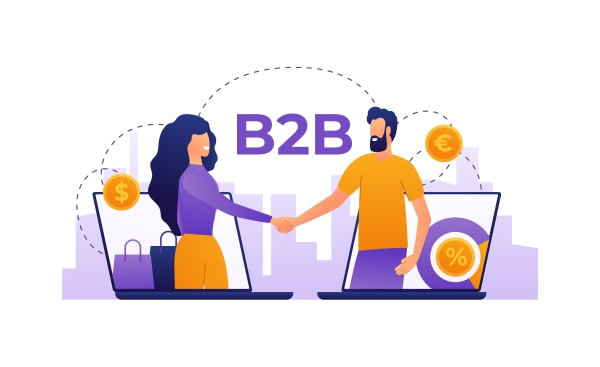
B2B Marketplace Development
Business-to-Business (B2B) marketplace development is a field rapidly gaining traction in our technology-driven age. The advent of digital technology has revolutionized how businesses operate, interact, and scale. Traditionally, B2B transactions were handled manually, entailing time-consuming processes and larger costs. Today, the innovative solution to this is a B2B marketplace - a powerful platform that connects businesses together for seamless transactions.
Understanding the B2B Marketplace
The B2B marketplace is, at its core, an e-commerce platform that allows businesses to sell a vast array of products to other businesses via the Internet. It vastly simplifies the process of carrying out transactions, culminating in efficiencies in time and cost as well as promoting a global reach.
Key Features of a B2B Marketplace
A well-crafted B2B marketplace should not just facilitate transactions but go above and beyond. Here are some of the most salient features:
Multi-vendor support: B2B marketplaces often have to accommodate various vendors selling similar products. This feature allows easy management of these vendors and their product listings.
Ease of communication: Good B2B platforms facilitate communication between buyer and seller, allowing for queries, negotiations, and feedback.
Analytics: A B2B marketplace should be able to record, analyze, and interpret data such as customer behavior, sales trends, etc., which can then be leveraged for business growth.
Benefits of a B2B Marketplace
With technology continuing to reshape our world, more businesses recognize the benefits of a B2B marketplace. Here are some notable advantages:
Global reach: B2B marketplaces eliminate geographical constraints, enabling businesses to reach customers from all corners of the globe.
Efficiency: B2B marketplaces streamline processes, reducing the time necessary for transactions and saving costs in the process.
Scalability: With a B2B marketplace, businesses can scale more efficiently. As the business grows, so can the marketplace's capacity to handle increased products and transactions.
Challenges in B2B Marketplace Development
Despite its benefits, developing a B2B marketplace does not come without challenges. Some of the common hurdles include:
Data security: Ensuring customer information and business data are kept safe from breaches is a constant challenge.
Regulatory compliance: Different regions have different laws, and complying with all these regulations can be an arduous task.
Integration: Integrating various systems and applications into the marketplace without disrupting operations can be difficult.
Final Thoughts
In conclusion, B2B marketplace development promises a shift in the world of commerce. While it comes with its challenges, the benefits it brings are undeniable. As technology continues to evolve, embracing such new developments is not only beneficial but almost necessary for businesses to remain competitive in our ever-evolving market landscape.

Custom Software Development Challenges: Alleviate Risk with the Best Practices
Custom software development is a vital part of many businesses in today's technologically driven world. Developing software tailored to specific needs offers several advantages, including increased productivity, cost savings, and improved customer experiences. However, it also presents various challenges that can lead to delays, increased costs, and project failure if not appropriately managed.
Understanding the Challenges
The core challenges in custom software development often revolve around scope management, estimation accuracy, technical complexity, skilled resource availability, and change management.
"The ability to overcome these challenges largely depends on the implementation of best practices, which help to alleviate risks and increase the likelihood of project success."
1. Scope Management
Managing the project scope is a critical aspect of any custom software development project. A common challenge is ‘scope creep', an unprioritized expansion of the project beyond its original objectives due to uncontrolled changes or continuous growth in requirements.
Practice: Prioritize Requirements
To alleviate this risk, prioritize requirements according to their business value and negotiate the less critical ones to maintain the original scope. Regular communication between involved parties and documentation helps control scope creep.
2. Estimation Accuracy
Another common challenge lies in providing accurate estimates for the time and resources required for the development process. Over or under-estimation can lead to unrealistic timelines, budget overruns, and resource allocation issues.
Practice: Empirical Estimations
One recommended best practice is using empirical estimation techniques, which help draw from past experiences and use data for more accurate estimations.
3. Technical Complexity
A project's technical complexity is another common challenge, often exacerbated when dealing with innovative technologies or unchartered domains.
Practice: Use a Modular Approach
The use of a modular approach can help to mitigate this risk. By breaking down the project into smaller, manageable modules, the complexity can be simplified, and issues can be more easily identified and addressed.
4. Skilled Resource Availability
Finding and retaining skilled resources are crucial for the success of a custom software development project, yet this is often a challenge many organizations face.
Practice: Continuous Training
Investing in the continuous training and development of your development team is a best practice that helps alleviate this risk. It also helps in retaining personnel, as it provides them with opportunities for personal growth and job satisfaction.
5. Change Management
Managing changes effectively is another key challenge. Uncontrolled or poorly managed changes can lead to project delays, cost overruns, and decreased quality.
Practice: Implement Effective Change Management Process
An effective change management process allows for the systematic handling of all changes and ensures that all impacts are appropriately assessed and approved.
"Best practices in custom software development not only help to alleviate the risks associated with these challenges, but they also contribute to overall project success, driving efficiency and quality."
In conclusion, understanding these challenges in custom software development and implementing best practices can significantly cut down on project risks, setting the stage for success.

Navigator with Flow Builder
Flow Builder, a modern, fast, and flexible automation tool, is a critical element in Salesforce's journey to make complex processes easy to automate. When combined with the Navigator tool, these platforms become extremely powerful in steering business processes efficiently.
Navigating the Use of Flow Builder
In the core of Salesforce, Flow Builder acts as a wizard, helping both admins and developers design, automate, and deploy new business processes. It simplifies complex actions into manageable flows to make the process more efficient. It does this by using visual representations, dragging and dropping functionalities, and allowing for testing and debugging before implementation.
Note: The Flow Builder is created in such a way that even non-developers can utilize its functionality and create automation flows.
Integrating Navigator with Flow Builder
The Navigator is another exceptional tool from Salesforce, which assists in guiding the user while working with the interface. In combination with the Flow Builder, the Navigator acts as the compass which guides your declarative automation, ensuring that you don't lose track of your progress. This unique amalgamation helps in creating a path that ultimately leads to the desired business process automation.
Insight: The Navigator tool can also guide users and save them time by using previously used solutions, rather than starting from scratch.
The Power of Combined Forces
Combining the Navigator with the Flow Builder presents an opportunity for effective process creation and automation. The ability to navigate the Flow Builder interface and optimally utilize its capabilities significantly speeds up the automation process.
Tip: Review previously created flows with the help of Navigator to keep your processes updated with current business needs.
Effortless User Experience
Together, Flow Builder and Navigator promise a user experience that can be termed as effortless. Each component complements the other, enhancing the functionality and, in turn, enriching the user experience.
Thought: Although the Flow Builder is an automation tool and the Navigator a guidance tool, together they orchestrate in a way that is much more than the sum of their individual parts.
Conclusion
The combination of Navigator with Flow Builder has redefined how Salesforce users develop and automate their critical business processes. They present a combination of process efficiency, control, and ease of use that transforms how organizations manage their workflows.
Final word: These tools are designed to facilitate the creation and maintenance of automated processes in an effective, user-friendly way, and have revolutionized the Salesforce landscape.

Choose the Right Engagement Model for Outsourcing: A Comprehensive Guide
Outsourcing, a business practice of hiring an external party to perform services or produce goods, has been evolving rapidly to meet the dynamic business environment. However, one of the critical decisions businesses need to make in an outsourcing venture is choosing the right engagement model. The engagement model dictates how the business and the outsourcing provider collaborate, share responsibilities, and manage operations.
Understanding Engagement Models for Outsourcing
Engagement models are frameworks that define the level of control and responsibility both the client and the vendor possess. It is designed to align the client's business strategy with the competencies of the outsourcing provider. It involves a range of variables like risk management, cost-efficiency, degree of control, flexibility, and scalability.
Types of Engagement Models
1. Dedicated Team Model (DTM)
In this model, the vendor provides a dedicated team of professionals who work exclusively on the client's project. This model is advantageous as it offers high flexibility, full client control, and easy team scalability. Suitable for long-term projects where requirements are unclear and prone to evolve.
2. Fixed Price Model (FPM)
In the FPM, the client and vendor agree on a fixed cost for the whole project, decided after a detailed discussion of the project scope and timelines. This model minimizes risk and is ideal for short-term projects with clear and unalterable requirements.
3. Time and Material Model (T&M)
The T&M model is highly flexible, where the client pays for the time and resources consumed for project completion. It offers room for changes and is ideal for dynamic projects where requirements change continuously.
Selecting the Right Engagement Model
It's crucial to select a model that aligns with the project goals, complexities, and the client's management capacity. To make an informed decision, consider the following factors:
1. Project Size and Scope
If the project scope is well-defined and the timeline is fixed, FPM can be ideal. However, for long-term projects demanding flexibility where scope changes are common, DTM or T&M would be more suitable.
2. Risk Management
In FPM, the vendor bears most of the risk. Ideal for businesses that want to stay away from operational risks. In contrast, DTM and T&M models share the risk between the client and vendor.
3. Control
Consider how much control you want over the project. If you prefer complete control and direct communication, opt for DTM.
"It's not about the model per se but rather how well the selected model aligns with your project's requirements, risk appetite, and overall business strategy."
Learn more from Design Rush's article.
Summary
Choosing the right engagement model for outsourcing is a critical decision. It sets the stage for a successful outsourcing relationship that enhances productivity, cost efficiency, and the quality of your products or services. So, identify your project needs, analyze your in-house capabilities, gauge the potential risks, and select a model that best complements your business strategy.
"The best outsourcing engagements are those where the engagement model serves as a bridge, aligning the company's strategy with the outsourcing vendor's capabilities."

Case Studies in Successful Cross-Platform Development
The world of software development has witnessed a significant shift, thanks to the rise of cross-platform development methodologies. The once distinct line separating different platforms such as Windows, Linux, iOS, and Android, has blurred, allowing software developers to efficiently create apps that are functional across numerous platforms. This article delves into some successful examples of cross-platform development, investigating their strategies, benefits, and outcomes.
Slack: An Icon of Cross-Platform Success
Slack, a popular collaboration tool, began its journey intrigued by web technologies for desktop development instead of traditional native technologies. What made Slack's cross-platform development truly unique was its usage of the Electron framework, essentially a package of Node.js and Chromium, to build a desktop application that runs on Windows, OSX, and Linux using the same code base. The main benefit of Slack's approach is that it created a uniform user experience across all platforms with fewer resources dedicated to core development.
"Through maximizing the use of cross-platform technologies in their development processes, Slack has transformed the communication landscape in businesses all around the world, clearly showcasing the power of cross-platform development."
Netflix: Streamlining Experience across Devices
Netflix utilized cross-platform development to ensure users receive a similar experience irrespective of the device they are using- be it a smartphone, PC, or a smart television. In 2015, Netflix followed a cross-platform strategy by embracing JavaScript, Node.js, and React.js for user interface development, enabling them to manage and maintain a single codebase for multiple platforms. This scalable, cross-platform strategy not only simplified the development process but also significantly improved the user experience across multiple devices.
"The success of Netflix in delivering a consistent, dynamic user experience across multiple platforms is a testament to their cross-platform development strategy."
Microsoft Office Suite: Achieving Platform Parity
Microsoft aimed to achieve platform parity for its Office Suite, which meant all versions of Office - regardless of whether they were on Mac, Windows, Android, or iOS - must provide a similar user experience. Microsoft chose to go ahead with a unified cross-platform development approach using C++. This shift enabled Microsoft to offer a single, unified Office Suite that worked seamlessly across all these platforms. Initially, different teams developed Office for different platforms, but after connection via cross-platform development, Microsoft achieved platform ubiquity, a smoother user experience, and improved productivity in the process.
"Microsoft’s efficient application of cross-platform development resulted in a multi-platform Office Suite that is widely acknowledged for its remarkable consistency and performance."
Conclusion
Cross-platform development, if properly applied, can yield immense benefits in terms of cost efficiency, better resource allocation, and an improved, consistent user experience. It's no coincidence that industry giants like Slack, Netflix, and Microsoft are incorporating cross-platform development into their strategic arsenal. However, it's critical to think deeply about the specific challenges and opportunities of each project before deciding on the best course to take. Cross-platform development isn't a one-size-fits-all solution, but the success stories clearly demonstrate its potential and power.
"In an era of digital ubiquity, cross-platform development has proven to be a game-changer, driving efficiency, consistency, and a smoother user experience."
Guide to Android App Development: Tips, Tricks, and Strategies for Building Successful Apps
Getting started with Android application development can be a rewarding and exciting journey. This guide will provide you with insights and strategies for building successful Android applications.
Understanding Android Development Environment
Beginning with Android app development requires an understanding of the development environment. The Java programming language is predominantly used, although Kotlin has recently gained popularity for Android development. Google's Android Studio is the official Integrated Development Environment (IDE) for Android app development, and it is important for aspiring developers to become well-acquainted with its interface and functionality.
Effective UI/UX Design
User Interface (UI) and User Experience (UX) design play vital roles in the success of an application. An intuitive UI facilitates a seamless UX, leading to higher user engagement and retention rates. Adhering to Material Design guidelines prescribed by Google can enable developers to create visually appealing and user-friendly Android apps.
“Good design is good business.“ - Thomas J. Watson
Data Management and Security
Inclusion of a robust data management system is crucial for the proper functioning of an app. Android provides a variety of ways to store data, including Shared Preferences, internal device memory, external memory, SQLite databases, and back-end based solutions.
Equally important to managing data is securing it. User privacy and security are paramount in today's digital age, so you must enforce strict security protocols to protect users' data.
App Performance: Testing and Optimization
Performance issues within an app can significantly impact its success. It is integral to thoroughly test the Android application using tools like Android Profilers and Test Lab in Firebase. These tools allow developers to detect performance issues like memory leaks, unresponsive User Interface (UI), and slow rendering surfaces, to name a few.
App Discoverability: Market and Monetization strategies
App promotion tactics and monetization models significantly contribute to the success of an Android application. App Store Optimization (ASO) improves an app's visibility in the Play Store, while strategies like freemium apps, in-app advertising, and in-app purchases can contribute to revenue generation.
“People do judge a book by its cover, and an app by its look.“ - Mike Markkula
Wrap Up
Android app development can be a challenging yet exhilarating experience. Understanding the development environment, creating compelling UI/UX design, managing and securing data, testing and optimizing performance, and leveraging effective market strategies can help in building successful Android apps. Following these tips can help make your Android app journey more enjoyable and fruitful.
“Any product that needs a manual to work is broken.” –Elon Musk

Building Blocks of Your Product: Decompose User Stories
Product development, in the scope of software and web services, is a process imbued with meticulous strategy and planning. One of the most valuable tools in a developer's arsenal is the user story — a high-level definition of what the final product needs to accomplish. However, breaking down these user stories into manageable tasks, a process known as decomposition, is where the rubber meets the road in product development. It allows teams to transform big-picture ideas into actionable tasks, making the process more manageable and considerably more streamlined.
Understanding User Stories
User stories are informal, natural language descriptions of one or more aspects of a software system. They capture what a user is supposed to do or achieve without specifying how the task is to be accomplished. The beauty of user stories is in their simplicity and focus on the user's perspective, which guides developers to craft solutions that meet users' needs effectively. They are typically written from the user's perspective, encapsulating their desires and expectations in a simple, understandable narrative.
The Art of Decomposition
Decomposition is a strategy for managing complexity in large projects. It involves breaking down user stories into smaller, more manageable components, known as tasks. These tasks provide a clear path for project execution and can be allocated to individual team members, thereby promoting efficiency and productivity. Decomposition is a potent tool that allows for better project management and avoids the pitfall of overwhelming complexity.
How to Decompose User Stories
The process of decomposition should start with a comprehensive understanding of the user story. This includes who the user is, what they want to achieve, and why they want to achieve it. With this understanding, the story can now be broken down into its fundamental tasks.
Starting from the user's end goal, consider the steps that the user must take to achieve that goal. Each of these steps can be considered as a separate task.
"Consider typical actions like user login, searching for products, making a payment, etc. All these are separate tasks that contribute toward fulfilling the user story."
Once the tasks have been established, the next step is to prioritize them. This can be accomplished based on the value they add to the end product, their complexity, or their dependency on other tasks.
The Benefits of Decomposition
Decomposing user stories has several benefits. Firstly, it improves focus and understanding. Breaking down a story into tasks allows team members to concentrate on small, specific parts of the project, instead of the whole story, improving understanding and productivity. Secondly, it aids in uncovering hidden complexities that would otherwise be overlooked, ensuring potential problems are identified early in the development process.
Thirdly, decomposition fosters ownership and accountability. When tasks are allocated to individuals or smaller groups, they take responsibility for the completion of that task, making them more invested in the project's success. Lastly, decomposition enhances visibility. With each task defined and assigned, project progress can be tracked easily, leading to improved management and control.
In Conclusion
Decomposition of user stories is a fundamental aspect of product development. It breaks down complex projects into manageable tasks, ensuring that each team member understands their role and knows what they need to accomplish. It not only improves productivity and project management but also ensures the final product meets user expectations and adds value to the end user. Mastering the art of decomposition can be the defining factor between product success and failure in today's competitive digital landscape.

Fintech Trends in Mobile App Development to Watch Out for in 2024-25
The future of Fintech is mobile, and the rise of smartphone usage across the world is an endorsement of this statement. As we gear up to enter 2023, we see multiple vital trends in mobile app development shaping the future of Fintech. Here's an insight into what the future holds.
Artificial Intelligence and Machine Learning
AI and ML have already proven their worth in the tech world. Because they offer predictive analysis based on user behavior and demographics, AI and ML, when integrated into mobile apps, provide users with personalized experiences, thus enhancing customer satisfaction.
Blockchain Technology
"Blockchain has the potential to disrupt the fintech industry by providing transparency, enhanced security, and quick transactions. From making cross-border payments to issuing digital wallets, blockchain can effectively change the way we carry out transactions."
Mobile apps built with blockchain technology are expected to rule the fintech industry in 2023-24.
The Rise of Robo-Advisors
As investors seek real-time, personalized financial advice, Robo-advisors - automated, algorithm-driven financial planning services - are steadily on the rise. Mobile apps offering robo-advisory services will be a significant trend to watch out for in the fintech space in 2023-24.
Digital Banks
With the surge in mobile internet usage, digital banking is gaining popularity among millennials. In 2023-24, we expect to witness a rise in mobile apps that offer full-fledged digital banking services, right from opening a new bank account to providing sophisticated financial management tools.
"Digital banking is without a doubt the future of fintech."
Better Security Features
Considering the sensitivity of the financial data handled by fintech apps, robust security features are a must. In 2023-24, we can expect to see a rise in mobile apps that incorporate advanced security features such as biometric authentication, two-factor authentication, and encryption.
Integration of Various Technologies
Gone are the days when mobile apps were standalone platforms. In the future, we can expect to see fintech mobile apps integrating with various technologies like IoT, wearables, etc., to provide a seamless and connected experience to the user.
Conclusion
In conclusion, 2023-24 promises exciting times for fintech mobile app development. The future is set for an incredible convergence of technologies that will revolutionize the way we manage our finances. It would be interesting to observe what the future holds for fintech and how these trends will drive the future of mobile app development in the fintech industry. It's a world full of possibilities!
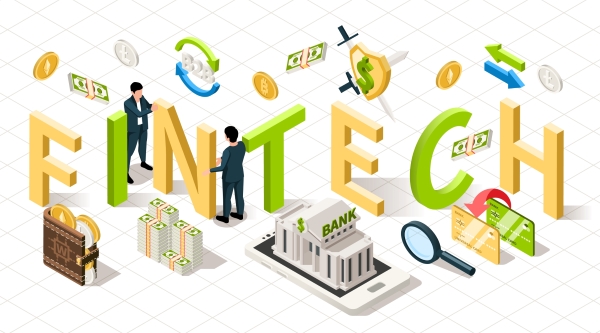
Fintech App Design
Fintech, short for financial technology, is a continually evolving sector that uses modern technology to improve and automate the delivery and usage of financial services. With the rapid proliferation of smartphones and digital technologies, the demand for fintech applications is at an all-time high. Designing these applications require a unique blend of financial knowledge, end-user understanding, and efficient use of the latest technologies. This article explores the essential guidelines and best practices for successful fintech app design.
Understand Your Audience
Understanding the target users' needs, behavior, and preferences is the fundamental first step towards designing a successful fintech app. This involves researching the financial behavior, preferred platforms, security concerns, and usability expectations of your target audience. By gaining a deep understanding of the audience, app designers can create solutions that resonate with users while solving real-life financial problems.
Design for User Trust
The trust of the user is paramount in the financial sector. Thus, fintech app design should focus on building user trust. This involves maintaining transparency in transactions, ensuring data privacy, and providing robust security measures. Incorporating reliable security features such as two-factor authentication and encryption helps foster user trust in the application.
Ensure Usability and Convenience
In the digital age, users prioritize convenience and ease of use. Fintech applications should exhibit high usability, intuitive navigation, and seamless flows. Functions like easy account setup, instant notifications, fast and secure transactions, quick issue resolution, and user-friendly interfaces significantly enhance usability and convenience.
Prioritize Responsive Design
The fintech app needs to deliver a consistent and seamless user experience across all platforms and devices. Adopting a responsive design approach enables the application to adapt to different devices, screen sizes, and orientations, thus ensuring a flawless UX irrespective of the access point.
Integrate with Other Financial Systems
To create a holistic financial management solution, fintech apps should ideally be able to integrate with existing financial systems and third-party applications. This may include banking systems, digital wallets, investment platforms, etc. Effective integration enhances the user experience by providing a more comprehensive financial outlook and streamlining transactions across various platforms.
Iterate and Improve
Remember, fintech app design is not a one-and-done deal; it's a continuous process of iteration and improvement. Gathering and analyzing user feedback, studying app usage patterns, and rolling out frequent updates is key to maintaining the app's relevance and efficiency in the fast-paced fintech landscape.
Conclusion
Successful fintech app design involves navigating the delicate balance between usability, security, and innovative technology. The diverse nature of the finance sector requires an agile and flexible design approach to meet user expectations and comply with regulatory requirements. With a careful understanding of the market and the end-users, businesses can design robust, user-friendly, and trustworthy fintech applications that stand out in the industry.

User-Centric Software Products: Best Practices and Case Studies
At the heart of every successful product lies a paramount principle: creating user-centric software. This approach makes the end-user the primary focus during the product development process, ensuring a seamless product-user interaction. This article will delve into the best practices in building user-centric software products, and using case studies, we will highlight the value of adopting this approach.
What is User-Centric Design in Software Product Development?
Before digging deep into the best practices, it’s essential to understand what user-centric design truly encapsulates. User-centric design in software development revolves around understanding the user’s struggles and needs, then creating software that solves this effectively. The goal is to create software that is easy to understand, use, and navigate. It also entails creating appealing aesthetics to the user.
Best Practices for User-Centric Software Product Development
In the journey of implementing user-centric design in software product development, certain practices guarantee success. Adopting and integrating these practices during the software development lifecycle ensures that the end product not only meets user’s needs but also provides an enjoyable experience to the users. Here are several fundamental practices:
User Research
A fundamental aspect of user-centric design is understanding your users, their needs, challenges, and expectations. User research is hence the first critical step in this process. It could be through interviewing users, conducting surveys, or user testing.
Interactive Design and Prototyping
Based on the insights from user research, create interactive designs, and testable prototypes that represent the final product. Solicit feedback from users to refine the prototypes. This approach ensures that the software meets users' functional needs and possesses intuitive and easy-to-navigate user interfaces.
User Testing
User testing allows developers to assess how real users will interact with the system, identifying any usability issues that may arise. Ideally, testing should be iterative, conducted at different stages of the product development to catch problems early and ensure continuous improvement.
User-Centric Mindset
Building a user-centric software product is more than just a process; it’s a mindset. Developers don't just consider users' needs during development. After the product launch, gather user feedback, iterate the product, and always be open to change to accommodate users' evolving needs and expectations.
Case Studies of User-Centric Software Products
Several companies have exemplified the user-centric design approach in their software product development, scoring enormous success. Some case studies include:
Case Study 1: Airbnb
Airbnb is an epitome of user-centric software design. They initiated by understanding their users, identifying their struggles and needs. Their mobile and web applications were hence designed to make it easy for users to find and book accommodation. Consequently, they have been successful in the sharing economy.
Case Study 2: Slack
Slack, the team collaboration tool, represents a finely executed user-centric design. The software is loaded with features intended to make communication among teams more manageable. It integrates several tools used in a typical work environment, making work more effective, easier, and enjoyable. Its user-centric design approach has made it one of the most popular collaboration tools globally.
Conclusion
In conclusion, adopting a user-centric approach in software product development is a strategy any software developer cannot afford to ignore. Not only does it result in products that users love, but it also sets a strong foundation for product success and longevity in the market.

Which Web Strategies Can Take Your Business to the Next Level?
In today's digital age, a strong web presence forms the backbone of any successful business. With strategic web strategies, you can harness the power of the internet to propel your business to the next level. Here are some web strategies that can help elevate your business.
1. Search Engine Optimization (SEO)
SEO involves tweaking your website's design and content to make it more attractive to search engines. By optimizing your website for relevant keywords, you can improve its visibility on search engine results pages, driving more organic traffic to your site.
“Good SEO work only gets better over time. It’s only search engine tricks that need to keep changing when the ranking algorithms change.” – Jill Whalen
2. Content Marketing
Content is king in the digital world. High-quality, relevant content can engage your audience, establish your company as a thought leader in your industry, and drive traffic to your website. It's vital to develop a content marketing strategy aligned with your business goals.
“Content is the atomic particle of all digital marketing.” – Rebecca Lieb
3. Social Media Marketing
Social media platforms are valuable tools for connecting with your audience on a more personal level. You can use these platforms to share valuable content, engage with your followers, and boost your brand visibility.
"Social Media puts the 'public' into PR and the 'market' into marketing." – Chris Brogan
4. Email Marketing
Email marketing is a cost-effective way to stay in touch with your customers and keep them informed about your latest products, services, or company news. A well-crafted email can drive significant traffic to your website and boost your conversion rates.
"Email has an ability many channels don't: creating valuable, personal touches – at scale." – David Newman
5. Web Design and User Experience (UX)
No matter how great your content or products are, a poorly designed website can drive potential customers away. A well-designed website with a focus on user experience can attract and retain customers, leading to increased conversion rates.
"Design is not just what it looks like and feels like. Design is how it works." – Steve Jobs
6. Conversion Rate Optimization (CRO)
CRO is all about improving the percentage of your website visitors who take desired actions, such as making a purchase or subscribing to a newsletter. By focusing on CRO, you can increase your profits without needing to attract more visitors to your website.
“Never let your ads write checks that your website can’t cash.” – Avinash Kaushik
Conclusion
Adopting these web strategies can be a game-changer for your business, leading to increased visibility, traffic, and conversions. By staying updated with the latest trends and adjusting your strategies accordingly, you can ensure your business thrives in the ever-changing digital landscape.
"Successful SEO is not about tricking Google. It's about partnering with Google to provide the best search results for Google's users." – Phil Frost

Unlocking Success in Digital Transformation: A Comprehensive Overview
Throughout the modern business landscape, the term 'digital transformation' has become increasingly prevalent. As industries continuously transition into the digital era, understanding and implementing the key aspects of digital transformation has become essential.
Understanding Digital Transformation
Digital transformation refers to the integration of digital technology into all areas of a business, fundamentally changing how you operate and deliver value to customers. It's also a cultural change that requires organizations to continually challenge the status quo, experiment, and get comfortable with failure.
"If the rate of change on the outside exceeds the rate of change on the inside, the end is near." - Jack Welch, former CEO of General Electric.
Main Components of Digital Transformation
Digital Transformation consists of several key components, including digital technology integration, customer experience enhancement, workforce empowerment, cultural and operational transformation.
Digital Technology Integration
Integrating digital technology is at the core of digital transformation. It involves revamping your technological infrastructure to accommodate the latest digital software and systems.
Enhancing Customer Experience
Digital transformation isn't just about integrating new technology; it's about using this technology to improve customer experience. This could mean simplifying online platforms, personalizing marketing efforts, or enhancing online customer service delivery.
Workforce Empowerment
Modern technologies cannot replace human judgment and creativity. As such, part of digital transformation involves empowering employees with the right tools and information, allowing them to work smarter and faster.
Cultural and Operational Transformation
This involves redefining organizational operations, and introducing a digital culture that embraces change, sets ambitious goals, fosters collaboration, and encourages innovation.
The Five Stages of Digital Transformation
The journey of digital transformation often involves five stages: traditionalist, beginner, intermediary, advanced, and innovator, with each stage representing different levels of digital integration and sophistication.
Unlocking Success in Digital Transformation
Successful digital transformation hinges on several factors. These include strong leadership, effective communication, a clear vision, a culture that embraces change, and a well-devised strategy.
Strong Leadership
Effective leadership guides the organization through the transformation journey, sets the vision, makes tough decisions, motivates and inspires the workforce.
Effective Communication
Clear, open, and consistent communication is crucial to making the vision of digital transformation tangible and achievable.
A Clear Vision
A clear strategic vision provides direction, sets the pace for change, ensures everyone is working towards the same goal, and helps measure progress.
A Culture that Embraces Change
A culture that encourages risk-taking, nurtures innovation, and learns from mistakes is essential for driving and sustaining digital transformation.
"The only thing that is constant is change." - Heraclitus
A Well-Devised Strategy
Finally, a well-devised strategy outlines the path to achieving the vision, orchestrates the changes within the organization, and helps mitigate any risks or challenges.
Conclusion
Digital transformation is not a one-off event; it's a continuous journey that requires consistent effort, unwavering commitment, and the right mindset. Whether small or big, every organization needs to embrace digital transformation to stay competitive and relevant in the continuously evolving digital landscape.

Flutter Tests: Very Good CLI
Flutter Tests: Very Good CLI
Flutter is an all-encompassing SDK (Software Development Kit) developed by Google that provides tools to build highly interactive and fluid user interfaces on Android, iOS, and the web from a single codebase. A crucial component of this comprehensive solution involves testing. Developers worldwide hold in high regard the Flutter Test Suite- an in-built solution for developing tests. However, with the advent of Very Good CLI (Command Line Interface), the testing experience in Flutter has been further enhanced.
"Quality is never an accident. It is always the result of intelligent effort." - John Ruskin.
Introduction to Very Good CLI
Very Good CLI is a powerful tool for creating and managing Flutter applications. Developed by the Very Good Ventures team, it improves the initial setup for new projects and optimizes them for scalability, readability, and robustness. As its name implies, Very Good CLI operates through command-line interface; hence it eliminates the additional overhead of UI operations.
Enhanced Testing with Very Good CLI
The Very Good CLI aims to augment the Flutter testing experience by offering a set of useful commands that make the process more efficient. It handles application testing with ease, providing commands like `very_good test` that runs all the tests in your Flutter application.
"Efficiency is doing things right; effectiveness is doing the right things." - Peter Drucker.
Integrating Very Good CLI into Flutter Workflow
Integrating Very Good CLI into your Flutter workflow is straightforward. Start by installing it globally to ensure its availability across all your Flutter projects. Once installed, you're just a command away from utilizing Very Good CLI's features.
Advantages of Very Good CLI
Apart from augmented testing functionality, Very Good CLI offers several benefits.
"An investment in knowledge pays the best interest." - Benjamin Franklin.
Firstly, it saves precious time by automating tedious setup and configuration tasks, allowing developers to focus on what they do best - coding. Moreover, it provides a scalable and easy-to-maintain directory structure, enabling smooth project scaling. Lastly, the integrated testing capabilities of the Very Good CLI can speed up the process of finding and fixing bugs, improving software quality and reliability.
Efficient Flutter Testing with Very Good CLI
An essential component of application development is testing. This statement could not be more valid for Flutter applications that aim to deliver a high-quality, interactive, and smooth user experience. Very Good CLI provides efficient and easy testing commands that make running and managing tests a breeze.
"Quality means doing it right when no one is looking." - Henry Ford.
In conclusion, with Very Good CLI, the process of creating, configuring, and managing new Flutter applications becomes seamless. Developers can enjoy the benefits of efficient testing, allowing them to build robust and high-quality Flutter applications.
The Future of Very Good CLI
Given its recent emergence, Very Good CLI has showcased an impressive set of features. Its main charm lies in its simplicity and effectiveness, convincing Flutter developers around the globe to adopt it. It will be intriguing to observe its future development and its impact on the Flutter ecosystem.
Summary
In the fast-paced world of Flutter development, tools like Very Good CLI are immensely beneficial. By enhancing the testing process, they ensure application stability and high performance. As a result, developers can consistently deliver the top-notch user experience that Flutter applications are famous for.

How to Grow Your Startup with Blockchain: A Strategic Overview
Blockchain technology has seen a meteoric rise in popularity since its debut in 2008, revolutionizing the way data is stored and accessed across industries. For startups, leveraging the benefits of blockchain could result in exponential growth.
Understanding Blockchain
Essentially, a blockchain is a decentralized network of computers that store data across multiple points instead of a single location. This strategic arrangement makes the blockchain inherently resistant to manipulation, as changes to the data require consensus from the entire network.
"Blockchain fundamentally disrupts the concept of centralized authority and shifts the power of trust to a more distributed, transparent and accountable system."
Improving Efficiency through Automation
Blockchain's ability to automate processes can drastically reduce operational costs for your startup. Blockchain's smart contracts are self-executing contracts with the terms of agreement directly written into the code line.
Fostering Trust with Transparency
With blockchain, your startup can offer transparency in dealings, an aspect that is highly regarded in the world of business and can be a unique selling proposition (USP) for your startup.
"Trust is hard to come by in today's businesses. Blockchain's decentralized and unchangeable nature makes it fundamentally transparent, fostering trust among its users."
Securing Data through Decentralization
By storing data across a network, the blockchain nullifies the risk associated with centralization. No single party has the ability to compromise the network's information making data immutable, secure and readily available in the purest form.
Access to Global Markets
Blockchain technology, being completely online, eradicates all geographical boundaries. Your startup can use it to gain access to the international markets and customers that were previously unreachable.
"By enabling peer-to-peer transactions without intermediaries, blockchain opens up possibilities for global trade that were previously unimaginable."
Conclusion
In conclusion, blockchain technology can equip your startup with the tools to manage, secure and utilize information effectively. This strategic application can help your startup grow exponentially while set it apart in today's competitive market.
"Blockchain is not just a technology, it's a revolution in the digital world that embodies transparency, security and decentralization. Embrace it today for a better tomorrow."
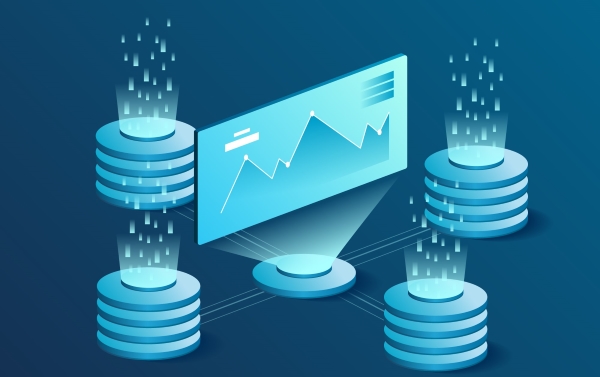
Data Pipelines and Data Warehouses
One of the most crucial components of the data infrastructure of a business is the data warehouse. Whether it is for decision making, reporting, or analytics, the data warehouse is the backbone that supports many corporate duties and functions.
In this article, we delve into the intriguing world of data pipelines, focusing on the integral role that data warehouses play. We aim to provide an understanding of what exactly a data warehouse is, how it works, and why it's indispensable in a data pipeline.
Understanding Data Warehouses
A data warehouse, as the name suggests, is a system used for reporting and data analysis. It is considered a fundamental component of business intelligence. They are central repositories of integrated data from one or more disparate sources.
These systems store historical and commutative data from single or multiple sources. This setup assists in creating analytical reports for workers throughout the enterprise. The data stored in the warehouse is uploaded from the operational systems.
The Role of Data Warehouses in Data Pipelines
A data pipeline is a set of actions that ingest raw data from disparate sources and move the data to a destination for storage and analysis. A data warehouse, in this context, is typically the destination at the end of the data pipeline, where the data arrives for analysis and reporting.
Data warehouses are an essential component of data pipelines. They provide a means through which data can be stored, organized, retrieved, and analysed. In other words, they serve as a bridge between raw data and actionable insights.
How Data Warehouses Work
Data warehouses store data in an organized and structured way, using a particular model such as the star schema. The data comes from different sources, is cleaned and transformed (also known as ETL processes), and then loaded into the data warehouse.
The process of ETL – Extract, Transform, and Load – plays a crucial role in data warehousing. ETL is a process that extracts the data from different RDBMS source systems, then transforms the data (like applying calculations, concatenations, etc.), and finally loads the data into the Data Warehouse system.
Once the data is inside the data warehouse, it can be accessed directly by end users who use various business intelligence tools, SQL clients, and other analytics applications to analyze the data.
The Importance of Data Warehouses in Business
Data warehouses are not just a data storage facility. They provide a quick and secure way of making important business decisions. The major role of a data warehouse is to provide a coherent picture of the business at a point in time. This view makes it possible for companies to make timely and accurate decisions, which can benefit the company in many ways such as increased sales, reduced costs, or improved customer service.
Overall, data warehouses constitute a significant part of modern business operations. In the context of data pipelines, they serve as the final destination for transformed data that's been processed, making it a critical component without which a company's decision-making process would likely suffer.
Conclusion
As the cornerstone of business intelligence, data warehouses play a crucial role in the data pipelines. They help businesses to store, analyze, and retrieve large amounts of data, offering an invaluable resource for decision making. Now, with an understanding of what a data warehouse is and how it fits within a data pipeline, we hope that the importance of a data warehouse in a data pipeline is clear.
This article marks the beginning of our journey into the world of data pipelines. Stay tuned for the next part of this series, where we will dive deeper into other components and processes within data pipelines.
Types of Business Models for Mobile Application Development: An Overview
In today's digital age, businesses are tapping into the potential of mobile applications to expand their customer base, boost their sales, and enhance their market reach. As such, understanding different mobile application development business models becomes paramount to ensure the success of an app-driven business.
1. The Free Model
The Free Model, also known as the 'Freemium Model,' allows users to download and use the app free of charge. In this model, businesses generate revenue through in-app advertising and collecting user data for targeted marketing strategies. While it attracts a large user base due to its free nature, companies must strike a balance to prevent in-app ads from negatively affecting the users' experience.
"The 'Freemium Model' gains from the reach, whereas the main challenge lies in effectively monetizing the massive user base without compromising user experience."
2. Paid Model
The Paid Model, in stark contrast to the Free Model, requires users to pay before downloading the app. The upfront payment serves as the primary source of revenue. The success of this model hinges heavily on the app's quality, uniqueness, and indispensability. Enhancing user experience, providing exceptional value, and maintaining a solid marketing strategy are key to succeeding in the Paid Model.
"The Paid Model thrives on quality and uniqueness. The app must leverage its distinctive features and offer enough value to justify the upfront payment."
3. Paymium Model
The Paymium Model is a combination of the Free and Paid Models. Users can download the app for free but require to pay to unlock premium features or content. This model provides an initial free experience to users and monetizes through upselling premium features or services.
"The Paymium Model tantalizes with free access but makes a profit through the allure of enhanced features or content that come with a cost."
4. Subscription Model
The Subscription Model is an increasingly popular business model where users pay a regular fee - monthly, quarterly, or annually - to access the app or its content. This model provides a steady income stream and customer retention benefits. It best suits content providers like news services, streaming platforms, digital magazines, etc.
"The Subscription Model offers a continuous revenue stream and an opportunity for stronger customer relationships through regular, predictable interactions."
5. In-App Purchase Model
The In-App Purchase Model allows users to download and use the app freely, but certain features, services or virtual goods can only be accessed through in-app purchases. This model is prevalent in gaming apps where users can purchase virtual goods, additional features, or bonus content.
"The In-App Purchase Model entices with free access, then profits from the sale of additional features, services, or virtual goods within the app."
6. Sponsorship Model
The Sponsorship Model, a relatively new entrant in the mobile app business landscape, involves partnering with advertisers who reward users for completing certain in-app actions. The sponsors provide rewards, which boosts user engagement and the sponsors gain user loyalty and engagement in return.
"The Sponsorship Model encourages active user engagement by offering rewards for specified in-app interactions."
Conclusion
Choosing the right business model for mobile app development significantly impacts the app's success. It's critical to understand the nature of the app, target demographic, market demand, and competition to decide which model suits best. A strategic combination of these models can also prove effective for certain apps, depending upon their unique requirements and goals.
Top Python Libraries Based on Recent Stats: A Comprehensive Guide
Python, a versatile high-level language, has seen extensive adoption in various fields such as data science, machine learning, artificial intelligence, web development, and more. One of the aspects setting Python apart is its comprehensive assortment of libraries. An analytics-driven analysis of recently gathered data has unveiled the top Python libraries gaining wide acceptance and application. This article offers a thorough guide about these Python libraries.
Numpy
Numpy, short for 'Numerical Python', is a library used for handling numerical data. It provides a high-performance multidimensional array object, making it exceptionally suitable for mathematical and logical operations. This indispensable library offers numerous in-built mathematical functions, proving it to be quintessential for scientific computation.
"Numpy is the essential library for performing mathematical and logical operations on Arrays. It provides an abundance of useful features for operations on n-arrays and matrices in Python."
Pandas
Pandas is a high-performance open-source library for data analysis in Python. It provides fast, flexible, and expressive data structures that make working with structured data easy and intuitive. With its powerful indexing functionality, it stands out in handling large datasets. It is widely used for data munging and preparation.
"Pandas stands out as the go-to library for high-performance, easy-to-use data structures and data analysis tools."
Matplotlib
Matplotlib is a 2D plotting library for creating static, animated, and interactive visualizations in Python. Used for transforming raw data into insights via visualizations, matplotlib supports a variety of plots like line, bar, scatter, histogram etc.
"Matplotlib is a versatile tool, enabling you to generate plots, histograms, power spectra, bar charts, error charts, scatter plots, and more with minimal code lines."
Scikit-Learn
Scikit-Learn is a machine learning library for Python programming. It features various algorithms like support vector machine, random forests, and k-neighbours, making it useful for managing complex data. Scikit-Learn's simple and efficient tools for data mining and data analysis make it highly enjoyable for users.
"The beauty of Scikit-Learn lies not only in its capabilities but also in its well-organized API. The consistent way it handles data and the ease with which you can plug different modules together make it incredibly useful."
TensorFlow
TensorFlow is an open-source software library for dataflow and differentiable programming across a range of tasks. It is a symbolic math library, used for machine learning applications like neural networks.
"TensorFlow represents computations as graphs, with nodes in the graph representing mathematical operations, while the mult-dimensional data arrays, or tensors, communicated between them."
Keras
Keras is an open-source neural network library written in Python, capable of running on top of TensorFlow, Microsoft Cognitive Toolkit, Theano, or PlaidML. It is designed to enable fast experimentation with deep neural networks due to its user-friendliness and modularity.
"Being highly modular and incredibly flexible, Keras equips users with the ability to write clean and simple code, accelerating the experiment workflow and reducing market wait-time."
In conclusion, Python's wide array of libraries extend its capabilities, making it a popular choice among developers in varying fields, including data science, machine learning, and more. As Python continues to evolve, these libraries will likely play a significant role, contributing to its growth and adoption.

Flutter Apps: Widgets All Around
In the world of mobile app development, the term ‘widget’ is not new. Contrarily, it plays a prominent role in creating remarkable user interfaces (UIs). Especially when talking about Flutter, the revolutionary cross-platform app development framework from Google, everything revolves around Widgets. Undeniably, Widgets have paved the path for delivering fast, efficient, and visually appealing mobile applications that can run successfully on both Android and iOS.
Understanding Widgets in Flutter
Widgets in Flutter are essentially the building blocks of the application interface. They are primarily responsible for structuring and shaping how your application appears and how it interacts with the user. Keeping the concept of Widgets at its core, Flutter uses a 'Everything is a Widget' approach for app development.
Types of Widgets in Flutter
In Flutter, widgets broadly fall under two main categories: Stateless and Stateful.
Stateless Widgets
Stateless Widgets are static, implying they describe part of the user interface which can not change over time or during the lifetime of the widget. They are used when the part of the UI depends only on its initial configuration and external factors.
Stateful Widgets
Unlike Stateless Widgets, Stateful Widgets are dynamic. The mutable state of these widgets dictates the change in the widget’s appearance over time.
Widget Tree and Rendering
Flutter uses the concept of a Widget Tree for rendering. It is a structure where widgets form a hierarchy. In this tree, each widget nests inside, and derives attributes from its parent. If any attribute gets modified, the framework automatically updates/redraws the affected widget. This means that the UI can dynamically change at runtime, paving the way for an interactive user experience.
Advantages of Using Widgets in Flutter
"Widgets can make your Flutter application's UI highly customizable and responsive. They can provide a seamless user experience across different screen sizes and devices."
"As Flutter is all about Widgets, developers have less code to write and test. This not only reduces the development time but also minimizes the risk of errors."
"With Flutter’s widget-centric approach, developers have modular and reusable code which significantly enhances the readability, maintainability, and scalability of the code."
Widgets: The Future of Flutter
Widgets are indeed at the heart of every application built with Flutter. Their importance in app development with Flutter is undeniable and that will remain unchanged even in the future. As developers continue to explore and adapt to Flutter for their cross-platform application development needs, widgets will continue to play a central role. Interestingly, with the timely updates, Flutter introduces new widgets and refinements in the existing ones, thereby continuously expanding the possibilities for application design and functionality.
In conclusion, Flutter’s widgets are robust tools that developers can use to build beautiful, effective UIs in less time. By using widgets constructively, one can surely harness the full potential of Flutter’s cross-platform app development.

Concept to Reality: How We Built a Journaling and Mood Tracking App
The concept of a journaling and mood tracking app initially sparked from the basic necessity to understand one's emotions and reflections better. Hence, our eclectic team decided to build an application that not only allows the user to journal their daily experiences but also track their emotional states. After a series of brainstorms, debates and countless cups of coffee, we started our journey of transforming this concept into reality.
The Idea
Our primary focus was to create an intuitive, easy-to-use and secure platform for users. We wanted to ensure the user could track their mood, reflect on their thoughts, and make sense of their emotional patterns - all under one roof.
Design and Development
Having laid out our blueprint, we moved onto the design and development phase. Adhering to the principles of user-centered design, we meticulously curated a minimalist aesthetic to provide a soothing and calming user experience. The challenge was to incorporate both journaling and mood tracking functionalities without over-complicating the interface.
We aimed to create a balance between simplicity, functionality, and user engagement. App development is a delicate art that, when done right, can bring concepts alive in the most breathtaking ways."
Development Challenges
As the development process started, it was not a walk in the park. A few bugs here and a few issues there, and our team found ourselves spending more nights in the office than at home. There were complications with the integration of the mood tracking system, which then further delayed our attempts to perfect the user experience.
Triumphing Over Challenges
However, with relentless effort and commitment, we managed to overcome these challenges and inch closer to our goal. Persistence was key here. We iterated and re-iterated the designs until we were satisfied with the app's performance and user interface.
User Testing
Once we ironed out the kinks, we moved on to the most critical phase - User Testing. Gathering a diverse group of users, we watched and noted their experiences and feedback. This invaluable insight gave life to our app, informing final tweaks and adjustments.
Launch
With the completion of testing and final revisions, we finally launched our journaling and mood tracking app. Seeing our app in the hands of users and hearing positive feedback was a feeling of accomplishment - the ecstatic moment when a concept turns into reality.
This entire process was a great learning journey that showed how resilience, team efforts, and belief in your idea can turn a concept into a tangible reality."
Future Plans
Our journey doesn't stop here. We plan to continue refining our app based on user feedback and advancements in technology. We foresee AI integration, predictive analysis, and more high-tech, beneficial features added to our application in future updates. Our ultimate aim is to make the app a companion that helps users better understand themselves and their emotional well-being.
Conclusion
Building the journaling and mood tracking app was a collaboration of creativity, technical finesse, and unwavering determination. Despite the roadblocks and overnight coding sessions, the satisfaction of turning an idea into a tangible product that can potentially help millions is indeed a unique, unforgettable experience.
As we continue our technological journey, we anticipate many more hurdles, learning experiences, and success stories. Because that's what turning concepts into reality is all about."

The State of UI/UX Design in Mobile App Development: Current Trends and Insights
User Interface (UI)/User Experience (UX) design plays a pivotal role in the overall success of mobile apps. Its importance cannot be overstressed, being critical to app functionality and user engagement. This article delves deeper into the current trends and insights shaping UI/UX design in mobile app development.
Mobile UI/UX Design: What it Means?
Before digging into the trends, it's essential to understand UI/UX design. The 'UI' in UI/UX design refers to 'User Interface,' which encompasses the layout and aesthetics of your app. It involves everything that a user interacts with on their screen: buttons, text, images, sliders, etc.
“Good UI design propagates seamless interaction between the user and the application.”
On the other hand, 'UX' stands for 'User Experience.' It focuses on the overall experience of the user while navigating through your app. UX design's primary goal is to provide seamless and intuitive navigation, ensuring each user interaction is meaningful and efficient.
“Exceptional UX design aims to provide the right experience that keeps users loyal to the product or brand.”
Current UI/UX Trends in Mobile App Development
Industry developments and evolving user behavior continuously shape UI/UX trends for mobile apps. Here are some significant trends to watch out for in 2020 and beyond.
1. Minimalist Design
A major trend in mobile app UI/UX design is Minimalism or flat design. This design aesthetic emphasizes simplicity and functionality. It involves using only essential elements, minimal colors and simple shapes to help users understand the app quickly and easily.
2. Microinteractions
Microinteractions refer to small animations or design elements that guide the user or give feedback on their actions. These subtle cues can greatly enhance the user experience if implemented well.
3. Dark Mode
Dark Mode, a feature first introduced by iOS and later adopted by Android, is becoming increasingly popular. Dark Mode isn't just aesthetically pleasing; it's also known to reduce eye strain and save battery life on OLED screens.
4. Voice User Interface (VUI)
With the rising popularity of voice assistants like Amazon's Alexa, Apple's Siri, and Google Assistant, more and more mobile apps are incorporating voice commands into their UX design.
Insights into Mobile UI/UX Design
Understanding the trends is a part of the deal. Knowing the driving forces behind them can provide better insights to further improve your UI/UX design practices.
1. User Preferences Rule
Users are becoming increasingly demanding and selective. They prefer applications that are intuitive, easy to navigate, and visually appealing. Catering to this preference has led to the rise of designs like dark mode and minimalism.
2. Increasing Importance of Microinteractions
People love feedback, and they like to be acknowledged. Providing subtle feedback through microinteractions not only acknowledges users' actions but also helps prevent errors, making it a vital element in app design.
3. Voice Technology on the Rise
Voice technology is undoubtedly a game-changer. It brings about a wide range of possibilities and convenience, driving more apps to incorporate VUI into their design.
“The future of mobile app UI/UX design lies in continually adapting and evolving to enhance user satisfaction. Prioritizing user needs, simplifying interactions, and keeping up with trends will help in creating successful and engaging mobile applications.”
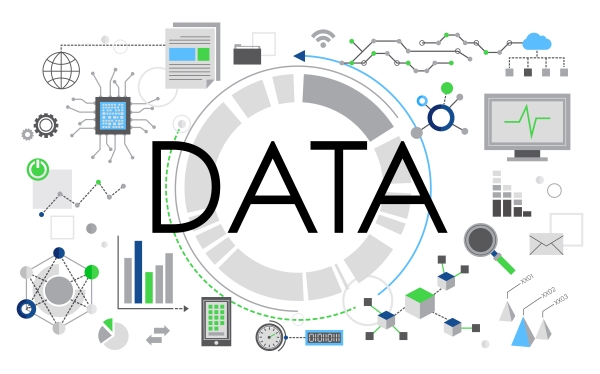
Data Warehouse: Optimal Organization of Your Product Data
Data is the lifeblood of any organization in the current digital era. Whether you run a multinational conglomerate or a small family-run enterprise, data plays an integral role in streamlining operations and making informed decisions. Thus, it is imperative to have a well-structured system in place that allows effective data management. Enter: the data warehouse.
"The data warehouse is a subject-oriented, integrated, time-variant, and non-volatile collection of data in support of management's decision-making process." - Bill Inmon, father of Data Warehousing
What exactly is a Data Warehouse?
A data warehouse is a vast storage system where an organization's raw data is transformed and stored. This data repository aids entities in making informed decisions by providing a consolidated view of company information. From sales metrics to customer shopping habits, a data warehouse can store and analyze a broad spectrum of data.
Importance of a Data Warehouse in Organizing Product Data
When it comes to managing product data, organizations often face challenges like duplicate data, outdated information, or inadequate data synchronization. This is where a data warehouse can play a pivotal role.
"Without big data analytics, companies are blind and deaf, wandering out onto the Web like deer on a freeway." — Geoffrey Moore, author of 'Crossing the Chasm'.
Eliminating Data Redundancy
A data warehouse aids in eliminating data redundancy by storing all product data under one roof. This consolidation not only simplifies data management but also ensures data consistency and integrity.
Updating Information
Up-to-date product information is crucial for maintaining customers' interest. With its capability to store and analyze real-time data, a data warehouse keeps all the product data updated.
Data Synchronization
Data warehouses help in synchronizing the product data across various departments in an organization. Whether it is the sales department looking for sales history or the R&D team looking for product updates, everyone can access the same copy of the data.
Maximizing your Data Warehouse
But merely having a data warehouse is not enough. To reiterate Geoffrey's Moore notion cited earlier, you need to have robust data analytics in place to navigate through the 'web' of product data.
"A company that successfully manages big data turns raw data into actionable information." - Pearl Zhu, author of 'Digital Master.'
Data Cleansing
Before you can perform any analytics on your data, you need it to be clean, i.e., free from redundant and erroneous records. Regular data cleansing goes a long way in maintaining the quality of your data.
Data Integration
Integrating data from various sources is key to developing a 360-degree view of your products. Data warehouse supports integration of data from different systems, making it easier for organizations to have a comprehensive understanding of their product data.
Data Analytics
Data warehouses are equipped with powerful analytical tools that enable organizations to extract meaningful insights from their data. These insights can be used for forecasting trends, making strategic decisions, or improving business outcomes.
Conclusion
In conclusion, a data warehouse is an integral part of any organization's data architecture. This modern-day tool helps to eliminate data redundancy, ensures data consistency and aids in real-time decision making. Implementation of an effective data warehouse set-up can make a huge difference in achieving the optimal organization of your product data.
“Data will talk to you if you’re willing to listen.” — Jim Bergeson, CEO of Bunchball
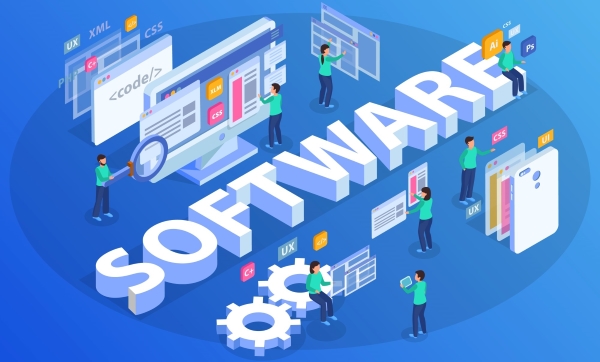
Custom Software vs. Off-the-Shelf: Choosing the Right Solution
The decision between custom software and off-the-shelf solutions is a common dilemma faced by businesses looking to streamline their operations. While both offer particular benefits, it is crucial to understand their differences to make an informed decision.
What is Custom Software?
Custom software, often known as bespoke software, is tailor-made to meet a company's specific requirements. It is developed from scratch, focusing on the unique business processes, making it an exclusive product to solve unique business issues.
Advantages of Custom Software
Custom software provides a high level of adaptability and customization. As businesses grow and change, the software can be updated and altered accordingly. This ability to evolve with the company makes custom software a flexible and future-proof choice. It can also offer enhanced integration with existing systems and provides a superior user experience because it is designed with end-users in mind.
Disadvantages of Custom Software
Despite the benefits, custom software also has a few downsides. The development process can be time-consuming and costly, plus it requires continuous maintenance and updates. There is also the risk of project failure or delay, and there may be a lack of support unless specifically included in the development contract.
What is Off-the-Shelf Software?
Off-the-shelf software is predefined software available to a wide array of users with similar needs. It’s readily available and is designed for a broad audience, which means it considers a diverse range of requirements.
Advantages of Off-the-Shelf Software
Off-the-shelf software typically offers lower upfront costs and faster implementation since it’s already developed. With established vendors, you can count on regular updates, ongoing support, and more robust security. Because it caters to a larger user base, it's more likely that user-friendly features have been carefully considered and tested.
Disadvantages of Off-the-Shelf Software
One of the main drawbacks of off-the-shelf software is its lack of customization. It may not account for unique business practices and might require adjusting your business process to fit the software. Additionally, licensing fees can get expensive over time, and there might be unnecessary features that your business doesn’t need, increasing complexity and decreasing user-friendliness.
Choosing the Right Solution
The choice between custom software and off-the-shelf solutions depends on the specific needs of your company. If you require a specific functionality, have a complex business process, or need complete control over your software, custom software might be the right choice. On the other hand, if you need a quick solution, have a tight budget, or your requirements are generally similar to others in your industry, off-the-shelf software could be a better choice.
Conclusion
Whether you opt for custom software or an off-the-shelf solution, it's crucial to consider both the short-term and long-term implications of your decision. By considering your overall business strategy, budget, and operational requirements, you can make the best choice for your organization.

Cloud Computing vs. Blockchain Technology: Which Is Right for Your Business?
Choosing the right technology for your business is a pivotal decision and it's important to understand the potential impact that this choice could have on your day-to-day operations. Two of the most influential technologies shaping the business world today are Cloud Computing and Blockchain Technology. While both offer numerous benefits, they serve different purposes and it can be challenging to determine which one aligns best with your business model.
Understanding Cloud Computing
Cloud computing, in the simplest terms, refers to the delivery of computing services via the internet ('the cloud'). These services can range from storage and database management, to networking and software. Cloud computing allows businesses to avoid the upfront costs and complexities associated with owning and maintaining their own IT infrastructure.
"Cloud Computing has revolutionized the business landscape, allowing companies to stay agile and responsive to changing market needs."
The Power of Blockchain Technology
On the other hand, blockchain is a unique type of database characterized by its decentralization. Every transaction or 'block' is transmitted to all participants in the network, and these blocks are combined to form a 'chain'. Blockchain's inherent security and transparency make it an excellent tool for secure transactions and the tracking of goods and services.
"Blockchain's decentralized nature reduces the single point of failure, increasing the system’s overall security."
Cloud Computing: The Pros and Cons
The biggest advantage of cloud computing is its scalability. With cloud computing, your business can easily scale up or down, depending on workload, without having to invest in physical infrastructure. Another advantage is the cost savings due to the elimination of upfront hardware and software expenses. Finally, cloud-based services provide businesses with the ability to launch new applications quickly, accelerating their time to market.
However, businesses must be aware of potential downsides, such as the potential for data breaches. While cloud providers strive to keep your data secure, breaches can still happen. Moreover, there can be ambiguity around data ownership and privacy regulations, particularly for businesses operating globally.
Blockchain Technology: The Pros and Cons
Blockchain technology's biggest advantage is its exceptional level of security. Due to its decentralized nature, it is exceptionally difficult for hackers to compromise the data. Another significant benefit is the transparency that blockchain provides. All transactions are visible to all network participants, increasing the level of trust amongst users.
On the flip side, blockchain technology is often seen as complex and difficult to understand and adopt. Also, given its relatively new arrival on the tech scene, there's a limited pool of blockchain experts available in the market. Regulations around blockchain are still being established, which might be a potential challenge for businesses keen on adopting this technology.
Choosing the Right Technology for Your Business
So, which is better for your business? Cloud computing or blockchain? The answer to this question is highly individual and depends on your specific business use-case. If scalability, cost-effectiveness, and speed are your top concerns, it may be beneficial to explore cloud computing options. On the other hand, if your business demands a high level of security and transparency, blockchain could be the match for your needs.
"Understanding your business needs is critical in determining which technology to adopt."
In conclusion, it's essential to conduct an in-depth analysis of your business needs before investing in either technology. Both cloud computing and blockchain offer unique advantages, and adopting the right one could significantly propel your business to achieve its goals.

What Are the Examples of Great Progressive Web Apps for Entrepreneurs?
As a modern-day entrepreneur, understanding and utilizing the complexities and capabilities of the digital world is crucial for the success of your venture. Various software applications and tools, particularly Progressive Web Apps (PWAs), have made life easier, streamlined operations, and improved the reach of businesses.
Understanding Progressive Web Apps
Progressive Web Apps are web applications that use modern web capabilities to deliver an app-like experience to users. They are reliable, fast, and engaging. A high-level feature that sets Progressive Web Apps apart is their ability to work offline, or on low-quality networks.
Starbucks
The Starbucks PWA provides an app-like experience that allows customers to browse menus, customize their orders and add items to their carts, even while offline. This PWA has doubled the number of online orders compared to their desktop website, providing an impressive example of the capabilities of a well executed PWA.
Twitter Lite
Twitter Lite is a faster, data-friendly way of using Twitter. As a PWA, it's significantly smaller than the native app, using less data and storage. This is essential for users in regions with expensive data plans or without reliable internet connections.
Another notable example of a highly effective PWA is Pinterest's. Before it became a PWA, the platform saw low engagement with its mobile website. But after the transformation, it reported a 60% increase in mobile-engaged users and a 44% increase in ad revenue.
Uber
The Uber PWA takes a different approach and is designed to run quickly even on 2G networks. Much like the native app, users can select their pickup location and book a ride, all while using minimal data.
Other Examples of PWAs:
Alibaba, Trivago, The Washington Post, and Forbes are other successful examples of entrepreneurs using Progressive Web Apps for their global operations. They enjoy the benefit of higher user engagement, increased conversion rates, and smoother user experience.
Conclusion
If you are an entrepreneur in the digital age, understanding and leveraging the potential of Progressive Web Apps can be a game-changer for your business. They offer the potential for greater reach, increased user engagement, and a more streamlined experience, regardless of the user's internet connection. So give PWAs a whirl, capitalize on their advantages and stand out in the competitive digital landscape!

Transform Your Ecommerce Strategy with Predictive Analytics: A Game-Changing Approach
The rise of globalization and digital transformation has made e-commerce a critical cornerstone of the modern business landscape. At the heart of driving e-commerce strategy success lies an advanced tool known as 'Predictive Analytics'. This exciting field of technology has reinvented the game, enabling businesses to predict future trends, customer behavior and shape strategies accordingly.
Understanding Predictive Analytics
Predictive analytics involves the extraction of information from existing data sets to determine patterns and predict future trends and outcomes. It incorporates numerous techniques, including data mining, statistics, modeling, machine learning, and artificial intelligence, to forecast actions. Categorically, it is an intrinsic part of business intelligence and strategic planning in e-commerce.
Role of Predictive Analytics in Ecommerce
The role predictive analytics plays in e-commerce is enormous. It enables businesses to forecast customer behavior, refine product recommendations, customize content, optimize prices, and manage stocks efficiently. Here's how.
"Predictive analytics helps companies tap into customers' expectations and cater to them, a critical aspect of gaining customer loyalty and driving sales in e-commerce."
Forecasting Customer Behavior
Predictive analytics provides an in-depth analysis of a customer's past behavior to predict potential future actions. This information can be used to target promotions and offers to individual customers, significantly improving engagement and conversion rates.
Refining Product Recommendations
Through predictive analytics, businesses can personalize product recommendations based on a customer’s previous purchases, viewing history, and other online activities. This tailored approach can increase the likelihood of a sale and can significantly enhance the overall customer experience.
Customizing Content
Personalizing content is another potent way in which e-commerce platforms can use predictive analytics. By analyzing customer preferences, businesses can offer the most appealing content for each user, boosting engagement and repeat visits.
"A customized approach to content not only improves the user experience but also builds a relationship with customers, fostering loyalty."
Optimizing Prices
Through price optimization, predictive analytics helps businesses strike a balance between market demands, business objectives, and customer satisfaction. By analyzing factors like competition, demand, and customer behavior, businesses can determine optimal price points that maximize profits while satisfying customers.
Stock Management
Managing stocks efficiently is critical for any e-commerce business. Predictive analytics can forecast demand for various items, enabling businesses to manage inventories efficiently and reduce costs associated with overstocking or understocking.
Conclusion
As demonstrated, predictive analytics possesses the power to transform e-commerce strategies and allow businesses to stay a step ahead in the competitive digital marketplace. By leveraging this technology, companies can engage customers more effectively, optimize operations, and ultimately, drive growth and profitability.
"Embracing predictive analytics is no longer a luxury for e-commerce businesses; it's a necessity for keeping pace with evolving customer expectations and market dynamics."

How to Build a Remote Team for E-commerce Development: A Step-by-Step Guide
Starting an E-commerce business has never been easier, but having a strong team to back your venture is crucial for success. In this digital era, the concept of a traditional office has become extremely flexible, and creating a remote team for E-commerce development is not an exception. This guide will help you navigate through the steps of building a remote team for your E-commerce development.
Step 1: Precisely Define Your Requirements
Before you start assembling your team, it is important to understand the exact skills you will need. For E-commerce development, you may need a mix of web developers, designers, content creators, SEO specialists, digital marketers, project managers, and more. Having well-defined roles will help you identify the right candidates during the recruitment process.
Step 2: Start the Hiring Process
Once you have a clear understanding of what you need, the next step is to find the right talent. There are various platforms like LinkedIn, Indeed, and Upwork where you can post your job listings. Also, consider looking into remote work-specific job boards, such as We Work Remotely or Remote.co.
Step 3: Evaluate and Select Your Team
After receiving applications, thoroughly evaluate each potential member's skills, experience, and portfolio. Select people who not only meet your technical needs but are also a good cultural fit for your company. An interview, whether conducted over phone or video call, is a good way to assess these aspects.
Step 4: Develop a Strong Onboarding Process
Once you've selected your team, an effective onboarding process is key. Provide all necessary resources and guidelines they need to familiarise with your company's workflow. Introduce them to the existing team members and explain their roles and responsibilities. This will help in facilitating a smooth induction to the team.
Step 5: Communication is Key
When working remotely, communication is twice as important. Use reliable collaboration tools like Slack, Trello or Asana for regular updates and progress-tracking. Having regular video conferences allows the team to feel more connected, despite the physical distance.
Step 6: Keep Track of Project Progress
Tracking progress can be challenging with a remote team. Use project management tools like Jira or Monday.com to monitor ongoing tasks and ensure projects are on track. Regular check-ins are also important to resolve any blockers and keep everyone in sync.
Step 7: Foster a Positive Work Culture
It's essential to nurture a positive work culture where remote employees feel valued and included. Organizing virtual team building activities, celebrating wins and milestones, or just informal online gatherings, can dramatically improve team culture and productivity.
In conclusion, forming a remote team for E-commerce development requires a different approach but yields remarkable results. By following these steps, you can build a highly-skilled, productive and successful team that is equipped to take your E-commerce business to new heights.

Offshore vs. Nearshore Outsourcing: A Detailed Comparison
Business organizations in the 21st century are met with a variety of growth strategies; among them is a perpetuating trend known as outsourcing. Outsourcing involves delegating functions or tasks within an organization to a third-party entity. Two well-known strategies in this arena are offshore and nearshore outsourcing. While both strategies strive to provide cost-effective solutions, the choice between the two primarily depends on your organization’s specific needs and goals.
What is Offshore Outsourcing?
Offshore outsourcing refers to the practice of hiring an external organization to perform certain tasks in countries other than the one where the products or services are actually developed or manufactured. Typically the offshoring location is significantly distant, often in a completely different geographical region.
Benefits of Offshore Outsourcing
The primary benefit of offshore outsourcing is cost savings. Organizations can leverage lower operation costs in foreign countries to reduce expenses without compromising performance or output. Additionally, offshore outsourcing also provides access to skilled professionals worldwide, potentially diversifying your team with global perspectives.
Challenges of Offshore Outsourcing
With myriad of benefits also come challenges. The most common are the issues related to time-zone differences, which might result in communication delays. Additionally, cultural disparities might impact mutual understanding and nuances in project requirements. Legal issues might also arise, especially if intellectual property rights and data privacy laws vary drastically from home country.
What is Nearshore Outsourcing?
Nearshore outsourcing, on the other hand, refers to when services are outsourced to neighboring countries or those that share a border or are within the same geographical region.
Benefits of Nearshore Outsourcing
The benefits of nearshore outsourcing often revolve around its proximity advantage. The shorter distance generally enables better coordination and direct communication. Also, similar or overlapping time zones eliminate the issue of work hour mismatch. Additionally, cultural similarities encourage an easier understanding of business protocols and norms.
Challenges of Nearshore Outsourcing
Despite several advantages, nearshore outsourcing might fall short in terms of substantial cost reductions as neighboring countries might have similar living standards and wage rates. It may also provide a less diverse knowledge base compared to offshore outsourcing.
Conclusion: Offshore vs. Nearshore Outsourcing
The decision to choose between offshore and nearshore outsourcing should be carefully evaluated depending on the specific demands and strategic outlook of your business. Offshore outsourcing might be more beneficial for organizations looking for cost-effectiveness and diverse talent, while nearshore could be a better option for businesses valuing communication, cultural understanding, and logistical ease. It’s paramount to take into consideration the intended purpose, operational logistics, and the associated risks to reap maximum benefits out of these outsourcing strategies.
The Emergence of Foodtech: A Deep Dive
The era of global digital transformation has touched various industries, not leaving the food sector behind. The rise of FoodTech has dramatically reinvented the way we produce, process, and consume food. What was once the science fiction realm of instant meal preparation and robotic chefs is steadily becoming our day-to-day reality.
The Dawn of Foodtech
Foodtech is the culmination of technology's pursuit to reform the food industry. With its roots emerging from the advent of ecommerce, Foodtech has transitioned from food delivery to comprehensive solutions tackling food waste, enhancing agro-tech, and enabling personalized nutrition.
The Industry Turnaround
The ongoing pandemic has magnified the importance of FoodTech. Blockchain technology is being employed to trace food from the farm to the table, ensuring transparency and consumer trust. Advanced robotics and AI in restaurants promise hygienic food preparation and faster service, while machine learning algorithms pave the way for custom nutrition plans.
Consumer Behavior: A Drive Change
The new wave of Internet-savvy consumers demanding convenience, speed, transparency, and personalized solutions has significantly contributed to FoodTech’s rise. These tech-driven devices and appliances provide consumers with health insights, simplifying their decisions in an age where health concerns and dietary restrictions are prevalent.
The Future of FoodTech
As the popularity of FoodTech continues to rise, it will penetrate deeper into our kitchens, dining experiences, and beyond. We envisage a future where nutrition is highly personalized, grocery shopping is seamless, food waste is significantly reduced, and fresh produce can be tracked directly back to its source.
"There is no doubt FoodTech has the potential revolutionize the food industry. The transition may seem overwhelming, but the rewards to health and convenience can open new avenues for innovation and entrepreneurship."
Indeed, the emergence of FoodTech has begun a gastronomic revolution. By driving sustainable and efficient practices, it promises a healthier, safer, and more convenient future.
Bottom-line
FoodTech is not just about the ‘tech’ aspect; it’s about making sure that technology creates an impact on one of the most critical aspects of human life - food. With the growing conversation around climate change, sustainability, food security, and the rise in health issues, the technology integrated in FoodTech has the power to tackle these pressing issues head-on.
The culmination of this sea change is ultimately destined to alter not just what we eat but how we grow, distribute, and even conceptualize food. Whereas the last decade saw the digitalisation of virtually everything, the next era may well belong to FoodTech, the much-needed force that reinvents our global food ecosystem. Will it meet its promise? The time will tell. One thing’s for sure: there’s never been a more exciting time to be eating.

How Augmented Reality Will Impact Businesses: Trends and Insights
In the fast-paced digital age, technology has ceaselessly evolved to emerge ingenious solutions. The integration of real and virtual worlds, a technology that serves as a bridge between reality and the virtual realm, is becoming more prevalent in our daily lives. This is none other than Augmented Reality (AR).
According to Statista, the market for AR technology is projected to exponentially grow to approximately $198 billion by 2025.
What is Augmented Reality (AR)?
AR is a mixed reality technology that enhances real-world objects with digital information via the use of visuals, sound, and effects. It overlays supplementary information into our existing environment, providing us with an all-inclusive, interactive experience.
The combination of real and virtual is dynamic and precisely aligned with the real-world environment.
How is AR revolutionizing businesses?
Across a broad spectrum of sectors, businesses are already capitalizing on AR. They’re using AR to solve problems, optimize processes, and provide a more immersive customer experience. Here are some ways AR is transforming the business landscape:
1. Retail
AR allows customers to virtually try on products, such as clothes, glasses, or makeup, from the convenience of their homes. This technology offers an entirely new dimension to online shopping, encouraging more purchases and reducing product returns.
According to a study by Retail Perceptions, 71% of shoppers would shop at a retailer more often if they offered AR.
2. Healthcare
AR is being used in healthcare to better visualize complex surgeries, improving accuracy and reducing the risks involved in procedures. It’s also being used for patient education, helping them understand their treatments better.
3. Education
AR is providing immersive, engaging and interactive learning experiences. Whether it’s bringing historical events to life or explaining complex scientific concepts, AR is revolutionizing the way we learn.
Future Trends and Insights
Augmented Reality has proven its value across multiple sectors thus far. As cutting-edge advancements and hardware continue to emerge, the impact of AR on businesses will keep amplifying. Here are some future trends and insights for AR:
1. AR Becoming Mainstream
AR was once a futuristic concept, but now, it is becoming mainstream. Businesses are not only using it to improve their processes but also to differentiate themselves in the market. With the proliferation of 5G and advancements in AI, AR will become even more immersive and accessible.
By 2022, the number of mobile AR users is expected to reach 3.5 billion.
2. Increased Use in Training and Education
From corporate training to school education, AR will play a crucial role in providing interactive learning experiences. It reduces the training costs and enhances the learning effectiveness and engagement.
3. Rise of AR Commerce
Virtually testing products before buying will become the norm, transforming both e-commerce and traditional retail. AR will also help businesses showcase their products in an entirely new light, boosting customer confidence and reducing returns.
Conclusion
Augmented Reality is more than a fancy gadget technology: it’s a tool that has the potential to redefine business operations. Being at the crux of digital transformation, AR will continue to shake up industries, generating excitement and raising bars for consumer expectations. Businesses that recognize its potential and integrate AR into their strategy will lead in their respective markets as we step into an increasingly digital future.
Ready to Build Your Product, the Fast, AI-Optimized Way?
Let’s turn your idea into a high-performance product that launches faster and grows stronger.