Insights from Zee Palm's Team
We talk about products, app development, and next-generation apps.

How AI Is Shaping Mobile App Strategies in Real Estate: A Comprehensive Overview
In this fast-paced digital era, Artificial Intelligence (AI) has taken a front seat in shaping various industries, with real estate not being an exception. Mobile app strategies, with a touch of AI, are revolutionizing real estate, making it more efficient, customer-friendly and profitable. This article provides a comprehensive overview of how AI is influencing mobile app strategies in real estate.
AI Enhancing Search Efficiency
AI-powered mobile applications have been instrumental in streamlining property searches. Losing time and energy over endless property searches is a thing of the past. With AI capabilities, mobile apps can now provide personalized results, which align perfectly with the users' preferences and budget. They take into account several user inputs, like their preferred location, budget, amenities, and more, to provide them with the ideal solutions.
„The implementation of AI has resulted in a highly efficient property search process, contributing to improved user experience and driving engagement.“
AI-Powered Chatbots
Communication marks a significant aspect of real estate transactions. The availability of immediate and accurate responses can make a difference between making and breaking a deal. AI-powered chatbots incorporated into real estate mobile apps plays a critical role in ensuring seamless communication. They are capable of simulating a conversation with users, responding to their queries instantly and efficiently at any time.
„AI-powered chatbots in real estate mobile apps are a game-changer, providing round-the-clock customer service and ensuring customers’ queries are always addressed.“
AI in Market Analysis and Predictions
Real estate is an industry that heavily relies on market trends and predictions. AI excels at analyzing vast amounts of data and making predictions based on that data. This comes as a boon for real estate investors and companies as they can make informed decisions based on these insightful predictions provided by AI-powered apps. This enables investors to manage risks and expectations efficiently.
„AI's ability to analyze market trends and make predictions is aiding real estate investors in making informed and strategic investment decisions.“
Virtual Tours with AI
Virtual tours have been a pivotal feature in real estate mobile apps. AI takes this experience a notch higher by providing immersive 3D home tours. This empowers the users to explore properties at their convenience and comfort, thereby driving user satisfaction, and in turn, conversions.
„With AI-powered virtual tours, potential buyers can explore properties with greater detail and ease, enabling a more informed and confident buying decision.“
Conclusion
To conclude, AI is noticeably transforming the real estate industry, predominantly enhancing the capabilities of mobile apps. It provides an intelligent, responsive, and highly customized experience that is driving the industry towards a more streamlined and user-friendly direction. The incorporation of AI in real estate strategies is indeed a forward-looking approach poised to benefit both real estate businesses and their customers significantly.
„AI's influence on real estate mobile app strategies is reflective of how seamlessly technology can revolutionize an industry, providing efficient, customer-centric solutions while maximizing profitability.“

Healthcare App Ideas for Healthcare Professionals: Trends and Innovations
It is beyond doubt that technology is changing the face of healthcare, paving the way for innovative healthcare app ideas. As healthcare professionals, staying informed about these advancements is a primary responsibility to provide the best care for patients. Here, we explore a few healthcare app ideas that encompass the latest trends and pioneering innovations in the digital health space.
Telemedicine Apps
Telemedicine apps are steadily gaining popularity, enabling patients to consult with healthcare professionals without leaving their homes. These apps can facilitate video consultations, allowing doctors to reach patients in remote areas. They can also include features for appointment scheduling, e-prescriptions, and medical history records.
"One of the leading benefits of telemedicine apps is their capability to mitigate the spread of diseases by reducing physical contact. They can give patients access to care without risking exposure to other potentially infected individuals in medical facilities."
Remote Patient Monitoring Apps
In situations where constant monitoring is required, remote patient monitoring apps can be instrumental. These apps can be synced with wearable devices that track vital signs like heart rate, blood pressure, blood sugar levels, etc. The data collected can then be monitored by healthcare professionals promptly, thus providing real-time healthcare services.
"Remote patient monitoring can considerably minimize hospital visits, hence lessening the ordeal for chronically ill patients. It also reduces the likelihood of emergency hospital admissions."
Electronic Health Record Apps
Keeping accurate and up-to-date patient records is an essential component of medical care. Electronic Health Record (EHR) apps digitize the process, allowing easy storage, retrieval, and modification of patient records. They can be designed to be collaborative platforms where all healthcare professionals involved in a patient’s care can access and share necessary information.
"EHR apps are also valuable resources for research and analytics, helping in the development of data-driven healthcare strategies and policies."
Appointment Scheduling Apps
Improving the convenience of appointment scheduling can greatly enhance patient experiences. Apps equipped with features to book appointments, send reminders, and notify about the expected wait time can make healthcare services more efficient and patient-friendly.
"Real-time updating of doctor availability can help patients avoid long wait times and make more informed decisions about their healthcare."
Health and Wellness Apps
Health and wellness apps can provide users with holistic care, going beyond treating illnesses. These can include features for mental health support, dietary planning, fitness tracking, sleep monitoring, etc. Indeed, they can serve to create a culture of proactive health maintenance, where prevention takes precedence over cure.
"Encouraging self-care and health consciousness, health and wellness apps can facilitate a proactive approach to healthcare, effectively reducing the burden on healthcare systems."
Medical Education Apps
For healthcare professionals, ongoing education is critical to keep up with advances in medical science. Medical education apps can offer resources like e-books, research papers, video lectures, and even virtual simulations, making learning more accessible and engaging.
"By providing a platform for sharing knowledge, medical education apps can promote collaborations and contribute significantly to the overall progress of the medical field."
In conclusion, innovative healthcare apps are becoming an integral part of the healthcare ecosystem, offering benefits for both professionals and patients. They optimize processes, enhance patient experiences, and ultimately improve the overall quality of healthcare services. The app ideas discussed above represent only a fraction of the possibilities, and the future of healthcare is poised to witness even more groundbreaking innovations.
For custom software development, visit us at Zee Palm
For free premium front-end flutter kits, visit Flutter Coded Templates
Check out free Flutter Components, visit Flutter Components Library
Desktop App with Flutter
Flutter, a robust and versatile UI toolkit from Google, has quickly become a favorable choice among developers globally since its initial release in 2017. Flutter is primarily recognized for designing beautiful, natively compiled applications for web and mobile from a single codebase, but what many may not know is its recent expansion towards desktop application development. Although still experimental, Flutter aims to deliver a robust framework for building full-featured, high-performance desktop applications.
What is Flutter?
Flutter is an open-source UI toolkit created by Google. It is used to create beautiful and responsive applications for various platforms – Mobile, Web, and Desktop, using a single codebase. Dart, a language developed by Google, is the primary programming language used in Flutter. Flutter's real power lies in its customizability, robust widget catalog, hot-reload functionality, and performance.
Why Choose Flutter for Desktop Applications?
Choosing Flutter for desktop application development brings the power of a modern, reactive framework and the Dart programming language. The main benefits include platform-specific adaptive widgets that are expressive and flexible, reduced code development time via hot-reload, and ease of integration with existing code.
Flutter for Desktop: The Current State
Flutter’s support for desktop is an experimental feature under active development. As of today, Flutter enables developers to create Windows, macOS, and Linux desktop applications. While the APIs are likely to undergo breaking changes, a few brave developers have already started experimenting with these platforms using Flutter – and the results are promising.
Getting Started With Flutter for Desktop
Developing desktop applications with Flutter involves extensive use of the Flutter command line interface, Flutter's desktop shells, and optionally, an editor that supports Flutter. To get started with developing desktop applications using Flutter, one must enable desktop support in the Flutter tooling, clone the Flutter repository, and then build the code in the desktop shell.
Note this feature is available on the master channel and is still a technical preview.
Conclusion
Despite being in the experimental phase, Flutter’s foray into the domain of desktop app development represents an exciting development in the tech paradigm. It brings a much-anticipated uniformity in the process of application development across platforms, increasing efficiency and coherence. Although it may take time for Flutter’s desktop support to mature fully, developers can now experiment with these features and contribute to its growth.
Indeed, with the advent of Flutter for desktop, the future of cross-platform development looks promising, replete with endless possibilities and opportunities.

How Is IT Staff Augmentation a Unique Talent Option for Startups?
Today's startups face numerous challenges, and among the most pressing is accessing the right talent at the right time. Criterion like cost-effectiveness, flexibility, and quality are of utmost importance. In the realm of Information Technology (IT), this predicament has given rise to an innovative talent acquisition strategy known as IT Staff Augmentation.
What is IT Staff Augmentation?
IT Staff Augmentation is a business strategy that involves outsourcing top-notch, skilled professionals on a project basis. This model enables companies, particularly startups, to ramp up their teams based on the evolving needs of their projects. Consequently, this provides the flexibility to manage resources without the long-term commitment of permanent hiring.
Why Startups should Consider IT Staff Augmentation?
The requirements of startups can be unpredictable, varying from project to project. In such a fluid environment, IT Staff Augmentation presents itself as a perfect solution by providing flexible and adaptable resources.
Flexibility and Efficiency
One of the significant advantages of staff augmentation is the flexibility it offers. Startups can modify the size of their team depending on their project requirements. This goes a long way in preventing under or over-staffing situations, thus improving efficiency.
Quality Talent Acquisition
In the realm of IT, getting the right talent can be a daunting task. IT Staff Augmentation provides a platform to onboard skilled professionals who are well-versed in the most recent technologies, without a long-term obligation. This helps startups maintain a competitive edge in their respective industries.
Cost-Effective Strategy
Startups are often operating on tight budgets, making judicious use of funds imperative. Utilizing the staff augmentation model can result in significant cost savings, as it eliminates expenses related to recruitment, training, benefits, and infrastructure. It also does away with the long-term financial commitment linked with permanent hiring.
Thus, cost-effectiveness combined with high-quality outputs makes IT Staff Augmentation an attractive choice for startups.
Rapid Scaling Up
In the fast-paced world of startups, the ability to react quickly to market changes is crucial. IT Staff Augmentation facilitates rapid scaling up or down based on project requirements, allowing a faster response to market dynamics.
Focus on Core Operations
Engaging an augmented team can alleviate a startup's management burden, as the augmented staff typically reports to an off-site manager. This leaves the startup's core team with more time and energy to focus on business-critical activities.
By offering flexibility, access to top talent, cost-effective operations, and the ability to scale up rapidly, IT Staff Augmentation stands out as a unique talent acquisition strategy for startups.
Conclusion
While every model has its pros and cons, the benefits of IT Staff Augmentation for startups are becoming increasingly evident. It not only provides an effective solution to the constantly changing landscape of a startup but also ensures access to a diverse, specialized skill set. Therefore, IT Staff Augmentation does indeed provide a unique talent option for startups.

Top Trends in Android Development: Staying Ahead of the Curve
Keeping pace with the dynamic landscape of Android development is a constant endeavor for software professionals. It involves staying up-to-date with the latest trends in order to cater to the ever-evolving user-demands, advancements in technology, and competitive industry standards. In this article, we will be exploring some of the critical trends that every Android developer should be aware of to stay ahead of the technological curve.
1. Kotlin: The Preferred Programming Language
Kotlin, the Brainchild of JetBrains, is an open-source, statically typed programming language that runs in Java Virtual Machine (JVM). It is the preferred language for Android development, declared officially by Google in 2019. It is designed to interoperate fully with Java, and the JVM version of Kotlin's standard library depends on the Java Class Library.
2. AI and Machine Learning
AI and Machine Learning have become an integrated part of Android development. Google has introduced various tools like TensorFlow Lite and ML Kit to make Machine Learning more accessible to mobile developers. These tools are designed to enhance experiences based on voice recognition, language identification, text interpretation, and computer vision.
3. Instant Apps
‘Try before you buy’ seems to be the dominant principle behind Android Instant apps. Introduced by Google, these are native Android apps that you can use without actually installing them on your device. Instant apps are revolutionizing mobile app usage patterns and significantly improve the app discovery process. They offer a great user experience and take up minimal device space.
4. Jetpack Compose
Jetpack Compose, a toolkit developed by Google, marks another notable trend that simplifies UI development. It is an open-source, modern toolkit designed to help Android developers build compelling experiences with less code, powerful tools, and intuitive Kotlin APIs. This toolkit promotes seamless teamwork between designers and developers, reducing chances of miscommunication and providing synergy in design implementation.
5. AR and VR
Augmented Reality (AR) and Virtual Reality (VR) have gained significant traction over the years. With the Google ARCore framework, Android developers can integrate AR experiences into their applications. Similarly, Google offers the Daydream platform for VR integration. These technologies are used to create more interactive and immersive experiences in gaming, education, real estate, and several other industries.
6. Chatbots
Chatbots are digital tools that simulate conversation with users, aiding in customer service and engagement. Industries such as healthcare, retail, and banking have already integrated chatbots into their mobile applications to ensure 24/7 customer assistance. In Android development, chatbots are incorporated to enhance customer engagement and service efficiency.
7. AMP (Accelerated Mobile Pages)
Google’s AMP project aims at enhancing the performance of web content and advertisements. AMPs are a stripped-down form of HTML, designed to be lightweight and fast-loading. The integration of AMP with Android provides a faster, more seamless user experience with lower bounce rates.
8. Beacon Technology
Beacon technology, first introduced by Apple in 2013, is now being embraced by Android developers. Beacons are small wireless sensors that communicate with other smart devices within their proximity. They are typically used in retail, event management, and other location-based services to deliver highly personalized experiences to users.
In conclusion, technological advancements, user behaviors, and industry developments continue to reshape the ecosystem of Android programming. Android developers keen on staying competitive need to be aware of and adapt to these emerging trends. With the continuous evolution of the domain, staying updated and developing proficiency in these will no doubt help you stay ahead of the curve.

How Is IoT Leveraging the Mobile App Development Industry?
The Internet of Things (IoT) is influencing numerous aspects of our everyday lives - right from facilitating domestic chores through smart home appliances to driving efficiencies in the business world. One field where its effect is profoundly noticeable is the realm of mobile app development. The convergence of IoT and mobile app development is radically transforming how we interact with technology, creating exciting new possibilities and opportunities for businesses and consumers alike.
The Power of IoT Mobile App Development
IoT is built on the concept of establishing connections between devices with internet capabilities and using these connections to collect, interpret, and transport data. When integrated with the mobile app ecosystem, it grants app developers the power to create applications that transcend the traditional barriers of what an app could do.
"Many developers are now leveraging the potential of IoT to create dynamic mobile applications that can interact ingeniously with many other smart devices. This ability to remotely control, monitor, and manage other devices over the internet offers enhanced user experience and functionality."
IoT Impacting Mobile App Development
IoT has spurred remarkable changes in the way mobile apps are being developed. The most significant ones are highlighted below:
"Firstly, the amalgamation of IoT and mobile apps has resulted in the dawning of an era of connected living. From wearable technology that monitors your health, to smart home systems that can be controlled via smartphones, life is becoming significantly more connected."
Secondly, given IoT’s dependency on data, the aspect of data security and privacy gains paramount importance, influencing the way app developers approach security in their applications.
"Thirdly, IoT's integration has heightened the need for mobile apps to handle an increased load of data as well as perform in real-time, influencing the protocols and frameworks used in app development."
Future of IoT in Mobile App Development
As IoT continues to expand its reach, the future holds thrilling potential. Mobile applications will further evolve to integrate with more devices, providing us control over more aspects of our lives.
"IoT will also influence how businesses and marketers approach customers, with personalized mobile app experiences which are enriched by the wealth of data gleaned from these interconnected devices."
IoT's influence on mobile app development gives developers a new avenue to explore inventiveness and presents fresh challenges to overcome. And undoubtedly, this exciting chapter of IoT-driven digital transformation is just the beginning.

Effective Strategies to Overcome Challenges in Custom Software Development
Every process whether it involves the creation or implementation of a product poses its unique challenges. Custom software development is not immune to such, as it is a complex process that requires careful planning, skilful execution, and constant management to ensure successful completion. This article discusses the common challenges faced in custom software development and provides effective strategies to overcome them.
Understanding the Project Requirements
The most crucial step in custom software development is understanding the project requirements. Misunderstanding or misinterpretation of the project requirements often results in software that does not meet the expectations of the clients. A solution to this issue is engaging all the stakeholders in the requirement gathering sessions, making sure that everyone is on the same page, and clearly documenting all the requirements.
"Good software, like wine, takes time."
Keeping the Scope Controlled
Scope creep, or the constant changing of project requirements in the middle of the development process, can lead to project delays and cost escalation. This can be controlled by clearly defining the project scope, communicating it to all stakeholders, not allowing any changes to the scope without proper analysis and impact assessment, and using project management tools to track the project progress.
Improving Quality Assurance
Quality assurance is one of the most crucial aspects of software development. Errors, bugs, and other defects in the software can lead to user dissatisfaction and project failure. Implementing rigorous testing processes, using automated testing tools, conducting code reviews, and promoting a quality-centric culture can play a significant role in improving the quality of the software.
"The bitterness of poor quality remains long after the sweetness of meeting the schedule has been forgotten."
Building a Skilled Development Team
Building a skilled and efficient development team is one of the most challenging aspects of custom software development. A successful development team should ideally be comprised of individuals with diverse skills and expertise. The key to building such a team is to focus on hiring individuals who have a keen interest in learning and keeping up with the latest technologies, fostering a culture of collaboration, learning, and innovation, and investing in training and development of the team members.
Managing Project Budgets
Managing project budgets is one of the biggest challenges in software development. Cost overruns and inaccurate cost estimation can lead to project failure. Ensuring accurate cost estimation, adhering to the project scope, managing project risks, and implementing cost management tools and techniques, can efficiently manage project budgets.
"A successful project is one that meets its objectives, is completed on time, and within budget."
Navigating Technological Changes
The rapid pace of technological advancements poses a challenge for the developers to keep up with the latest technologies and tools. Continuous learning, training, and development, attending tech talks and seminars, reading tech blogs and journals, and joining online tech communities can help overcome this challenge.
Custom software development presents an array of challenges. However, with strategic planning, focused efforts, and a talented team, these challenges can be turned into opportunities for growth and innovation. By anticipating issues, managing changes effectively, and maintaining a commitment to quality, organizations can make the development process smoother and more efficient.

Python vs. JavaScript: Everything You Must Know - An Infographic
When it comes to programming languages, it might seem like a daunting task to choose which one is the best for your needs. In the sea of options, two languages seem to stick out most often - Python and JavaScript. In this article, we'll delve into a comprehensive comparison of Python vs. JavaScript. We hope that by the end of it, you'll have a clearer understanding of what each language offers and which one suits your requirements best.
Understanding Python
Python is a high-level, interpreted programming language known for its readability and simplistic syntax. It was created by Guido van Rossum and first released in 1991. Python allows for a more readable coding style, with its use of indentation for blocks and the ability to have both simple and complex data structures. Developers often use Python for a diverse range of applications including web development, data analysis, machine learning, artificial intelligence, automation and much more.
“Python is fast enough for our site and allows us to produce maintainable features in record times, with a minimum of developers,” - Cuong Do, Software Architect, YouTube
Understanding JavaScript
On the other hand, JavaScript, often referred to as JS, is primarily a client-side, interpreted scripting language used to make web pages interactive. Created by Brendan Eich in 1995, JavaScript is an integral part of web development and has transcended its original purpose with the advent of technologies like Node.js, which allows JS to be used on the server-side as well. JavaScript can be used for web and mobile development, game development, and even to build desktop applications.
“JavaScript is the only language that I'm aware of that people feel they don't need to learn before they start using it.” - Douglas Crockford, JavaScript Architect
Python vs. JavaScript: A Comparative Analysis
While both Python and JavaScript have their unique features, it's important to compare them side by side on several key aspects to understand their strengths and weaknesses. This comparison will include readability, syntax, speed, versatility, and community support among others.
Readability and Syntax
Python takes the cake here with its clean and easy-to-read syntax which makes it a great language for beginners. On the other hand, JavaScript's syntax is more complicated and can be confusing to beginners.
Speed
In terms of execution speed, JavaScript is generally faster than Python. However, Python's simplicity and readability can often lead to faster code development.
Versatility
Both Python and JavaScript are incredibly versatile. Python is widely used in data sciences, machine learning, and web development whereas JavaScript dominates the field of web development and is expanding into new areas like server-side programming and game development.
Community Support
Both languages boast a large and active community which is a big plus for both beginners and experienced programmers as they can get help and find resources easily.
Conclusion
In conclusion, both Python and JavaScript are powerful in their rights and choosing between the two often comes down to the specific needs of the project or the individual's familiarity with the language.
“Any fool can write code that a computer can understand. Good programmers write code that humans can understand.” - Martin Fowler, Software Developer
Regardless of your choice, always remember that the key to becoming a successful programmer lies in understanding the core concepts and mastering the art of problem-solving, rather than focusing solely on the syntax of a particular language.

How AI Is Changing Software Testing Forever: A Comprehensive Overview
Artificial Intelligence (AI) is revolutionizing various sectors around the globe, and software testing is no exception. AI’s impact on software testing isn't just a matter of speed; it's also a question of quality and reliability. With AI at its core, the software testing process has evolved from a traditional manual approach to an automated, intelligent one. The results are game-changing, from reducing time invested in software testing to enabling the delivery of high-quality software.
"AI is reshaping software testing. It's not about replacing humans, but enhancing their abilities."
The Advent of AI in Software Testing
Software testing as a process has always been heavily manual and time-consuming. The mounting pressure of delivering high-quality software rapidly led to the adoption of automated testing, but even that wasn’t enough. With AI, there’s a reduction in time, human error, and a qualitative improvement in the software. Particularly, AI presents a solution to the problem of testing in agile development environments where changes are frequent and comprehensive testing is required in short intervals.
Understanding AI in Software Testing
Essentially, AI in software testing involves the use of Machine Learning (ML), which allows automated testing tools to learn and improve from the obtained results. The more data the system is subjected to, the better its predictions, recommendations, and actions. Eventually, AI can predict where potential bugs could be and take preventive actions.
"The advent of AI in software testing is not the end of human intervention; rather, it presents an opportunity for testers to focus on more critical and complex aspects.”
AI-Boosted Software Testing: Benefits and Impact
The benefits of AI adoption in software testing are manifold. AI reduces the time taken to run repetitive tests, which in turn, accelerates the time to market. Also, AI strips away human error. With AI's learning ability, software tests become more precise over time and results are more reliable. Another crucial advantage is the reduction in costs associated with manual testing.
Challenges of AI in Software Testing
Adopting AI in software testing isn't without its challenges. These include resistance from testers, fear of job loss, data privacy concerns, and the need for large sets of high-quality data. Also, AI models can be as fallible as humans if not trained correctly. Therefore, choosing the right model and training it appropriately is crucial.
"Embracing AI in software testing takes us closer to a more accurate, reliable, and effective quality assurance process."
The Future of AI in Software Testing
The future of AI in software testing is bright. Companies worldwide are investing in AI technologies to spearhead their software testing processes. As AI and ML continue to evolve, we can expect more efficient automated testing tools, precise bug detection, smarter test coverage, and more rapid product deployments. Eventually, AI will not just assist but lead the testing processes, ushering in an era of autonomous testing.
The integration of AI in software testing marks a significant leap in the evolution of software development life cycles. By automating repetitive tasks, cramming more quality into shorter cycles, and delivering reliable results, AI stands to escalate the value that testing brings to the table. It’s clear: AI is changing software testing forever, and it’s a change we look forward to witnessing.
"AI is the future of software testing. It’s not a question of if but when the shift to AI-centred testing becomes inevitable."

How HealthTech is Impacting Patient Care
The digital revolution has drastically transformed the healthcare industry. The advent of HealthTech, an amalgamation of healthcare and technology, has significantly impacted the quality and mode of patient care, bringing forward a new era in medical history. In this article, we delve into the different facets of this revolutionary phenomenon and its implications on patient care.
A New Era of Digital Healthcare
Modern healthcare is an interplay of various elements such as digital records, telehealth, artificial intelligence (AI), and wearable technologies. These smart technologies play a crucial role in enabling seamless decision-making processes while ensuring greater patient satisfaction.
Impact of HealthTech on Patient Care
HealthTech is marking an era of transformation in patient care. It facilitates the diagnosis, monitoring, and treatment of diseases by fostering a patient-centric approach. HealthTech enables healthcare providers to offer personalized, proactive, and precise patient care.
The adoption of advanced healthcare technologies can empower patients and help healthcare providers to make precise and informed decisions. Such seamless communication and collaboration lead to better patient outcomes, reducing the overall healthcare costs.
Telemedicine: Bridging the Gaps in Healthcare
Telemedicine, one of HealthTech's most critical components, is facilitating long-distance patient and clinician contact, care, advice, reminders, education, intervention, and remote admissions. Telemedicine technology has proven invaluable, especially in rural and remote areas, where traditional healthcare is generally inaccessible.
Telemedicine is a powerful tool capable of addressing common healthcare problems such as shortage of medical practitioners and the increasing need for convenient and cost-efficient patient care.
Artificial Intelligence (AI) in Patient Care
AI has revolutionized patient care by offering solutions for personal health management, disease diagnosis, and monitoring treatment efficiency. AI can assist in interpreting medical imaging, improving clinical workflow, and predicting patient outcomes.
Artificial Intelligence can assist doctors in making precise decisions, therefore reducing the chance of misdiagnosis, leading to improved patient outcomes.
Impact of Wearable Technologies on Patient Care
Wearable technologies such as smartwatches and fitness trackers have significantly impacted healthcare delivery. These wearable devices allow real-time health monitoring, enabling early detection of potential health issues and improving chronic disease management.
Wearable technologies encourage preventive healthcare by encouraging individuals to remain active, keep track of their health parameters, and take preventive measures before the onset of any serious health conditions.
The Future of Patient Care with HealthTech
HealthTech, with its vast potential, promises a future of unparalleled patient care. By fostering patient-centric practices with AI and telemedicine, HealthTech can enable healthcare providers to meet and exceed patient expectations, thereby driving exceptional patient outcomes.
As we move towards the future, the adoption and integration of HealthTech will play a crucial role in shaping patient care's future. But this transformation brings its own set of challenges, such as securing patient data and obtaining patient consent. Therefore, it's vital for healthcare providers to remain mindful of these potential challenges as they explore the benefits of HealthTech.
While the digital transformation of the healthcare industry is in full effect, the importance of human connection in patient care cannot be overstated. Therefore, embracing HealthTech should not overlook the significance of human touch and empathy in healthcare.
Conclusion
The synergy of healthcare and technology, known as HealthTech, calls for a shift from conventional methods of healthcare delivery. Although implementing these new technologies come with their challenges, the potential benefits outweigh these hardships, crystallizing HealthTech as the new norm in healthcare.

Best Web Development Technologies to Use: A Comprehensive Guide
Web development technology is ever-evolving, and it is crucial for developers to stay abreast of the latest trends. In this guide, we will explore some of the most popular and widely used web development technologies that you should consider for building your next project.
1. HTML/CSS
HTML (HyperText Markup Language) and CSS (Cascading Style Sheets) are the fundamental technologies used for creating webpages. HTML provides the structure of pages, while CSS is used for styling and layouting web pages. Though these are viewed as simple technologies, knowledge and expertise in HTML and CSS are indispensable for any web developer.
2. JavaScript
"Any application that can be written in JavaScript, will eventually be written in JavaScript." - Jeff Atwood
JavaScript is a high-level, interpreted programming language that powers the dynamic behavior on most websites. Along with HTML and CSS, JavaScript is one of the core technologies of the World Wide Web. It enables interactive web pages and thus is an essential part of web applications.
3. React.js
React.js, often simply React, is an open-source, front-end JavaScript library for building user interfaces or UI components. React allows developers to create large web applications that can change data, without reloading the page. This is incredibly valuable as it leads to a significant increase in an application’s performance.
4. Angular
Angular, developed and maintained by Google, is a robust front-end web application framework. Angular leverages HTML and JavaScript, and introduces new components, directives, and modules that make it easier to design web applications that are both dynamic and interactive.
5. Vue.js
Vue.js, or Vue, is an open-source JavaScript framework for building user interfaces and single-page applications. It is easy to understand and integrate with other libraries or existing projects, making it a favorite choice among novice web developers.
6. Node.js
Node.js is a cross-platform runtime environment, which allows for the development of server-side and networking applications. Node.js applications are written in JavaScript, and can be run within the Node.js runtime on OS X, Microsoft Windows, and Linux.
7. Python
Python, known for its simplicity, has seen a huge growth in popularity because of its use in data science and machine learning. Used with Django, Flask, Pyramid, or even on its own, Python forms a powerful tool for back-end development.
8. Ruby and Ruby on Rails
Ruby is an object-oriented language while Ruby on Rails, or simply Rails, is a server-side web application framework that provides default structures for databases, webpages, and web services. Rails is lauded for its principle of convention over configuration, its seamless database table creations, migrations, and scaffolds, which can facilitate quick prototyping.
9. PHP
PHP is a popular general-purpose scripting language that is especially suited to web development. Known for its speed and simplicity, PHP has been used in major projects including WordPress and Facebook.
"The future of web development is an exciting combination of the old and the new, the left-brain and the right-brain, the technical and the visual." - Jeffrey Zeldman
To conclude, the world of web development is vast and constantly evolving, so it is important for developers to continuously learn new technologies and stay updated with the latest tools and techniques. This is not an exhaustive list of technologies, but a selection of the most popular ones that every successful web developer should consider learning and using in 2021 and beyond. Happy coding!
How Agile and DevOps Fuel Rapid Product Development
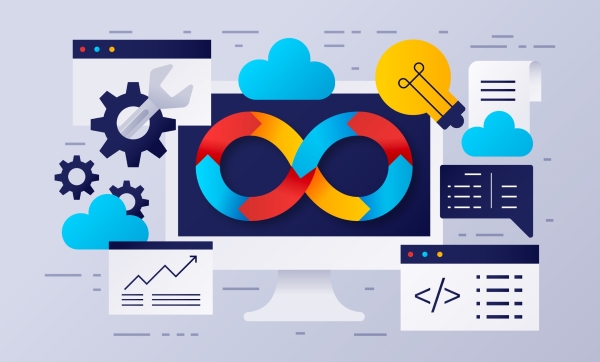
DevOps and Agile have revolutionized the world of product development by refocusing efforts on collaboration, customer feedback, and quick iteration. These methodologies have taken precedence in today's evolving market where swift response to change defines the line between product success and failure. Agile and DevOps are two sides of the same coin, they complement and amplify each another, powering a faster and more efficient product development cycle.
Understanding Agile and DevOps
Agile is a project management and product development strategy that is centered around iterative progress, team collaboration, and customer feedback. This strategy places a great emphasis on delivering functional products quickly and integrates customer feedback to fine-tune development.
On the other hand, DevOps signifies the merger of Development(Deployment) and Operations. It promotes a culture of collaboration between the traditionally siloed software development and IT operations teams. This joined team can now work together through the entire product lifecycle, from development to deployment, enabling quicker iterations and continuous delivery.
The Synergy between Agile and DevOps
The combination of Agile and DevOps creates a powerful synergy that enhances the speed and efficiency of product development. By integrating the strengths of both Agile and DevOps, companies can vastly accelerate their delivery cycle and better cater to the changing needs of customers.
Agile's iterative development philosophy combined with DevOps's focus on automation and continuous delivery creates a framework for rapid product development. This integrated approach allows for greater adaptability, responding better and faster to market changes and customer feedback.
How Agile and DevOps Fuel Rapid Product Development
Agile practices promote rapid development by focusing on collaborative problem solving, incremental progress, and constant feedback loops. Continuous development and testing in Agile makes sure that the end product is always ready for deployment, ensuring the fastest time-to-market possible.
"Continuous improvement, regular feedback and quick reaction to change are the backbone of Agile development."
DevOps takes this one step further by automating manual processes, integrating teams, and ensuring quick deployment. Continuous integration and Continuous delivery are defining aspects of DevOps and they enable rapid product development by radically reducing the release cycle duration. This automated pipeline facilitates faster iterations, reduces manual errors, and boosts deployment speed.
"DevOps is the bridge between development and operations, and it's the engine that powers rapid development."
Conclusion
Indeed, Agile and DevOps are revolutionizing the way products are being developed. They fuel rapid product development by fostering collaboration, promoting an iterative approach, employing automation, and shrinking feedback loops. Companies that adopt Agile and DevOps gain a significant advantage in the competitive market landscape, being able to respond swiftly and effectively to change, ultimately delivering better products at a faster pace.

A Piece of Comprehensive Decisive Information to Hire Remote Team of Developers
In the modern technologically-driven era, businesses across various industries are leveraging the power of software development. Whether it's creating an innovative mobile app, setting up an e-commerce platform, or developing a complex software solution. There is an ever-growing demand for skilled and experienced developers in the marketplace. Given this dynamic, many companies are looking to hire a remote team of developers. This article provides detailed information and insights into the key considerations for hiring a remote team of developers.
Benefits of a Remote Team of Developers
Before diving into the practical aspects of hiring a remote team, it's worth understanding the potential benefits that it offers. Given the global nature of the tech industry, the talent pool is equally distributed across the globe. This allows businesses to tap into diverse skill sets. Furthermore, it eliminates geographical constraints, therefore, expanding the pool of talent.
Hiring remote developers allows businesses to accommodate a flexible work schedule, resulting in improved productivity. It often results in lower operational costs also.
Steps to Hire Remote Team of Developers
The following detailed steps will help businesses successfully hire a competent and efficient remote team of developers:
Identifying the Project Requirements
Identifying and outlining the project requirements is the first and foremost step in hiring a remote team of developers. Clearly define the goals, deliverables, technical skill set required, and project duration.
Shortlisting candidates based on Experience and Tech Stack
When shortlisting developers, it's crucial to evaluate their experience, past work, expertise in the required tech stack, and their contribution to past projects.
Conduct Technical Tests & Interviews
A technical test is a reliable way to assess a potential candidate’s technical competence and problem-solving skills. The interviews can provide insights into the candidate’s soft skills, work ethics, and professionalism.
Define KPIs and Expectations
It's vital to define Key Performance Indicators (KPIs) and set clear expectations regarding project timelines, deliverables, communication tools, and work hours.
Best Practices for Managing a Remote Team of Developers
Here are a few best practices to effectively manage a remote team of developers:
Adopt Agile Methodologies
Agile methodologies facilitate better coordination, promote teamwork, and ensure on-time project delivery. They foster a culture of continuous improvement within the team.
Regular Communication
Regular and clear communication is key to managing a remote team. This ensures everyone stays on the same page and helps to proactively address any challenges.
Invest in the Right Tools
Investing in the right project management, communication, and development tools can streamline the workflows and increase productivity.
Encourage Continuous Learning and Development
Encouraging the team to upskill and reskill helps in professional growth and ensures that they stay updated with the latest tech trends.
Building a successful remote development team is a structured and careful process that ultimately results in a workforce that’s competent, diverse, and efficient. It not only provides scalability to your business but also provides access to global talent.
For custom software development, visit us at Zee Palm
For free premium front-end flutter kits, visit Flutter Coded Templates
Check out free Flutter Components, visit Flutter Components Library

Choosing the Right BI Tools for Businesses: Key Considerations and Insights
Business Intelligence (BI) tools play an indispensable role in transforming large volumes of raw data into actionable information for businesses. The appropriate BI tools can provide an edge to your organization, boosting efficiency, reducing operating costs, uncovering new revenue opportunities, and driving informed decision-making processes. However, the task of selecting the right BI tool is not straightforward given the multitude of options available in the market today. This article seeks to help streamline your decision-making process by outlining some key considerations and insights to choosing the right BI tool for your business.
Understanding Your Business Requirements
Before beginning your search for a BI tool, you first need to understand and outline your business needs and requirements. You need to answer to questions like: What problems does your company need to solve? What types of data analysis will be required, and how complex will these be? By thoroughly understanding your business requirements, you can more effectively match these to the capabilities of various BI tools.
Integration With Existing Systems
A BI tool should easily integrate with your existing data systems like the CRM or ERP. You do not want to waste time and resources on a complex installation process or face difficulties in integrating the new BI tool with existing software packages. Ease and simplicity should be your guide in this regard.
"The best BI tools embed themselves seamlessly into a company's existing business processes rather than forcing the company to adapt."
User-Friendly Interface
Modern BI tools should have an intuitive and user-friendly interface. They should enable users to perform their tasks with minimal training, allowing even non-technical users to generate, analyze, and distribute reports. Design aesthetics combined with functionality should be on your checklist considering how often these tools will be accessed by your staff.
Data Security
Given that BI tools handle sensitive company data, you need a tool that prioritizes data security. Typically, this involves advanced features like data encryption, user authentication, and permission settings. A compromise on security can be a costly affair, both financially and in terms of your company's reputation.
Scalability
A good BI tool should scale as your company grows. It should be able to handle increasing amounts of data and users without significant performance degradation or additional expense. Consider tools that are elastic and scalable, to avoid having to invest again in a new system down the road.
Real-Time Analysis and Reporting
In today's rapidly evolving business environment, having real-time insights is a massive bonus. Therefore, your chosen BI tool should be capable of analyzing and reporting data in real time. This dynamic analysis will empower your team to make more informed and timely decisions.
Vendor Support
Critical to any software solution is the service and support from its vendor. The vendor should offer robust support during the implementation stage and ongoing. They should also provide training resources and be readily available to assist when problems arise.
Flexibility and Customization
Your business is unique, and so are your BI needs. The chosen tool should have customization options that allow you to generate reports, dashboards that fit your company's needs. A flexible BI tool will adapt to your business rather than forcing your business to adapt to it.
Price
Last but not least, price is a significant consideration in choosing a BI tool. The chosen tool should provide a good return on investment (ROI). Remember that the most expensive tools are not necessarily the best. Aim for a balance between cost, features and business value.
"Choosing the right BI tool is an investment in your company's future. It's a decision that should be made carefully, taking into consideration not only the current needs but also the potential growth and evolution of your business."
In conclusion if you marry these considerations with a thorough trial and testing phase you will be on your way to selecting the most suitable BI tool for your business. Not only will the right tool streamline operations, but it will also yield actionable insights, guide decision-making, and ultimately drive business success.
Remember, a goal without a plan is merely a wish. So, define your requirements, plan your approach, and move forward with clarity and confidence.
For custom software development, visit us at Zee Palm
For free premium front-end flutter kits, visit Flutter Coded Templates
Check out free Flutter Components, visit Flutter Components Library

Top 12 Chatbots for Website: Boosting Customer Experience and Sales
In today's digitally-driven business landscape, chatbots are becoming a vital tool for enhancing customer experience and sales. They offer numerous advantages like 24/7 availability, instant responses, and automated data collection. Below, we delve into 12 of the top chatbots that can be integrated into your website to significantly boost customer experience and sales.
1. Aivo
Aivo offers a customer service bot powered by AI to provide real-time responses.
2. Bold360
This chatbot uses AI and machine learning to provide personalized customer interactions.
3. Chatfuel
Chatfuel is user-friendly and provides AI chatbots for Facebook Messengers.
4. ChatterOn
With an array of customizable pre-built bots and templates, ChatterOn provides businesses with customized AI chatbots.
5. Drift
This tool offers targeted messaging for customers, along with sales assistance through AI chatbots.
6. ItsAlive
ItsAlive offers Facebook Messenger Bot-building capabilities for businesses looking to improve their consumer engagement.
7. LivePerson
LivePerson's AI-based conversational bot offers real-time advice for product and purchase decisions.
8. MobileMonkey
This chatbot tool allows businesses to engage their customers across multiple platforms including Facebook Messenger, web chat, and SMS.
9. Pandorabots
Pandorabots offers open-source and customizable chatbot solutions for businesses.
10. PureChat
This live chat and support software offers seamless integrations with multiple popular business tools.
11. ManyChat
ManyChat provides customizable and visual chatbot building services for Facebook Messenger and websites.
12. Tars
Tars is a chatbot builder providing automated PPC ad assistance.
In conclusion, using a chatbot for your website can significantly optimize your customer experience and sales. Choose a chatbot that fits your business needs and watch your customer interaction and bottom line grow.

Full-Cycle Software Development for Fintech
The paradigm shift continues to transform industries from the conventional methodologies to digitization with Fintech leading the way. Fintech is the disruptive driving force that is integrating technology into the financial sector and at its core is the full-cycle software development methodology.
Understanding Full-Cycle Software Development
Full-cycle software development covers every phase of the software production process, from requirement gathering and analysis to software development and testing. In contrast to fragmented coding practices, this approach prompts developers to view a project as a coherent whole.
Why Full-Cycle Software Development for Fintech?
Given the highly competitive and regulated nature of the financial sector, full-cycle development is not just a preference but a necessity. To deliver efficient services while ensuring regulatory compliance; fintech requires an all-encompassing, error-free and efficient approach to their software.
The Full-Cycle Software Development Stages in Fintech
Each stage is indispensable and all the stages are inter-related, impacting each other progressively. Here are the typical stages:
1. Requirements Gathering
The primary stage involves thorough client consultations to map out the software requirements. This stage largely dictates the cost, duration, and success of the project.
2. Analysis
Here, the developers dissect the data gathered and expound further on the client's needs. They analyze the technology stacks and tools that align with the client's vision and offer the highest efficiency.
3. Design
This stage involves creating the software architecture. Factors like error correction, risk mitigation and responsiveness are taken into account.
4. Implementation
Here, coding is done to transform the design into a functional software. In fintech, programming languages like Python and Java are often favored because of their simplicity and robustness respectively.
5. Integration and Testing
A full-cycle software development methodology doesn't stop at coding. The software has to be integrated into the existing systems and thoroughly tested for bugs and compatibility issues. In fintech, data integrity is non-negotiable, thus rigorous testing is mandatory.
6. Deployment
After the developers have ascertained that the software is defect-free and fits into the systems perfectly, it is then released for live operation.
7. Maintenance
This is the phase where monitoring the software's performance post the deployment takes place. Ensuring its functionality and taking appropriate regular updates or changes is critical.
Benefits of Full-Cycle Development in Fintech
Quality Assurance, Reduced Risk, Cost-Effectiveness, Consistent Support, and Business-Centricity are some benefits that fintech enjoys by adopting the full-cycle development methodology.
Challenges and Solutions
The full-cycle software development methodology faces hurdles like reaching a common understanding between clients and developers about project objectives and requirement gathering. These issues can be mitigated with better communication, clear roadmap, and detailed project documentation.
Conclusion
Full-cycle software development anchors fintech by enabling the delivery of comprehensive financial products that are secure, efficient, and regulation-compliant. It assures clients of quality and reduces systemic faults that can erode trust. Despite few challenges, the benefits of this approach far outweighs them, making it the future of software development in fintech.
For custom software development, visit us at Zee Palm
For free premium front-end flutter kits, visit Flutter Coded Templates
Check out free Flutter Components, visit Flutter Components Library

Top 10 Web Application Ideas for a Successful Online Business
1. E-commerce Marketplace
In the age of technology, online shopping has become the norm. Developing a robust, user-friendly e-commerce platform could be the key to a prosperous online business. This web application idea not only presents you with an opportunity to reach millions of shoppers geographically scattered but also lets you operate 24/7, improving your sales and profits.
Furthermore, integrating AI and machine learning can add massive value to your platform by facilitating personalized experiences and data-backed inventory management.
2. Custom Travel Planning
Creating a web application that allows users to create customizable travel plans can be a huge hit. Given the surge of wanderlust-driven millennials, a travel planning platform packed with features like budget calculators, location-specific recommendations, and itinerary creation could cater to a massive market demand.
3. Virtual Learning Platform
The education sector has massively shifted online, displaying a growing demand for comprehensive virtual learning platforms. By incorporating features like live classes, community forums, diverse course offerings, and progress tracking, you could develop a web application cherished by learners and educators alike.
4. Health and Wellness App
An online platform that provides fitness guidance, diet plans, and mental wellness tips can be a boon for health-conscious individuals. The app could feature personalized workout routines, meal plans, mental wellness exercises, progress tracking, and even connect users with professional trainers and nutritionists.
5. Job Portal
Building a comprehensive job portal where employers and job seekers can connect is a worthwhile idea. Recruiters could post job vacancies, and job seekers could apply by uploading their CVs on your platform. Implementing features like job alerts, company reviews, and blog sections for career advice could further enhance your application's usability.
Modern AI-backed job portals can also offer automated job matching and skill assessment, adding incredible value to the recruitment process.
6. Food Delivery App
An all-in-one food delivery app that connects users with local restaurants can be a successful online business. This platform could allow users to explore menus, place orders, make online payments and track their order in real-time.
7. Social Networking Site
Though the market is saturated, a unique social networking site catering to a specific niche can still do wonders. Whether it's a platform dedicated to book lovers, pet owners, or environmental activists, there is still an ample scope for unique social networking apps.
8. Budgeting and Personal Finance App
With increasing financial awareness, apps offering budgeting features and personal finance tips are in high demand. By offering features like expense tracking, saving goals, and investment advice, your web application could serve a large user base.
9. Online Consulting
A platform connecting users with professionals from different fields for online consultation could be a thriving online business. Be it health, law, education, or home decor; users can seek expert advice without leaving their homes.
10. Online Gaming Platform
The gaming industry is booming. An online gaming platform offering a variety of engaging games could attract a massive audience. Ensure to incorporate features like multiplayer mode, worldwide tournaments, and reward systems to keep your users engaged.
When developing a web application, make sure to conduct comprehensive market research, identify your target audience, understand their needs, and monitor market trends. Tailoring your app according to user preferences could help you stand out amidst competition and fuel your online business's growth.
No matter which web application idea you choose, the key to a successful online business lies in providing value to your users. Prioritize user-friendliness and constantly seek feedback to make your application better.
For custom software development, visit us at Zee Palm
For free premium front-end flutter kits, visit Flutter Coded Templates
Check out free Flutter Components, visit Flutter Components Library

Best Blockchain Platforms
The advent of blockchain technology has initiated a new era of decentralized applications. As a rapidly evolving sector, numerous platforms have emerged, each with unique features capable of transforming different sectors of the economy. This article outlines some of the best blockchain platforms that are driving this transition into a decentralized future.
Ethereum
Launched in 2015, Ethereum is indisputably one of the largest and most renowned blockchain platforms. Initiated by a then 19-year-old Vitalik Buterin, Ethereum introduced the concept of smart contracts - self-executing contracts with the terms agreement directly written into the code. This innovation opened up a new realm of possibilities enabling decentralized applications (DApps) and giving birth to the ritual of initial coin offerings (ICOs).
Bitcoin
As the pioneer of blockchain technology, Bitcoin is recognized as the first platform that made the world aware of the concept of decentralized digital assets. The proposal of Satoshi Nakamoto in 2008 led not only to the first cryptocurrency, Bitcoin, but laid the foundation for the subsequent development of a wide spectrum of blockchain ventures. Bitcoin continues to hold critical influence in the blockchain and crypto world.
Ripple
"Ripple's XRP technology is not only a cryptocurrency but it also an advanced open-source protocol designed for value transfer."
Ripple provides an efficient digital payment protocol for financial transactions. The platform's main emphasis is on enabling real-time, direct transfers of money between two parties, a feature that sets it apart from most other blockchains.
EOS
EOS stands out for its advanced blockchain architecture capable of supporting a wide range of commercial-scale DApps. Unlike Ethereum which charges for each computation, EOS enables developers to use resources in proportion to their stake without the need for consumption fees.
Cardano
Cardano's methodology is scientific and peer-reviewed. This 'third generation' blockchain has introduced innovative features, such as sidechains and a multi-layer protocol, that separate the ledger from the computation. This facilitates greater flexibility and scalability.
IOTA
IOTA departs from the traditional blockchain design through its employment of a block-less distributed ledger. This unique architecture enables various features, like zero-cost transactions and infinite scalability, making it particularly suitable for the Internet of Things (IoT).
Polkadot
Polkadot's multi-chain technology provides unprecedented connectivity, enabling multiple blockchains to interact and share information. Such interoperability delivers better scalability and creates niches for specialized branches of services.
Tezos
"Tezos features a self-amending crypto-ledger and on-chain governance, solving the thorny issue of hard forks."
The implementation of sophisticated protocols and secure smart contracts set Tezos apart, making it a prominent platform within the blockchain sphere.
Each blockchain platform has its unique aspects and potential use-cases. The 'best' platform depends on the specific requirements of the project, as no one size fits all. Whether it is Ethereum's versatile smart contracts, Bitcoin's robust security, Ripple's real-time transactions, or IOTA's infinite scalability, the best blockchain platform is relative, based on the needs it serves.
Blockchain is a horizon-broadening innovation that is rapidly gaining traction and acceptance across diverse sectors. As the technology continues to evolve, these platforms continue to exceed the limits of what many thought possible, marking just the beginning of a blockchain-powered future.
For custom software development, visit us at Zee Palm
For free premium front-end flutter kits, visit Flutter Coded Templates
Check out free Flutter Components, visit Flutter Components Library

Software Development Using Automation Tools: Enhancing Efficiency
Software development has always been a complex and intricate process. In today's fast-paced world, it requires a continuous approach to development, testing, and feedback. Software development automation tools play an integral role in this process as they can significantly expedite the development process, reducing manual effort, improving software quality, and increasing overall productivity.
The Importance of Automation in Software Development
Automation in software development is not merely a trend. It's an ongoing transformation that can bring various benefits to the organization.
Automating repetitive tasks helps reduce the risk of human error and increase efficiency. It offers a structured approach to software development, assuring that every task follows a systematic process. Furthermore, automation tools can aid in identifying bugs and code imperfections in the early stages, reducing the risk of any potential malfunction in the future.
Key Benefits of Using Automation Tools
Automation tools in software development can significantly enhance efficiency in numerous ways:
1. Reducing Time-to-Market
One of the critical benefits of automating software development is that it speeds up the process. Tasks that would take hours to complete manually can be accomplished in a matter of seconds or minutes with automation.
2. Enhancing Software Quality
Through automation, developers can quickly identify bugs or potential performance concerns before they become a problem. This results in high-quality software that adheres to industry standards and customer expectations.
3. Improving Consistency
Automated software development ensures consistency across all tasks and programs. Each code follows a uniform pattern set by the automation tools, minimizing the risks of errors or discrepancies.
Common Automation Tools in Software Development
The world of automation is vast and continuously evolving, with a tool available for almost every aspect of software development. Here are a few popular automation tools:
Jenkins
A leading open-source automation server that provides hundreds of plugins for software development, testing, and deployment.
Selenium
A powerful testing suite for web applications. Selenium provides an easy-to-use interface for building automated scripts for web development tasks.
Git
An extensive system used for tracking and managing software development changes over time. Git is versatile and can accommodate any development methodology.
The Future of Automation in Software Development
As we continue to advance, automation will increasingly become an essential component in software development. It will not only simplify tasks but will also catalyze innovation and development speed.
The potential of automation in software development is vast, and we're only scratching the surface. In an area where speed, efficiency, and precision are of utmost importance, automated tools are poised to drive progress in ways unimaginable today.

Top 5 Cases to Prove the Benefits of Flutter App Development
For several years now, the Flutter framework has been causing waves in the world of app development. Engineered by Google, Flutter is renowned for its immense potential in creating sophisticated cross-platform applications with ease, efficiency, and speed. Let's delve into five compelling case studies that highlight the advantages of Flutter app development.
1. Alibaba
Alibaba, the multinational conglomerate specializing in e-commerce, was one of the early adopters of Flutter, integrating it with success into their app. They wanted a solution to seamlessly create an engaging experience for their iOS and Android users, and Flutter's cross-platform development approach was the perfect fit.
With Flutter, Alibaba was able to build high-quality, high-performance applications with a visually appealing interface. By opting for Flutter, the e-commerce giant reported improved productivity and faster time-to-market, critical benefits for any business aiming to be an industry leader.
2. Reflectly
Reflectly, a personal journal and mindfulness app, adopted Flutter to tackle a key challenge: developing an app independent of a specific platform quickly. As a startup, Reflectly aimed to minimize the cost and time of app development but didn't compromise on the UI/UX quality.
Using Flutter, Reflectly radically redesigned its app with an appealing layout for an immersive user experience across platforms. The team unanimously acknowledged the fast development cycle and the expressive UI potential of Flutter.
3. Google Ads
Even Google utilized its software, Flutter, when developing the Google Ads app. Its primary function is to monitor ad performances and make suggestions for improvements. A smooth and intuitive interface was essential for users to navigate through complex data and metrics easily.
Building with Flutter enabled Google to create an app that provided a consistent user experience on both Android and iOS platforms. This case highlights how the Flutter framework can be deployed to tackle intricate details and capture nuanced business logic.
4. Hamilton Musical
Hamilton Musical, a broadway smash hit, turned to Flutter when looking for a fast, reliable and seamless solution for app development that could satisfy millions of fans on both iOS and Android platforms.
Using Flutter, the development team was able to create an app with rich features within three months, an impressive feat by industry standards. Acknowledged a "beautiful" development experience by the team, Flutter validated its promises in real-world application.
5. Xianyu by Alibaba
Xianyu, another sub-application from Alibaba, builds a strong case for Flutter. With over 50 million users, this application for second-hand transactions aimed at maintaining easy navigation and consistent look and feel on both platforms.
With Flutter's hot-reload capability, Xianyu improved productivity and faster turnaround times with ease in debugging. This case underscores Flutter's scalability for apps with a large user base.
Conclusion
These five case studies prove undeniably that Flutter's potential in app development is yet to be fully realized. Its ability to deliver high quality, cross-platform applications with slick user interfaces and high performance provides businesses with a compelling reason to opt for this framework. As more and more companies continue to reap the benefits of adopting Flutter, its future seems profoundly promising in the world of app development.

Top Augmented Reality Trends to Look Out for in the Tech Industry
The world of technology is in a constant state of rapid innovation and evolution. One of the cutting-edge trends that have emerged in recent years is Augmented Reality (AR). AR overlays computer-generated virtual content in the real world, enhancing the user's perception and interaction with reality. This article intends to shed light on the notable AR trends in the tech industry that we should look out for.
Enhanced Interactive Training
Augmented reality is rewriting the protocols of training and education in various sectors. Whether in medical, mechanical, or even military training exercises, AR provides a safe and controlled environment that adequately prepares trainees for real-life situations.
"AR provides a safe and controlled environment that adequately prepares trainees for real-life situations."
AR in Mobile Applications
The proliferation of AR in mobile apps has been remarkable, especially in online shopping apps. Virtual try-on features offer an immersive, personalized shopping experience. This not only improves customer engagement but also potentially boosts sales.
Social AR
The wave of AR has also hit the social media industry, with platforms like Instagram and Snapchat already incorporating AR filters. In the upcoming years, we can expect more social platforms integrating AR tools to enrich user experiences.
AR in Healthcare
The healthcare industry is leveraging AR to improve patient outcomes. AR technology provides surgeons with 3D anatomical visualizations which enable precise and minimally invasive procedures. Similarly, AR aids in patient education, providing a clear understanding of treatments through visual interpretations.
"AR technology provides surgeons with 3D anatomical visualizations which enable precise and minimally invasive procedures."
AR in Indoor Navigation
Indoor navigation is another area where AR is making significant strides. Companies are deploying AR-based navigation solutions in large venues like shopping malls, airports, or hospitals. This assists visitors in finding their way around complex buildings with ease.
AR in Gaming
The gaming industry has been revolutionized by the introduction of AR. Games like Pokémon Go and Ingress Prime have offered gamers a fun, interactive experience by blending the virtual and real worlds. This trend is likely to continue growing in the future.
"Games like Pokémon Go and Ingress Prime have offered gamers a fun, interactive experience by blending the virtual and real worlds."
AR holds tremendous potential for transforming multiple sectors, from education and healthcare to retail and social media. The new take-home point is to embrace this technological marvel and harness its potential to drive progress and improvements in our daily lives. This is what makes the future of augmented reality so exciting.

Healthcare Technology Trends
Healthcare technology, also known as HealthTech, is a rapidly growing field that uses technology to improve the delivery and use of healthcare services. It encompasses a wide range of products, services, and technological systems designed to streamline workflow, increase patient participation, and improve overall health outcomes.
The Rise of Telemedicine
Telemedicine has been one of the most significant technology trends in healthcare recently, particularly bolstered by the COVID-19 pandemic. Through telemedicine, healthcare providers can offer clinical services remotely, allowing patients to receive care from the comfort of their homes.
According to a report by McKinsey, telemedicine has seen a 38-fold increase since pre-COVID times and is expected to become the new standard of care.
Artificial Intelligence (AI) in Healthcare
AI is another significant healthcare technology trend that is poised to revolutionize various aspects of healthcare. From data analysis to patient care, AI has numerous applications that can enhance the delivery of healthcare services.
A PWC report suggests the global market for AI in healthcare is expected to reach $36.1 billion by 2025.
Blockchain in Healthcare
Blockchain technology holds enormous potential in healthcare for maintaining patient records, drug traceability, and improving the overall efficiency and transparency of processes. Blockchain's decentralized system can enable secure, seamless, and quick transfer of patient data among stakeholders.
According to a report by BIS Research, the global blockchain in the healthcare market is predicted to reach $5.61 billion by 2025.
Internet of Things (IoT) in Healthcare
The Internet of Things (IoT) in healthcare, or the Internet of Medical Things, consists of interconnected medical devices that communicate with each other. This seamless communication allows for remote patient monitoring, personalized medicine, and early disease detection.
Markets and Markets report suggests the global IoT healthcare market is estimated to reach $188.2 billion by 2025.
Wearable Technology
Wearables, such as fitness trackers and smartwatches, enable health monitoring in real-time, thereby offering valuable data to both individuals and healthcare providers. Increasing demand for personalized healthcare has placed wearable technology at the forefront of healthcare technology trends.
A report by Grand View Research indicates the global Wearable Technology market size is expected to reach $62.82 billion by 2025.
Conclusion
The above trends are just the tip of the iceberg. The intersection of technology and healthcare promises immense opportunities for creating efficient, patient-centric, and accessible healthcare systems worldwide. Although the implementation of these technologies presents challenges, the benefits they offer cannot be overlooked — from empowering patients to democratizing healthcare access, these trends are here to redefine the future of healthcare.

Why Investing in Healthcare Application Development Is Good: A Strategic Overview
The healthcare sector is undergoing a significant transformation as it shifts towards a digital age, and key to this are healthcare applications. These applications give patients the ability to monitor their health and wellness, schedule medical appointments, and consult with healthcare professionals without the need for physical visits to the clinic or hospital.
The Rising Demand for Healthcare Applications
There is currently a substantial demand for healthcare applications. This does not come as a surprise as, according to a study, the global healthcare app development market will witness growth at a rate of around 18.4% over the predicted period of 2020-2027. This development can be attributed to the rise in adoption of mobile technologies, the increased awareness and focus on healthy living, and the convenience these applications offer to patients and healthcare providers.
Investing in Healthcare Application Development: Strategic Advantages
Investing in healthcare application development is not just about keeping up with trends; it also provides strategic advantages, which are explored in the following sections.
Increased Accessibility and Convenience
"Providing healthcare services through mobile applications can help medical professionals reach out to their patients anytime, anywhere. This ensures that patients receive the medical attention they need without the need to spend time and resources to travel to healthcare facilities."
Better Patient-Doctor Relationships
The use of healthcare applications allows for a more personal doctor-patient relationship. These apps provide a platform for seamless communication, enabling doctors to track their patients' health progress and patients to contact their health providers when they have concerns.
Improved Efficiency and Productivity
Healthcare applications greatly help in streamlining the workflow in healthcare facilities. With the use of these apps, medical staff can easily manage patient information, quickly access medical histories, send prescriptions to pharmacies, and many more. This not only reduces delays but more importantly, promotes better patient care.
The Future of Healthcare
Investing in healthcare app development is a strategic move for businesses seeking to penetrate the healthcare industry. As technology evolves and the population increasingly embraces the digital shift, these healthcare applications will continue to proliferate and play a crucial role in the future of healthcare.
Conclusion
Given the immense potential and benefits that healthcare applications offer, investment in healthcare app development is critical. It provides a strategic advantage that can transform the healthcare delivery system, ultimately leading to accessible, efficient, and quality care.
"As an investor, venturing into healthcare application development can lead to significant returns considering its growing demand and potential for innovation. More than that, it can contribute to the improvement of healthcare services, benefiting society at large."

Fintech Trends: What Drives the Industry in 2024
Financial technology, commonly known as Fintech, has rapidly evolved over the past decade, revolutionizing the global financial services industry. As digital disruption continues to redefine the sector, 2024 heralds a wave of innovative fintech trends that are poised to continue driving the industry. This article explores these game-changing developments and their implications for businesses and consumers alike.
Artificial Intelligence (AI) and Machine Learning (ML)
AI and ML have been game changers in the fintech industry, leveraging vast amounts of data to streamline processes, enhance customer experiences, and mitigate risks. In 2024, we anticipate an even more sophisticated harnessing of AI and ML capabilities in fintech applications such as predictive analytics, risk assessment, fraud detection, and investment planning.
"AI and ML are driving a new era in financial services, propelling fintech companies to understand consumer behaviors, predict market trends, and deliver customized solutions at an unprecedented scale."
Blockchain Technology
Blockchain remains a potent force in fintech, providing secure, decentralized, and transparent methods for financial transactions. By 2024, its application is expected to extend beyond cryptocurrencies to areas such as smart contracts, secure sharing of customer data, and identity verification.
"Blockchain technology is revolutionizing fintech by introducing new, secure methods of conducting transactions and sharing information, fostering greater trust among users."
Open Banking
2024 will also see the continued rise of open banking – a practice that allows third-party developers to build applications around financial institutions. Open banking encourages a more competitive and inclusive financial services market while delivering improved consumer-driven solutions.
"With open banking, fintech companies can create sophisticated platforms that integrate different financial services, creating an all-in-one solution for consumers."
Mobile Payments
The proliferation of mobile devices has been a major tailwind for the growth of mobile payments. By 2024, more consumers are likely to embrace this technology due to its convenience and security, pushing more fintech companies to develop innovative mobile payment solutions.
"Mobile payments are redefining commerce, making transactions effortless and providing increased security, which are attractive for both businesses and consumers."
RegTech
Regulatory Technology (RegTech) aims to streamline the regulatory processes within the financial sector. As fintech expands its horizons, the need for efficient regulation and compliance is vital. By 2024, growth in the RegTech industry is supposed to keep fintech companies aligned with regulatory requirements efficiently.
"RegTech simplifies the compliance journey for fintech companies, offering digital solutions to meet stringent regulatory frameworks effectively."
In conclusion, the fintech landscape in 2024 will largely be shaped by AI and ML, blockchain technology, open banking, mobile payments, and RegTech. These innovative trends are set to redefine the sector's trajectory, offering exciting opportunities for fintech companies while delivering greater convenience, enhanced security, and tailored financial solutions for consumers. The future certainly looks promising for the fintech industry.</p>

Building a Flutter Program Management Team
The success of any project hinges heavily on the effectiveness of the team behind it. This statement is particularly true for Flutter projects, given the unique nature of the technology. To achieve the desired results, building a team with the appropriate blend of skills, experience, and attitude is critical. This article provides in-depth insights into how to build a stellar Flutter Program Management Team.
Understanding Flutter and its Significance
Before delving into the team components, let's first understand what Flutter is and why it is essential in the current technological landscape. An open-source UI toolkit, Flutter, is renowned for creating natively compiled applications for mobile, web, and desktop with a singular codebase. It is the brainchild of Google and has gained considerable traction among developers for its efficient and versatile features.
The Need for a Flutter Program Management Team
Given the vast potentiality of Flutter, it is evident that leveraging this technology requires adept handling. This is where a Flutter Program Management Team comes into the picture. The team essentially assures that the various elements of a Flutter project work harmoniously to translate a concept into a fully functional, efficient, and aesthetically pleasing application.
Key Roles in a Flutter Program Management Team
A successful Flutter Program Management team comprises a set of key roles. Assembling this team requires identifying individuals who not only have the necessary technical skills but also the ability to collaborate, innovate, and adapt.
Remember, diversity in a team can foster creativity, fuel innovation and provide a broader range of skills. A successful Flutter program management team should ideally consist of the following key roles:
Flutter Program Manager
At the helm of the team is the Flutter Program Manager. This individual responsibility lies in strategizing, overseeing, and coordinating the various aspects of the program. Apart from exhibiting exceptional leadership skills, the Flutter Program Manager should possess a sound understanding of Flutter and its applications.
Flutter Developers
Flutter Developers form the backbone of the team. The developers are primarily tasked with coding, debugging, and testing the application. They need to be highly skilled in Dart, the programming language of Flutter, and have a keen eye for detail.
UI/UX Designers
UI/UX designers play a crucial role in enhancing the application's user-friendliness and aesthetic appeal. Their primary responsibility is to design intuitive and visually appealing user interface designs for the Flutter application.
QA Testers
QA testers ensure the final product is bug-free and performs optimally. They employ various testing methodologies to identify and fix potential problems.
Building the Team
Building a well-rounded and effective Flutter Program Management Team is a process that demands diligent planning. This process includes identifying the roles required, sourcing for the talent, conducting interviews or trials, and finally, building a culture of collaboration.
Final Thoughts
To sum it up, building a Flutter Program Management Team may seem like a daunting task. However, with the right approach and mindset, this can be a rewarding endeavor. Remember, the golden key lies in not only sourcing for the skills but also cultivating a constructive and innovative team culture.

Top 5 E-commerce Platforms to Launch an Online Store & Rocket Up Sales!
When it comes to starting an online store, choosing the best e-commerce platform is crucial. It not only affects the look and functionality of your online shop, but also its success. Today, there are a plethora of e-commerce platforms available, each boasting its unique features. But how do you decipher which one is the best fit for your online store? Here, we have selected the top 5 e-commerce platforms to help you make an informed decision.
1. Shopify
Shopify is a go-to e-commerce platform for many. With its user-friendly interface, it provides an easy way for merchants to sell products without having to deal with the technical aspect of website development. It offers multiple templates and perfect for those who aim for a quick launch.
"Shopify is best for beginners to advanced store owners who want an all-in-one solution."
2. Magento
Magento is a flexible open-source e-commerce solution with a high degree of customization. Designed for large businesses, it offers advanced SEO, customizable security permissions, and thousands of plugins. The ability to handle complex product options makes Magento a solid choice for those needing an enterprise solution.
"Magento is perfect for medium to large enterprises, looking for advanced features."
3. WooCommerce
As a WordPress plugin, WooCommerce is an excellent choice for brands having content marketing at the core of their strategy. It offers flexibility and control over a store's look and feel. In addition, as a free plugin, it’s a cost-effective choice for smaller businesses or startups, although additional costs may be incurred via addons.
"WooCommerce is best for Small to large-sized online merchants using WordPress."
4. BigCommerce
BigCommerce, which comes with a variety of built-in features and tools, offers a perfect blend of advanced functionality and ease of use. It's capable of supporting businesses of all sizes, from startups to large enterprises. It also supports various currencies, making it an ideal choice for global businesses.
"BigCommerce is great for businesses of all sizes, looking for a cloud-based solution."
5. Wix
Wix is another user-friendly platform that is ideal for beginners. With an intuitive drag-and-drop site builder and a range of attractive templates, creating a professional-looking shop is relatively simple, even with no coding experience. Moreover, Wix offers competitive pricing plans, making it an affordable choice for small businesses.
"Wix is suitable for beginners and small businesses with a minimal budget."
In conclusion, the most suitable e-commerce platform to launch an online store largely depends on your specific needs and resources. Before choosing, consider aspects such as your tech skills, budget, SEO needs, design preferences, and more. Ignite your online sales with these top platforms - your high-rocketing success awaits!

Object Detection from Image and Video Using HSV Color Space
Object detection is a computer technology related to image processing that deals with detecting instances of semantic objects of a certain class in digital images and videos. In the field of computer vision, the notion of color plays a quintessential role. Colors provide important information that can be used for applications like object detection, image segmentation, and scene understanding.
The HSV (Hue, Saturation, Value) color space has unique properties that make it extremely useful for object detection. It is more aligned with the color perception of the human visual system as compared to other color spaces such as RGB (Red, Green, Blue). HSV color space represents colors in a way that is intuitive to humans, as it splits color information (Hue) from lighting/shading (Saturation, Value).
Hue, Saturation, and Value Explained
Hue characterizes the dominant wavelength in a mixture of light waves. In simpler terms, hue corresponds to what humans have traditionally referred to as 'color'. Saturation, on the other hand, is the measure of the purity of a color. A color with high saturation will be a pure color while low saturation will appear more washed out or gray. Lastly, the value of a color is how light or dark the color is. High value equates to a light color, where no single hue dominates, and low value equates to a darker color.
Why Use HSV for Object Detection?
When detecting objects in an image or video, one of the challenges in using RGB is that it doesn't separate color information from luminance information. If illumination of the image changes, objects can appear as different colors. The advantage of the HSV color space is that it separates the color and brightness details, which allows an object to remain the same color regardless of changes in lighting or the amount of light reflecting off of it.
This is particularly useful in real-world applications where lighting conditions can vary drastically.
Object Detection: A Step-by-Step Process
The process starts by converting the items of interest in an image or video from the RGB color space to the HSV color space. This is followed by color segmentation, where a specific range of hue, saturation, and value are used to identify regions in an image or video where objects of interest are located.
Noise reduction techniques such as morphological operations (erosion and dilation) are usually applied to the segmented image to remove small objects or gaps. Finally, a bounding box can be drawn around each identified region, indicating detected objects.
Applications of Object Detection Using HSV
Object detection using HSV color space finds numerous applications in areas such as tracking objects in a video, image retrieval, navigation for autonomous vehicles, face detection in color images, and much more. It is used in many real-world scenarios ranging from computer vision in robotics to social media filters and beyond.
Conclusion
Despite the complexity and challenge, object detection in images and videos using the HSV color space proves to be a highly valuable technology in the computer vision domain. The application potential in a variety of industries and sectors is immense. By further developing and refining these technologies, we continue to close the gap between human and machine vision capabilities.

Develop a Language Learning App Like Duolingo: A Step-by-Step Guide
The phenomenal success of language learning apps like Duolingo has inspired many entrepreneurs to consider developing their own language learning applications. This guide will provide a step-by-step process to help you understand the complexities behind creating such an educational tool.
Step 1: Market Research
Before embarking on the development journey, you must perform comprehensive market research. Look at your potential competitors, understand their strengths and weaknesses, and identify gaps in the current offerings that your app could fill.
"Deep understanding of the market is a crucial first step towards creating a successful language learning app."
Step 2: Define Your Unique Value Proposition (UVP)
Your UVP sets your app apart from the competition. It could be a unique engagement model, a special language pairing, or other innovative features that are not currently offered by existing apps.
Step 3: Choose the Right Technology Stack
The technology stack you choose will play a crucial role in the performance, usability, and scalability of your app. The right technology stack depends on your app’s requirements, functionality, and the expertise of your development team.
Step 4: Design User-Centric UI/UX
A user-friendly design is crucial to keep learners engaged and coming back for more. The design should be intuitive and minimalist, with easy navigation and clear instructions.
"Your app's design can make or break the learning experience for your users."
Step 5: Develop Engaging Content
The heart of any language learning app is the educational content it provides. It should be fun, engaging and effective. Incorporate game elements, quizzes, visual aids, and other interactive content to enhance learning.
Step 6: Test Thoroughly
Ensure your app is fully functional and bug-free by conducting rigorous testing in various scenarios and devices.
Step 7: Launch and Market the App
Once the app is developed and tested, it's time to launch and market it. Leverage social media platforms, blogs, video sharing sites, and other digital channels for effective marketing.
Step 8: Collect Feedback and Continuously Improve
Post-launch, it is crucial to collect user feedback and continuously improve the app based on that feedback. Regular updates, added features, and an improved user experience will keep your users hooked.
"Continuous improvement based on user feedback is the key to a successful app."
To conclude, developing a language learning app like Duolingo involves detailed planning, focused development, and thorough testing. Following this step-by-step guide will help you navigate the process smoothly and increase your chances of success.

IT Staff Augmentation and Outsourcing: Key Considerations
When trying to stay competitive in today’s fast-paced and rapidly evolving tech industry, businesses need to be agile and adaptable. This often implies utilizing resources and expertise beyond their internal team. Consequently, two strategies have emerged as popular solutions: IT staff augmentation and outsourcing. Both approaches provide businesses with the ability to supplement their existing IT staff or to leverage external expertise. This article will explore both strategies, along with their key considerations.
Understanding IT Staff Augmentation
Staff augmentation is a strategy that enables businesses to hire top-level IT talent on a per-project basis. This model provides flexibility and allows companies to add or reduce their resources as per their changing needs. Staff augmentation could effectively fill in skill gaps, thereby helping organizations maintain their operations and drive growth.
Understanding IT Outsourcing
IT outsourcing involves partnering with external IT companies to manage certain technological operations. The third-party providers offer highly specialized skills that might be too expensive or impractical for a company to foster in-house. Outsourcing allows businesses to focus more closely on their core competencies and can offer cost-effective business solutions.
Key Considerations when Adopting These Strategies
While both IT staff augmentation and IT outsourcing have their unique advantages, they also present their own set of challenges. Therefore, it is important to consider a number of factors before adopting these strategies.
1. Cost
The cost of both staff augmentation and outsourcing varies and largely depends on the specific services required. It is necessary to analyze and compare the costs of hiring and maintaining an in-house team versus external service providers.
2. Core Competencies
If a project is closely aligned with a company’s core competencies, it may favor staff augmentation over outsourcing. However, for projects requiring specialized skills outside of a company’s core competencies, outsourcing might be the more fitting option.
3. Control Over Projects
With staff augmentation, companies retain complete control over their projects. With outsourcing, a certain amount of control is inevitably relinquished to the external provider, which can cause concerns about quality or timeliness.
4. Intellectual Property
Companies should consider the intellectual property (IP) implications of their projects. With staff augmentation, IP rights typically stay within the company. However, with outsourcing, one needs to ensure proper agreements are in place to protect IP rights.
5. Scalability
It's essential to consider the scalability of the project. If rapid scaling is required, outsourcing might provide quicker solutions. However, for long-term projects requiring steady growth, staff augmentation might be more effective.
In conclusion, the decision to use staff augmentation or outsourcing depends on a variety of factors. By considering these key points carefully, businesses can make an informed decision that best suits their needs and allows them to maximize their technological capabilities.
For custom software development, visit us at Zee Palm
To buy premium front-end flutter kits, visit Flutter Coded Templates
Check out free Flutter Components, visit Flutter Components Library

All About Digital Transformation: A Comprehensive Guide
Digital transformation is a trendy term that's been making the rounds in corporate circles for a few years. But what exactly does it mean? In essence, digital transformation refers to the incorporation of digital technology into diverse aspects of a business, fundamentally changing how operations are conducted and how value is delivered to customers. Far beyond mere digitization (which is simply transitioning from analog to digital), digital transformation is a strategic, all-encompassing overhaul.
What is digital transformation?
Digital transformation is not just about disruption or technology. It's about value, people, optimization and the capability to rapidly adapt when such is required through an intelligent use of technologies and information." - i-SCOOP
Digital transformation integrates digital technology into all areas of a business, fundamentally changing how you operate and deliver value to customers. It's also a cultural change that requires organizations to continually challenge the status quo, experiment, and get comfortable with failure.
How does digital transformation work?
SUCCESSFUL digital transformation doesn't happen overnight, and there’s no one-size-fits-all approach to navigating this journey. The driving forces behind the implementation may vary from one organization to the next, but the core principle remains: Utilizing digital tools to streamline operations, improve customer experiences, and leverage data insights for decision-making.
1. Customer experience
Customers have been equipped with powerful tools that provide them with unprecedented influence in terms of shaping brands and their reputations. As a result, improving the customer experience has become an integral part of digital transformations. This often entails leveraging cloud, mobile, social, and robust data analytics to deliver personalized, seamless, and context-aware customer experiences.
2. Operational processes
At the core of any successful digital transformation is the optimization of operational processes. This could involve utilizing big data, machine learning, and AI technologies to improve efficiency and productivity, reduce costs, and promote data-driven decision-making.
3. Business models
Lastly, digital transformation may involve a complete refurbishment of existing business models. The global digital revolution has given rise to new digital business models and strategies that were previously unimaginable, challenging established companies to re-examine their ways of doing business.
Challenges in digital transformation
It's not all smooth sailing, of course. The road to digital transformation is strewn with challenges. Some of them include lack of digitization strategy, shortage of digital talent, cumbersome legacy systems, and the inability to foster a digital culture. However, companies that embrace the challenge head-on, that view it an opportunity rather than a threat, will definitely have a competitive edge in today's global, digital-first business landscape.
Key takeaways
In conclusion, digital transformation is not a choice but a necessity for businesses to stay relevant in today's fast-paced, digital-first world. It is a comprehensive, integrated process that involves altering how a business operates, delivers value to its customers, optimizes its operations, and reshapes its business models. By leveraging technology, data, and a customer-centric approach, businesses can drive meaningful and lasting change.
"Digital transformation closes the gap between what digital customers already expect and what analog businesses actually deliver." - Klaus Schwab, Founder and Executive Chairman, World Economic Forum
For custom software development, visit us at Zee Palm
To buy premium front-end flutter kits, visit Flutter Coded Templates
Check out free Flutter Components, visit Flutter Components Library
Ready to Build Your Product, the Fast, AI-Optimized Way?
Let’s turn your idea into a high-performance product that launches faster and grows stronger.